How Can Physical Therapy Help to Avoid Surgery?

While surgery is sometimes the only way to treat a physical condition, the more conservative approach is to first try physical therapy. If physical therapy eliminates your pain or helps you heal from injury, there may be no need for surgery. And, if you do need to undergo surgery, pre-surgical physical therapy can often put you into better physical condition to withstand the surgery, and possibly help provide a better recovery outcome.

Surgery and Other Invasive Procedures Carry Risks

The fact is, anytime an invasive procedure is performed on a patient, there are risks. Although the exact risks often depend on the exact type of surgery you are having, here are just a few general risks surgery exposes you to:

·        Whenever your body is cut open, it exposes you to the possibility of infection

·        Bleeding problems can occur during surgery

·        Blood clots can be caused by surgery

·        Occasionally, complications from the anesthesia may occur if the patient has a reaction to   anesthesia drugs.

·        Anesthesia can cause aspiration, or breathing food or fluid into the lungs. This can be serious.

·        Anesthesia can cause elevated heart rate and blood pressure in some patients during surgery

Physical Therapy Benefits

Physical therapy has long been used as a conservative treatment before surgery is considered. Now, medical studies are showing that physical therapy can sometimes be as effective as surgery:

·        Studies have shown that physical therapy can be as effective as surgery in providing pain relief for some lower back conditions, such as spinal stenosis.

·        The New England Journal of Medicine published a study that found physical therapy to be as effective as surgery for treating meniscal tears and knee osteoarthritis.

·        A study conducted at Thomas Jefferson University Hospital found that patients with degenerative disk disease responded as well to physical therapy as to surgery.

·        Physical Therapy has been found to successfully treat patients suffering from carpal tunnel syndrome

As more studies are completed, many doctors believe physical therapy may provide a non-invasive method of treatment for many patients, allowing them to avoid surgery.

Physical Therapy Helps Your Body Heal Itself

Our bodies are designed to heal themselves of certain conditions, given the proper treatment options and nutrition. Surgery should rarely be the only treatment offered, unless it is an emergency situation.

Doctors are recognizing that physical therapy treatment plans are effectively helping their patients. Part of this is because treatment plans can be custom-designed for the patient’s individual goals, needs, and challenges.

As researchers discover the positive impact of physical therapy on patients’ conditions, instead of undergoing surgery, more doctors are recommending physical therapy, first, as a non-invasive, more gentle way of healing the body.

If you are considering surgery, and are looking for less invasive treatment options, contact the Tucson Orthopaedic Institute to schedule an appointment today. Visit one of our several area locations, to be examined by one of our highly qualified, board certified orthopedic surgeons. Our goal is to provide the most appropriate, least invasive treatment necessary for your condition.

Physical Therapy Before and After Surgery

No athlete wants to think about what it’s like having a serious injury, let alone the potential surgery and recovery period that follows. Unfortunately, sometimes accidents and injuries are out of our control, and depending on the circumstances, they may require surgical intervention. You will most likely have many questions regarding how your injury should be treated before and after surgery. Depending on what surgery is going to be performed, physical therapy is suggested, and is actually beneficial both pre-operatively and post-operatively.

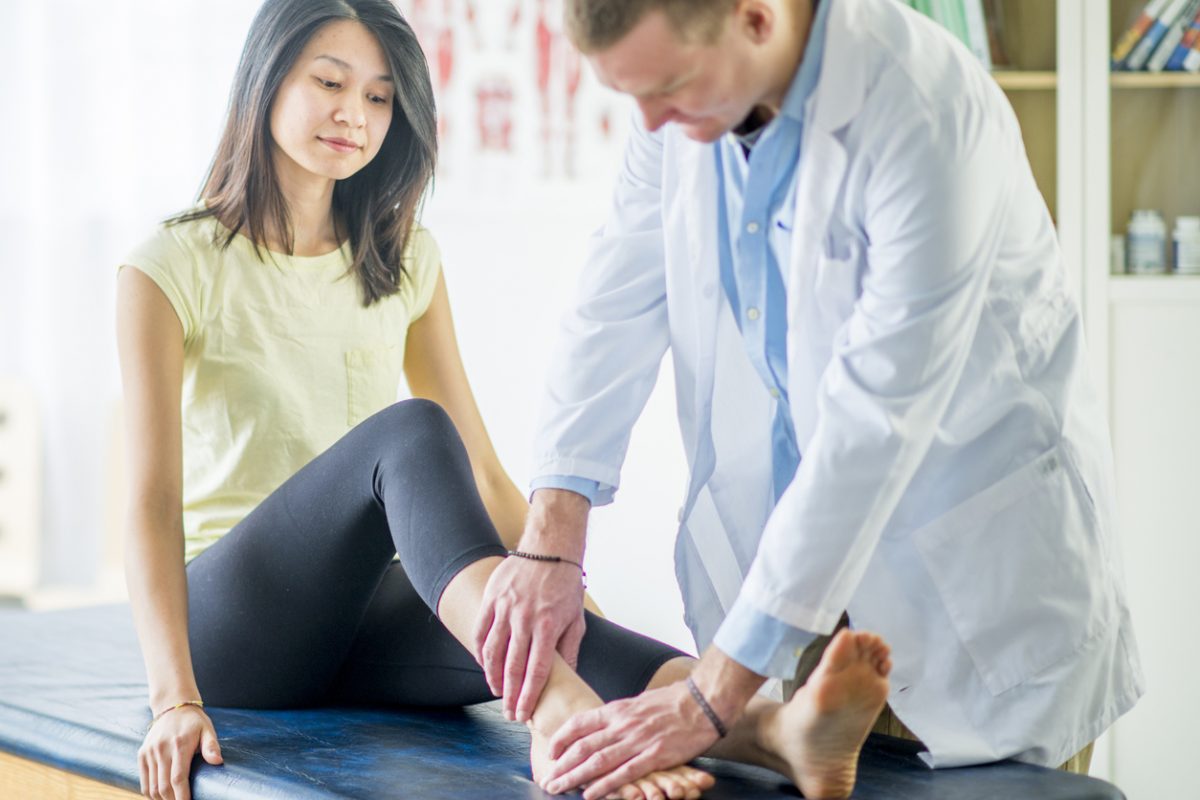
As experts in the way the body moves, physical therapists help people of all ages and abilities reduce pain, improve or restore mobility, and stay active and fit throughout life. The main goal of physical therapy is to restore your function and mobility, and eliminate or minimize your pain so you can get back to your active lifestyle. Physical therapy is actually a required part of the recovery process for many orthopedic injuries and surgical procedures.

A customized physical therapy program can help individuals return to their prior level of functioning, and encourage activities and lifestyle changes that can help prevent further injury and improve overall health and well-being. Primary care doctors often refer patients for physical therapy at the first sign of a problem, since it is considered a traditional approach to managing problems. For example, the first treatment for low back pain is often physical therapy, because the body has gotten out of shape and structure.

Physical therapists are healthcare professionals who offer cost-effective treatment to improve mobility and relieve pain, reduce the need for surgery and prescription drugs, allowing patients to participate in a recovery plan designed for their specific needs. If you’re already an athlete or physically active, then you will probably be more familiar with some of the treatment plan. If you’re not regularly active, physical therapy can open the door for a more active and energetic lifestyle.

Rehabilitation prior to your surgery is important for many reasons. Physical therapy will help minimize pain, reduce swelling, and especially help with range of motion. Physical therapy after surgery will help educate the patient on how to return to the activities they once did before, but hopefully even stronger. Not doing physical therapy after surgery can cause lack of mobility, increase the buildup of scar tissue, and even have psychological effects. Having done physical therapy beforehand and after will help you immensely after surgery, and help speed up your recovery process.

To learn more about physical therapy and its importance both before and after surgery, call Tucson Orthopaedic Institute at (520) 784-6200 to request an appointment, or you can use our secure online appointment request form.

Post-Operative Foot & Ankle Helpful Hints

You just had surgery on either your foot or ankle, or possibly both. These are some helpful hints from Tucson Orthopaedic Institute’s foot doctors to best manage your pain, swelling and discomfort after the procedure. Any procedure is a big procedure, so please do all that you can to take the best care of yourself after the surgery to ensure the best possible outcome.

1. Pain Management

  • Begin taking prescription pain medications given to you the same day of your surgery, BEFORE you go to bed.
  • If you had a nerve block performed, there is a good chance that you will feel fine before going to bed. However, there is also a good chance the nerve block will wear off while sleeping, so start taking the prescription medications before you go to bed.
  • The pain will be better controlled if you start to treat it (i.e. taking prescription medications) before it begins, instead of trying to manage the pain after it has started.

2. Swelling Management

  • Swelling after surgery can significantly contribute to post-operative pain, especially with foot and ankle surgery.
  • By elevating the foot and ankle as often as you can for the first several weeks after surgery, the swelling can be greatly reduced, and the painful symptoms can be improved, significantly.
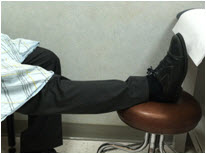
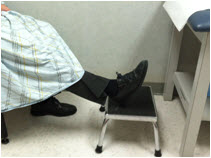
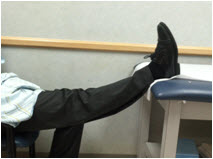
  • When elevating, elevate the affected foot and ankle above the level of the hip:


Ideal (foot/ankle higher than hip)

Not Okay (foot/ankle level with hip)   Not Okay (foot/ankle lower than hip)

3. Ice/Ice Packs/Etc.

  • Ice is also a good adjunct to help with pain and swelling.
  • If the discharge information you received from the surgery center mentions it is okay for you to ice the area of your surgery, then do so for 15 minutes every 1 to 2 hours. Frozen bags of vegetables also work well for this.
  • If the discharge information does not say it is okay for you to ice, then please do not do so. This may be the case if you had surgery on your toes. In this case, only keep your foot elevated as mentioned above, and avoid placing any ice/ice packs/etc. onto the area.

4. Nausea

  • You may have also been given a prescription medication for nausea (i.e. phenergan 12.5 mg)
  • Nausea is common after surgery. Nausea can also occur with the prescription pain medications you were prescribed, as many of them have a tendency to slow down how quickly things move through the stomach and intestines.
  • Many patients may not need this medication, but if you are prone to nausea, it is also a good idea to take this prescription medication the night of your surgery, before you go to bed.

5. Long-Term Symptom Management and Expectations

  • It is very common for the toes/foot/ankle to remain somewhat swollen for several months after surgery. Typically, this process will gradually improve over the course of an entire 12 months! So, if you do continue to have some swelling even 3 to 6 months after your surgery, there is still a good 6 to 9 months of time where this will improve. Don’t be discouraged. Instead, continue to keep the foot elevated as mentioned in #2, above, as often as you can.
  • As you make progress from your day of surgery, the amount of weight bearing you will be allowed to do will change. As this weight bearing increases, there will very likely be an increase in the amount of swelling and discomfort you have with the surgical side. To best control the discomfort and swelling, do any of the following, or a combination of the following:
    1. Place less weight on the surgical side.
    2. Spend less time, over the course of the day, placing weight on the surgical side.
    3. When you are not weight bearing, continue to keep the extremity elevated as mentioned above.
    4. Apply ice to the affected area as mentioned above.

**Important Note: DO NOT initiate weight bearing until you have been instructed to do so.

To learn more about this article, or to make an appointment with a Tucson Orthopaedic doctor or specialist, please contact the East office.

Written by Eric P. Anctil, MD and Matthew W. Byers, PA-C

Search

+