

Treating Arthritis: Making Gains Against The Pain

Although there are 100 types of arthritis, and many forms of treatment, research is getting us close to significant improvements in care. Here are some of the local developments that offer hope.

Arthritis is America’s number one cause of disability, costing the U.S. economy more than $128 billion a year, according to the Arthritis Foundation. The organization’s Southern Arizona Chapter reports that in Arizona alone, approximately 1.1 million people have some form of the disease. Six thousand of those are children.

Considering how prevalent the disease is, there’s still much research, education and drug testing to be done. Arthritis is complicated – it has 100 different forms, including many autoimmune disorders; it can be difficult to diagnose; and despite the number of drugs on the market, there’s no single treatment that works for everyone.

“Arthritis is a Greek word meaning ‘swelling of the joint,'” says Susan Sweeney, executive director of the Arthritis Foundation’s Greater Southwest Chapter. “Osteoarthritis (OA) is the number one disease in our group; rheumatoid arthritis (RA) is second. Then there’s lupus, which can be of the skin or different kinds; fibromyalgia; or psoriatic arthritis,” the type PGA player Phil Mickelson was diagnosed with in 2010. Autoimmune forms of arthritis have very different causes than OA, but they generally all create joint pain.

Two local medical groups are aggressively pursuing advancements in the field of arthritis, with cutting-edge research being conducted at the Arizona Arthritis Center and innovative patient treatments being done at Tucson Orthopaedic Institute (TOI).

Located on the University of Arizona College of Medicine campus, the Arizona Arthritis Center is headed by Eric Gall, MD, the center’s founder and current interim director.
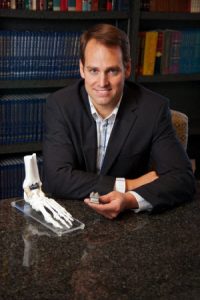
He says the main focus at the center is immunology and inflammation. A current study, led by John Szivek, MD, is exploring a new treatment for OA patients. “Dr. Szivek worked with artificial joints early on. Now he’s studying re-growth of cartilage in damaged joints using non-controversial stem cells,” Dr. Gall explains. “They’re taken from the fat of the abdomen, he grows them and reintroduces them to grow into new cartilage. This is a new approach in this area. His lab is waiting to be FDA approved to do the study in humans.”

Other research underway at the center includes investigating how to control lupus, clinical studies on pharmaceuticals and a look at valley fever in arthritis patients who are on biologic agents. “Fungal infections can come out in these patients,” and they must go off the drugs, Dr. Gall says. In the past, there’s been uncertainty about whether the patients could continue treatment after valley fever symptoms dissipated. “We’re asking, can you treat again after going off the drug?”

Physicians at Tucson Orthopaedic Institute are attracting attention for three progressive procedures that help those with deteriorating joints. Eric Anctil, MD is performing the Scandinavian Total Ankle Replacement (STAR) surgery, which results in greater range of motion than what’s achieved with other options.

The STAR device, states Dr. Anctil, “is the only implant that’s mobile bearing.” Other ankle replacement devices are fixed bearing and therefore limit motion, as does ankle fusion. The procedure was developed by a Danish surgeon and has been commonplace in Europe and Canada for 15 to 20 years. The Food and Drug Administration approved the technique in the U.S. two years ago.

Anctil moved to Tucson from Canada, where he’d been performing the surgery for years. “When I first came here, I didn’t use another replacement; I waited for the FDA approval. I was the first one in Arizona to do it. Now there are one or two doctors who do the procedure in Tucson and some in Phoenix,” he says.
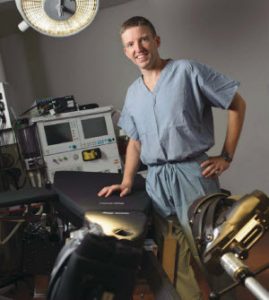
Those who have put off hip replacement surgery in anticipation of something less invasive now have another option, currently being performed by Edward Petrow Jr., DO. “With anterior hip replacement (AHR), instead of cutting muscle to get to the hip joint, we move the muscle to the side from the front. It’s a quicker initial recovery and patients are off the cane or walker in the first week or two. Other advantages are that there are no hip precautions and a much lower risk for hip dislocation.” The incision, he says, is 8-10 centimeters.

Using real time X-ray makes the surgery more precise. “We use the opposite hip as a template to match leg length,” an issue which occasionally arises with other hip replacement techniques, Dr. Petrow notes. AHR is done on a special surgical table that allows extension of the patient’s leg downward, thus giving front access to the hip.

Like Dr. Anctil, Dr. Petrow moved to Tucson from an area where the surgery already was being performed. “I came from Virginia and did it there. I was surprised more people weren’t doing it here.” Dr. Petrow’s primary obstacle was convincing Hospital administrators to purchase the special table at a cost of $70,000 to $120,000, which they eventually did.
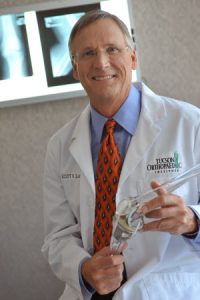
The surgery also requires special training. After performing approximately 40 AHR surgeries during his last year in Virginia and a dozen here, Dr. Petrow believes he’s the most experienced AHR doctor in Tucson. “It’s now sweeping the country,” he adds.

Just approved by the FDA is an innovative procedure for improving ee s, one that uses vitamin E to extend the life of the device. When this article was written, Scott Slagis, MD was the only Tucson doctor lined up to perform the surgery, which will begin once the implants are shipped. He explains that plastics in joint replacements are generally radiated during manufacturing to make them more durable. But radiation releases free radicals into the plastic, which can lead to oxidation and subsequent wear.

“You add vitamin E, which is an antioxidant, and it neutralizes the free radicals. It then may last longer and be stronger,” Dr. Slagis reports. He says the procedure is not age restricted, but it’s especially good for younger, active patients because of its longevity.

Dr. Slagis has seen small advancements in knee replacement procedures, which he’s been performing for 20 years. But he believes the vitamin E implant could prove to be significant. “This is one that may have profound implications,” he says.

Children With Arthritis

Although support programs abound for kids with arthritis, medical attention can be harder to come by, with a shortage of doctors nationwide.

“There are no board-certified pediatric rheumatologists in Southern Arizona, states Deborah Jane Power, DO, of Catalina Pointe Arthritis and Rheumatology Specialists, P.C. “I’m the only rheumatologist in Southern Arizona willing to see kids with juvenile arthritis 15 and younger.” She and her partners also treat adults with RA and OA.

Power explains the differences between the two: “Osteoarthritis is a degenerative, wear-and-tear condition. Some is genetic, some caused by obesity or trauma and bad injuries, such as sports related. The distribution in the body is knees and hips, the base of the thumb and the joint closest to the fingernail.” While she said there are no drugs that slow the progression of OA, taking anti-inflammatory drugs can help, as can exercise.

“Rheumatoid arthritis is an autoimmune disease that starts in the joint. The body attacks the joint lining in the synovial capsule.This causes swelling, pain and loss of range of motion. It’s whole-body inflammation.You also can have fatigue and a low-grade fever,” Power notes.

Nutrition plays a part in arthritis, as well, she says. “Dr. Andrew Weil believes dairy is inflammatory. Things like turmeric, garlic, cayenne and green tea help with inflammation, so patients can be given that. Foods in the nightshade family cause inflammation — tomatoes, potatoes and eggplant.” She suggests that people with RA and other autoimmune diseases avoid gluten, as it can stimulate the immune system.

Arthritis Foundation – Greater Southwest Chapter

The foundation’s primary goals, notes Executive Director Susan Sweeney, are to increase awareness of the disease, raise funds for research and provide local support for people with arthritis. “Money raised in Tucson stays to provide programs and services in Southern Arizona,” she says. These include seminars, health fairs, exercise classes, educational material, referrals, scholarships and kids’ camps — all coordinated out of the Arthritis Foundation’s office at 310 S. Williams Boulevard.

“We have community education classes where a physician and I go out to senior centers, senior communities or to the work place. One big thing we do is arthritis exercise classes. Water exercise and Tai Chi are especially good choices for arthritis patients. We train instructors and have partnerships with Tucson Parks & Recreation, for example.”

Often, it can take eight weeks to see a rheumatologist, according to Sweeney, and people want information on the disease while they wait. “We send them support group information, Arthritis Today magazine and a drug guide from the national office.” Her staff can refer callers to one of eight rheumatology groups in town.

Major fundraising events for the foundation include the Arthritis Walk, held each spring; the Jingle Bell 5K Run & Fun Walk in December; and a newcomer last year, the Surgeons vs. Chefs Pumpkin Carving Contest.

Chris Stead, local Arthritis Walk coordinator, reported that this year’s event drew more than 500 participants and raised approximately $40,000 through pledges, donations and sponsorships. Held at Brandi Fenton Memorial Park on May 7, 2011, the one-mile walk was kicked off by Mayor Bob Walkup, followed by entertainment and activities.

“We had community vendors and booths like Sam’s Club, Desert Diamond Casino and orthopaedic teams,” notes Stead. Ronald McDonald performed magic tricks for the kids, a disc jockey played music and a splash pad cooled everyone Down. “There was a dogathon, and K-9 Loyal Companions gave doggie massages. Dogs get arthritis, too,” Stead remarks.

This year’s holiday-themed 5K fundraiser is slated for Dec. 3 at Reid Park, he says.“It’s a timed run, people dress in holiday gear and we give awards. There’s also a contest with dogs; you can dress up your pet. Funds help with juvenile arthritis family camps and other programs.”

The foundation holds three camps each year: Camp Cruz, a week-long summer camp for 11 to 16 year olds in New Mexico; an overnight camp for younger kids; and a family camp held locally.

As published in Tucson Lifestyle Magazine, December 2011

Written by Christy Krueger

TMC’s Tucson Orthopaedic Institute Improves Patient Outcomes with Surgical Precision

Source: Inside Tucson Business published on May 26, 2017

Written by Logan Burtch-Buss

Photo Credit to Eric Suhm

When Tucson resident Melissa Anderson underwent her first full knee replacement surgery in 2010, she said the painful rehabilitation process lasted three months. Roughly two months ago, Anderson received her second full knee replacement surgery, and it only took seven weeks before the 65-year-old woman was out dancing and riding a recombant bicycle with her husband, John.

Anderson’s most recent surgery took place at TMC’s Tucson Orthopaedic Institute with the use of Stryker’s Mako Robotic-Arm Assisted Total Knee application.

Typically, a knee replacement is done using manual instruments, and cutting-guides have to be placed and positioned according to a surgeon’s visual, said Dr. Russell G. Cohen, who handled Anderson’s second replacement. Traditional replacements are taught in a certain manner and guides are placed in similar fashion for all patients.

But not every knee is the same, Cohen said, and he said one of the pitfalls of knee replacement is the recovery time because the process involves recreating “soft tissue tensioning.” By having a robot with which the patient’s anatomy is registered from a CAT scan, the physician can feel how they want the knee to end up before ever starting the procedure, rather than make the cuts and try to catch up and make everything fit just right.

By fine-tuning every procedure to the physical specifications of each patient down to the millimeter, the recovery process is expedited, and patient satisfaction is improved as a result.

“I was absolutely shocked at the difference with the difference I felt between the first one and the second one,” Anderson said. “There is a really deep knee-bone pain you get with that kind of surgery … and I didn’t have it. I was worried about doing it again because I didn’t want to spend another three months recovering, but I was released from [physical therapy] in four weeks.”

Cohen has completed several dozen Mako Total Knee surgeries, and said a great majority of those patients have left the hospital the following day, all recovering much like Anderson. In addition to the implementation of the Mako, Cohen said credit for recovery improvement must also be given to improvements to anesthesia practices and other hospital procedure.

Though TOI has already been recognized for its excellence in orthopedic practice, constantly improving upon that level of service is of the utmost importance to TMC moving forward, said chief operations officer Karen Mlawsky.

Mlawsky added that with a “superstar” like Cohen in such an important practice such as orthopedics, in which TMC holds the majority market share, it is important to continue to support physicians and surgeons, and implementing robotics does just that.

“TMC believes that it is really important for us to partner with our physicians, and when one comes forward and says that they believe the technology is going to make an impact on our patient’s outcomes, we want to listen,” she said. “We believe that orthopedics is very important to us, we believe that robotics is very important to us, and the other side of that is our role in Tucson. We are the only community hospital and we think it is important to do things that help people stay well. This technology is about getting people well quickly and keeping a person active, that’s our mission.”

According to TMC, total knee replacements in the United States are expected to increase 673 percent by 2030, and Cohen said the success of the Mako in handling full knee (and hip) replacements bodes well for the community’s future.

“There are some things that are very much a physician or surgeon looking at and trying to create whatever they are doing in the right space or angle, and I think with imaging technology and the Mako, it can be a homerun every time instead of most of the time,” he said.

Anderson, who now considers herself an advocate for the robotic knee replacement, said the outcome from her own operation was an absolute success, and said she would work with any potential patient nervous at the prospect of going under the robotic knife.

“It’s just incredible,” she said. “I was so surprised because I was ready to do that three month thing, and not to not have to do that is such a gift. Not to have that deep knee pain, that bone pain, is amazing.”

Because We Care Foundation Annual Trip – 2015

11/12/2015 – The non-profit group, Because We Care Foundation (BWCF), is currently on its fourth annual trip to Quito, Ecuador to provide total knee replacements to people without financial resources for treatment. The organization was founded and lead by Tucson Orthopaedic Institute providers, Luis Piedrahita, MD and Lori Bryant, PT. Tucson Ortho physicians and staff, along with colleagues from Tucson Medical Center (TMC), donate their time and talent to provide these services to folks that would otherwise go without care.

This year, Luis Piedrahita, M.D., Tucson Ortho physician, Murray Robertson, M.D., BWCF President, and Russell Cohen, M.D., BWCF Board Member, will be traveling from Nov. 6th – Nov. 14th performing knee replacement surgeries to local residents.

Click the link to learn more about Because We Care Foundation and check back in a few weeks to see how the 2015 trip concluded!

Why Consider a Partial Knee Replacement?

By: Ali Dalal, M.D. 

For patients that have long standing degenerative joint disease (DJD) of the knee, life can be very painful. There are times when the knee feels stiff, swells, or gives way, causing constant pain. Walking, standing and in severe cases even sleeping, can be difficult. Once these patients have tried all of the available treatments short of surgery and their x-rays show “bone on bone” changes they become a candidate for knee replacement. At this point patients require a complete discussion of their options.

Not all knee replacements are made the same. There are alternatives to the traditional “Total Knee Replacement” (TKR) or complete replacement of all parts of the knee. The knee has three distinct compartments. Total knee replacement involves removing all of the destroyed cartilage in every compartment and resurfacing it with a smooth and durable metal and polyethylene (plastic) parts. Almost all TKR requires removing the Anterior Cruciate Ligament (ACL) to perform the procedure. For many patients, TKR is the best option as they have multiple compartments with DJD in the knee. However, another option for the right patient is partial knee replacement, also known as uni-compartmental knee replacement (UKR). This procedure replaces only the cartilage in the diseased compartment with metal and plastic. The remaining healthy cartilage and the ACL are preserved.

For select patients, partial knee replacement offers an excellent solution to disabling knee DJD. Studies have shown that partial knee replacement leads to shorter hospital stays, better knee function, shorter recoveries, and a lower risk of blood clots after surgery. It is thought that the preservation of the ACL also leads to a more “normal” feeling knee. Long-term studies performed in Europe have shown that in 91% of patients, partial knee replacements had lasted for at least 16 years or more.

Is a partial knee replacement right for you? There are many individualized factors that influence this decision. The best place to start is by consulting with a UKR trained orthopedic surgeon – your best resource in helping you choose the right treatment for your knee.

U.S. News & World Report Names the TMC Orthopaedic Center Among Best in Knee Replacement

US News & World ReportTucson Medical Center has been recognized as one of the best hospitals for 2015-16 in knee replacement by U.S. News & World Report. The annual U.S. News Best Hospitals rankings, now in their 26th year, recognize hospitals that excel in treating the most challenging patients.
“The TMC Orthopaedic Center and our partners at the Tucson Orthopaedic Institute are proud to announce this important recognition of our world-class orthopaedics program,” said Judy Rich, president and chief executive officer, Tucson Medical Center. “We take pride in our busy joint replacement program, which is staffed by a care team that is best in class. This designation validates that expertise.”

The TMC Orthopaedic Center is a word-class facility dedicated to the needs of the orthopaedic patient and designed with the full continuum of care in mind. The four-story Orthopaedic and Surgical Tower includes 10 state-of-the-art orthopaedic operating rooms that can accommodate both inpatient and outpatient surgeries, and a dedicated 40-bed orthopaedic unit with all private rooms.

“Tucson Orthopaedic Institute collaborates with TMC on clinical and quality initiatives. That commitment has resulted in measurably better care and outcomes for our patients; and they are able to experience an improved quality of life from the orthopaedic care received here,” said Lawrence Housman, M.D., president, Tucson Orthopaedic Institute.

For 2015-16, U.S. News evaluated hospitals in 16 adult specialties and ranked the top 50 in most of the specialties. Less than 3 percent of the nearly 5,000 hospitals that were analyzed for Best Hospitals 2015-16 were nationally ranked in even one specialty.

“A Best Hospital has demonstrated expertise in treating the most challenging patients,” said Ben Harder, chief of health analysis at U.S. News. “A hospital that emerged from our analysis as one of the best has much to be proud of.”

In rankings by state and metro area, U.S. News recognized hospitals that perform nearly at the level of their nationally ranked peers in one or more specialties, as well as hospitals that excel in multiple common procedures and conditions.

U.S. News publishes Best Hospitals to help guide patients who need a high level of care because they face a particularly difficult surgery, a challenging condition or extra risk because of age or multiple health problems. Objective measures such as patient survival and safety data, adequacy of nurse staffing and other data largely determined the rankings in most specialties.

The specialty rankings and data were produced for U.S. News by RTI International, a leading research organization based in Research Triangle Park, North Carolina. U.S. News used the same data, as well as the new Best Hospitals for Common Care ratings, first published in May, to produce the state and metro rankings.

The rankings are freely available at https://health.usnews.com/best-hospitals and will appear in the U.S. News “Best Hospitals 2016” guidebook, available in August from the U.S. News Store.

About Tucson Medical Center

Tucson Medical Center, licensed at more than 600 beds, has been Tucson’s nonprofit community hospital for more than 70 years. In addition to serving as a regional resource for emergency and pediatric care (including Tucson’s first Pediatric Emergency Department), TMC offers top-notch intensive care units for adults, children and newborns. Specialty areas include women’s, maternity, cardiac, orthopaedic, neuroscience, neurologic, pediatric and imaging. TMC, designated as a ‘Most Wired’ hospital, employs a top-level electronic medical record system.

About Tucson Orthopaedic Institute

Tucson Orthopaedic Institute is one of the Southwest’s leading orthopaedic medical practices. With three locations and 50 practitioners, Tucson Ortho provides comprehensive surgical and non-surgical treatment, serving both adults and children. The fellowship-trained physicians at Tucson Orthopaedic Institute’s Centers of Excellence are committed to improving patient care through community education and outreach efforts to promote lifestyles that create strong, healthy bones, joints and muscles.


Tucson Ortho Surgeon Offers Help to Local Patients in Need

Russell Cohen, MD, Tucson Orthopaedic Institute hip and knee surgeon, developed a program to provide free total joint replacement surgeries to local underserved patients with debilitating hip or knee arthritis.

This is the first program of its kind in Tucson and the idea came to Dr. Cohen because he has done similar programs in Vietnam and Haiti, with Operation Walk – a non-profit organization that sends volunteer surgeons to developing countries to perform joint replacements.

The first recipients of this program will take place September 29, 2012 – there will be six surgeries performed by Dr. Cohen, including two hip replacements and four knee replacements, and one of those will be performed by both Dr. Cohen and fellow Tucson Orthopaedic Institute surgeon, John Wild, Jr., MD.

Exhaust Options Before Joint Replacement Surgery

Non-steroidal anti-inflammatory drugs (NSAIDs) acetaminophen, glucosomine and chondroitin nutritional supplements, cortisone injections and rooster cartilage – yes, rooster cartilage – may help avoid the need for hip and knee joint replacement surgery.

About 65 people came to the East Social Center on Thursday to hear Dr. Edward Petrow, a surgeon at the Tucson Orthopaedic Institute, talk about remedies for stiff and weak joints before considering joint replacement surgery.

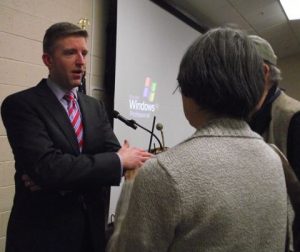
Dr. Edward Petrow speaks to members of the audience after his talk.

Petrow explained that osteoarthritis is the wearing down of articular cartilage of the joints and begins at 25. As one ages, symptoms of the wearing down may result in joint soreness, stiffness and pain caused by weakening of the muscles surrounding the joint due to inactivity.

Acetaminophen doesn’t decrease or reduce inflammation, but will reduce pain, he said.

Glucosomine and chrondroitin, a food supplement not regulated by the Food and Drug Administration, doesn’t work for everyone and usually takes three months to determine whether it is effective.

Cortisone injections can reduce swelling and discomfort, and if effective may be repeated every three months.

Hyaluronic acid injections, which comes from the cartilage of rooster combs, is said to restore lubrication and fluid in joints and can last six to 12 months.

Weight loss can affect joints in a positive way.

“Lose one pound and it reduces three to four pounds of pressure on your knees,” Petrow said.

If All Else Fails

Though he advises trying non-surgical remedies first, Petrow said the time to consider joint replacement is when there is loss of function.

About 500,000 hip replacement surgeries are done annually in the U.S. Though knee replacement is the gold standard of care, minimally invasive knee surgery will result in less trauma, less bleeding and pain and a smaller scar,

Exhaust all non-surgical options. Minimally invasive technology reduces complications, Petrow advised.

New advances include computer-assisted surgery where a computer makes a model of a patient’s hip or leg, and intra-operative imaging is now available for more accurate leg length with hip replacement surgery.

For an appointment with Petrow, call the Tucson Orthopedic Institute at (520) 382-8200.

Written by Ellen Sussman, Special to the Green Valley News

As published in the Green Valley News, Wednesday, December 21, 2011

Treating Arthritis: Making Gains Against The Pain

Although there are 100 types of arthritis, and many forms of treatment, research is getting us close to significant improvements in care. Here are some of the local developments that offer hope.

Arthritis is America’s number one cause of disability, costing the U.S. economy more than $128 billion a year, according to the Arthritis Foundation. The organization’s Southern Arizona Chapter reports that in Arizona alone, approximately 1.1 million people have some form of the disease. Six thousand of those are children.

Considering how prevalent the disease is, there’s still much research, education and drug testing to be done. Arthritis is complicated – it has 100 different forms, including many autoimmune disorders; it can be difficult to diagnose; and despite the number of drugs on the market, there’s no single treatment that works for everyone.

“Arthritis is a Greek word meaning ‘swelling of the joint,'” says Susan Sweeney, executive director of the Arthritis Foundation’s Greater Southwest Chapter. “Osteoarthritis (OA) is the number one disease in our group; rheumatoid arthritis (RA) is second. Then there’s lupus, which can be of the skin or different kinds; fibromyalgia; or psoriatic arthritis,” the type PGA player Phil Mickelson was diagnosed with in 2010. Autoimmune forms of arthritis have very different causes than OA, but they generally all create joint pain.

Two local medical groups are aggressively pursuing advancements in the field of arthritis, with cutting-edge research being conducted at the Arizona Arthritis Center and innovative patient treatments being done at Tucson Orthopaedic Institute (TOI).

Located on the University of Arizona College of Medicine campus, the Arizona Arthritis Center is headed by Eric Gall, MD, the center’s founder and current interim director.

He says the main focus at the center is immunology and inflammation. A current study, led by John Szivek, MD, is exploring a new treatment for OA patients. “Dr. Szivek worked with artificial joints early on. Now he’s studying re-growth of cartilage in damaged joints using non-controversial stem cells,” Dr. Gall explains. “They’re taken from the fat of the abdomen, he grows them and reintroduces them to grow into new cartilage. This is a new approach in this area. His lab is waiting to be FDA approved to do the study in humans.”

Other research underway at the center includes investigating how to control lupus, clinical studies on pharmaceuticals and a look at valley fever in arthritis patients who are on biologic agents. “Fungal infections can come out in these patients,” and they must go off the drugs, Dr. Gall says. In the past, there’s been uncertainty about whether the patients could continue treatment after valley fever symptoms dissipated. “We’re asking, can you treat again after going off the drug?”

Physicians at Tucson Orthopaedic Institute are attracting attention for three progressive procedures that help those with deteriorating joints. Eric Anctil, MD is performing the Scandinavian Total Ankle Replacement (STAR) surgery, which results in greater range of motion than what’s achieved with other options.

The STAR device, states Dr. Anctil, “is the only implant that’s mobile bearing.” Other ankle replacement devices are fixed bearing and therefore limit motion, as does ankle fusion. The procedure was developed by a Danish surgeon and has been commonplace in Europe and Canada for 15 to 20 years. The Food and Drug Administration approved the technique in the U.S. two years ago.

Anctil moved to Tucson from Canada, where he’d been performing the surgery for years. “When I first came here, I didn’t use another replacement; I waited for the FDA approval. I was the first one in Arizona to do it. Now there are one or two doctors who do the procedure in Tucson and some in Phoenix,” he says.

Those who have put off hip replacement surgery in anticipation of something less invasive now have another option, currently being performed by Edward Petrow Jr., DO. “With anterior hip replacement (AHR), instead of cutting muscle to get to the hip joint, we move the muscle to the side from the front. It’s a quicker initial recovery and patients are off the cane or walker in the first week or two. Other advantages are that there are no hip precautions and a much lower risk for hip dislocation.” The incision, he says, is 8-10 centimeters.

Using real time X-ray makes the surgery more precise. “We use the opposite hip as a template to match leg length,” an issue which occasionally arises with other hip replacement techniques, Dr. Petrow notes. AHR is done on a special surgical table that allows extension of the patient’s leg downward, thus giving front access to the hip.

Like Dr. Anctil, Dr. Petrow moved to Tucson from an area where the surgery already was being performed. “I came from Virginia and did it there. I was surprised more people weren’t doing it here.” Dr. Petrow’s primary obstacle was convincing Hospital administrators to purchase the special table at a cost of $70,000 to $120,000, which they eventually did.

The surgery also requires special training. After performing approximately 40 AHR surgeries during his last year in Virginia and a dozen here, Dr. Petrow believes he’s the most experienced AHR doctor in Tucson. “It’s now sweeping the country,” he adds.

Just approved by the FDA is an innovative procedure for improving ee s, one that uses vitamin E to extend the life of the device. When this article was written, Scott Slagis, MD was the only Tucson doctor lined up to perform the surgery, which will begin once the implants are shipped. He explains that plastics in joint replacements are generally radiated during manufacturing to make them more durable. But radiation releases free radicals into the plastic, which can lead to oxidation and subsequent wear.

“You add vitamin E, which is an antioxidant, and it neutralizes the free radicals. It then may last longer and be stronger,” Dr. Slagis reports. He says the procedure is not age restricted, but it’s especially good for younger, active patients because of its longevity.

Dr. Slagis has seen small advancements in knee replacement procedures, which he’s been performing for 20 years. But he believes the vitamin E implant could prove to be significant. “This is one that may have profound implications,” he says.

Children With Arthritis

Although support programs abound for kids with arthritis, medical attention can be harder to come by, with a shortage of doctors nationwide.

“There are no board-certified pediatric rheumatologists in Southern Arizona, states Deborah Jane Power, DO, of Catalina Pointe Arthritis and Rheumatology Specialists, P.C. “I’m the only rheumatologist in Southern Arizona willing to see kids with juvenile arthritis 15 and younger.” She and her partners also treat adults with RA and OA.

Power explains the differences between the two: “Osteoarthritis is a degenerative, wear-and-tear condition. Some is genetic, some caused by obesity or trauma and bad injuries, such as sports related. The distribution in the body is knees and hips, the base of the thumb and the joint closest to the fingernail.” While she said there are no drugs that slow the progression of OA, taking anti-inflammatory drugs can help, as can exercise.

“Rheumatoid arthritis is an autoimmune disease that starts in the joint. The body attacks the joint lining in the synovial capsule.This causes swelling, pain and loss of range of motion. It’s whole-body inflammation.You also can have fatigue and a low-grade fever,” Power notes.

Nutrition plays a part in arthritis, as well, she says. “Dr. Andrew Weil believes dairy is inflammatory. Things like turmeric, garlic, cayenne and green tea help with inflammation, so patients can be given that. Foods in the nightshade family cause inflammation — tomatoes, potatoes and eggplant.” She suggests that people with RA and other autoimmune diseases avoid gluten, as it can stimulate the immune system.

Arthritis Foundation – Greater Southwest Chapter

The foundation’s primary goals, notes Executive Director Susan Sweeney, are to increase awareness of the disease, raise funds for research and provide local support for people with arthritis. “Money raised in Tucson stays to provide programs and services in Southern Arizona,” she says. These include seminars, health fairs, exercise classes, educational material, referrals, scholarships and kids’ camps — all coordinated out of the Arthritis Foundation’s office at 310 S. Williams Boulevard.

“We have community education classes where a physician and I go out to senior centers, senior communities or to the work place. One big thing we do is arthritis exercise classes. Water exercise and Tai Chi are especially good choices for arthritis patients. We train instructors and have partnerships with Tucson Parks & Recreation, for example.”

Often, it can take eight weeks to see a rheumatologist, according to Sweeney, and people want information on the disease while they wait. “We send them support group information, Arthritis Today magazine and a drug guide from the national office.” Her staff can refer callers to one of eight rheumatology groups in town.

Major fundraising events for the foundation include the Arthritis Walk, held each spring; the Jingle Bell 5K Run & Fun Walk in December; and a newcomer last year, the Surgeons vs. Chefs Pumpkin Carving Contest.

Chris Stead, local Arthritis Walk coordinator, reported that this year’s event drew more than 500 participants and raised approximately $40,000 through pledges, donations and sponsorships. Held at Brandi Fenton Memorial Park on May 7, 2011, the one-mile walk was kicked off by Mayor Bob Walkup, followed by entertainment and activities.

“We had community vendors and booths like Sam’s Club, Desert Diamond Casino and orthopaedic teams,” notes Stead. Ronald McDonald performed magic tricks for the kids, a disc jockey played music and a splash pad cooled everyone Down. “There was a dogathon, and K-9 Loyal Companions gave doggie massages. Dogs get arthritis, too,” Stead remarks.

This year’s holiday-themed 5K fundraiser is slated for Dec. 3 at Reid Park, he says.“It’s a timed run, people dress in holiday gear and we give awards. There’s also a contest with dogs; you can dress up your pet. Funds help with juvenile arthritis family camps and other programs.”

The foundation holds three camps each year: Camp Cruz, a week-long summer camp for 11 to 16 year olds in New Mexico; an overnight camp for younger kids; and a family camp held locally.

As published in Tucson Lifestyle Magazine, December 2011

Written by Christy Krueger

Orthopaedic Surgeon Takes a Look at the ‘Hip Side of Things’

“So what’s new on the hip side of things?” Dr. Edward P. Petrow Jr., asked a room full of people at the Quality Inn Wednesday afternoon. And no, Petrow wasn’t asking about the most à la mode musical beats or in vogue fashion trends. When Petrow, the orthopaedic surgeon and recent Virginia transplant, asked about the “hip side of things” he really was asking about, well, the hips.

Petrow, the sixth Tucson-area guest speaker invited to Nogales by the Mariposa Community Health Center, specializes in joint replacements, specifically knee and hip replacements. Norma Villaseñor, a spokeswoman for Mariposa, said the clinic started holding the biannual luncheons thee years ago as part of the “Mariposa Series.” Some 30 people, both local health professionals and other community members, filed into a room at the Quality Inn around noon, ate lunch and then listened to what Petrow described as “what’s cooking in what we do.”

Villaseñor, who said the list of past speakers included a neurosurgeon and a cancer treatment specialist, said, “We want to invite them to learn about the latest innovations and intermingle and network.”

Major Changes

Petrow said joint replacement surgery has changed noticeably since he finished residency eight years ago. He now works for Tucson Orthopaedic Institute. Petrow said two big changes in hip and knee replacement surgery are the size of surgery incisions and the lifetime of the replacements. Thanks to new computer-assisted surgery techniques, the size of incisions has shrunk noticeably to around 10 centimeters, he said. And because of innovations in plastic, metal and ceramic, implants can now last up to 25 years. They used to max out around 10 years, he said. “Don’t be scared of implants, longevity is a lot better,” Petrow said.

Despite the innovations, he reminded the audience of the dangers that always accompany surgery. For example, with the metal-on-metal implants there is a very slight risk that metal debris could form a pseudo-tumor.

Because of the longer lifespan and soaring levels of obesity, the number of hip and knee replacements per year in America, currently resting around 500,000, continually increases, Petrow said. Since many people live to 100 now, if they have bad knees by age 50, they’ll probably get surgery, instead of spending the second half of their life in pain, Petrow explained.

And, extra weight equates to a disproportionate addition of joint pressure, he said. “Lose 10 pounds and that’s like taking 30 pounds of pressure off the knees with every step,” Petrow said.

Need to Educate

Judge James Soto, who is on the local hospital board, attended the event and invited his friend and former college roommate SCVUSD Superintendent Dan Fontes, because he said he knew he had bad knees. After Petrow finished his Powerpoint presentation, Fontes, who said he’d “heard all of this before” but was “still deciding” whether or not to get surgery, asked him a question.

Fontes wanted to know the risks associated with post-surgery infection, asking specifically about taking preventative medicine before dentist visits. Petrow said he tells his patients to “take antibiotics for forever. Your goal is to never have an infection.”

Soon before the audience members shuffled out and on with their day, Petrow encouraged doctors in the audience to keep their patients up-to-date – or shall we say, hip – on all procedures. “We’re the guys putting scars on people. We need to educate them,” Petrow said.

By Marisa Gerber

As published in Nogales International, Monday, August 16, 2010

Search

+