
TMC’s Tucson Orthopaedic Institute Improves Patient Outcomes with Surgical Precision

Source: Inside Tucson Business published on May 26, 2017

Written by Logan Burtch-Buss

Photo Credit to Eric Suhm

When Tucson resident Melissa Anderson underwent her first full knee replacement surgery in 2010, she said the painful rehabilitation process lasted three months. Roughly two months ago, Anderson received her second full knee replacement surgery, and it only took seven weeks before the 65-year-old woman was out dancing and riding a recombant bicycle with her husband, John.

Anderson’s most recent surgery took place at TMC’s Tucson Orthopaedic Institute with the use of Stryker’s Mako Robotic-Arm Assisted Total Knee application.

Typically, a knee replacement is done using manual instruments, and cutting-guides have to be placed and positioned according to a surgeon’s visual, said Dr. Russell G. Cohen, who handled Anderson’s second replacement. Traditional replacements are taught in a certain manner and guides are placed in similar fashion for all patients.

But not every knee is the same, Cohen said, and he said one of the pitfalls of knee replacement is the recovery time because the process involves recreating “soft tissue tensioning.” By having a robot with which the patient’s anatomy is registered from a CAT scan, the physician can feel how they want the knee to end up before ever starting the procedure, rather than make the cuts and try to catch up and make everything fit just right.

By fine-tuning every procedure to the physical specifications of each patient down to the millimeter, the recovery process is expedited, and patient satisfaction is improved as a result.

“I was absolutely shocked at the difference with the difference I felt between the first one and the second one,” Anderson said. “There is a really deep knee-bone pain you get with that kind of surgery … and I didn’t have it. I was worried about doing it again because I didn’t want to spend another three months recovering, but I was released from [physical therapy] in four weeks.”

Cohen has completed several dozen Mako Total Knee surgeries, and said a great majority of those patients have left the hospital the following day, all recovering much like Anderson. In addition to the implementation of the Mako, Cohen said credit for recovery improvement must also be given to improvements to anesthesia practices and other hospital procedure.

Though TOI has already been recognized for its excellence in orthopedic practice, constantly improving upon that level of service is of the utmost importance to TMC moving forward, said chief operations officer Karen Mlawsky.

Mlawsky added that with a “superstar” like Cohen in such an important practice such as orthopedics, in which TMC holds the majority market share, it is important to continue to support physicians and surgeons, and implementing robotics does just that.

“TMC believes that it is really important for us to partner with our physicians, and when one comes forward and says that they believe the technology is going to make an impact on our patient’s outcomes, we want to listen,” she said. “We believe that orthopedics is very important to us, we believe that robotics is very important to us, and the other side of that is our role in Tucson. We are the only community hospital and we think it is important to do things that help people stay well. This technology is about getting people well quickly and keeping a person active, that’s our mission.”

According to TMC, total knee replacements in the United States are expected to increase 673 percent by 2030, and Cohen said the success of the Mako in handling full knee (and hip) replacements bodes well for the community’s future.

“There are some things that are very much a physician or surgeon looking at and trying to create whatever they are doing in the right space or angle, and I think with imaging technology and the Mako, it can be a homerun every time instead of most of the time,” he said.

Anderson, who now considers herself an advocate for the robotic knee replacement, said the outcome from her own operation was an absolute success, and said she would work with any potential patient nervous at the prospect of going under the robotic knife.

“It’s just incredible,” she said. “I was so surprised because I was ready to do that three month thing, and not to not have to do that is such a gift. Not to have that deep knee pain, that bone pain, is amazing.”
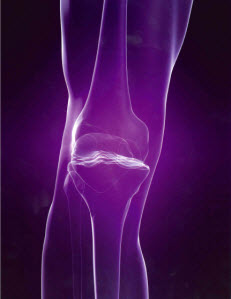
Get Hip to What You ‘Kneed’ to Know

In the article, “Get Hip to What You Kneed to Know”, from the April issue of Tucson Lifestyle, Total Joint Replacement Surgeon, Edward Petrow, D.O., and other local experts share their knowledge for patients considering joint replacement surgery for osteoarthritis (OA).

Dr. Petrow believes “Motion is life,” so when lack of mobility and pain cause quality of life to suffer, it may be time to see a physician.

Dr. Petrow says, “The biggest misinformation about knee and hip replacement is that surgeons used to tell people to wait to get a replacement as long as they could and that information has turned out to be incorrect. I always tell people that pre-operative function equals post-operative function. In other words, the better shape you go in, the better shape you leave. Overall, it helps the patient have an easier recovery.”

For Dr. Petrow, the biggest benefit is improving the quality of life for his patients so they can return to the activities they enjoy most.

Read the full article for more information about symptoms of knee and hip arthritis, surgical treatment options, and the advancements of procedures.

And learn more about Total Joint Replacement at Tucson Orthopaedic Institute and our hip and knee surgeons.

How Long Do Modern Joint Replacements Last?

Written by: Ali Dalal, MD

view post on original source – LinkedIn

3/31/2016 – Every patient that has bone-on-bone arthritis in the hip or knee has thought of this question when considering whether or not to have surgery.  All mechanical parts have a working life, but trying to answer this question for parts that are implanted into people is difficult because each person is different, and may put different demands on their artificial joints.  Nevertheless, it is important to give patients an idea of what they can expect out of their surgery.  The question becomes harder to answer as significant improvements are made in artificial joint design, but these advances also hold the promise of providing better longer lasting implants.

The biggest scientific advancement in total hip and knee replacement has been in the polyethylene or “plastic” liners. The majority of hip and knee replacements implanted in the United States consist of a metal and plastic articulation or bearing surface. This is the part of the joint replacement that actually moves.  One of the most common sources of failure is the metal or “hard” surface wearing away the plastic or “soft” surface. A recent article on the long term results of new plastic liners in hip replacement found that at 13 years after surgery in relatively young, high demand patients (age 45-65), 100% of the hip replacements done with new plastic had survived. Furthermore, none of those hips had any indication of plastic wear visible on x-rays.

The newer plastic technology was adopted later in total knee replacement, and long term data are not as clear. Mechanical simulator testing, however, has shown no wear in knee replacement plastic liners after one million cycles.  A recent study found that when including all risk factors for failure of knee replacement including those that are unforeseen such as infection, 95% of artificial knees lasted at least 10 years.

As doctors we must give our patients a thorough explanation of risks, benefits, and alternatives to joint replacement surgery.  That being said, delaying an effective and durable treatment that has been shown to improve quality of life because of a fear of implant failure may not be necessary for a large number of patients.

Tucson Ortho Surgeon Offers Help to Local Patients in Need

Russell Cohen, MD, Tucson Orthopaedic Institute hip and knee surgeon, developed a program to provide free total joint replacement surgeries to local underserved patients with debilitating hip or knee arthritis.

This is the first program of its kind in Tucson and the idea came to Dr. Cohen because he has done similar programs in Vietnam and Haiti, with Operation Walk – a non-profit organization that sends volunteer surgeons to developing countries to perform joint replacements.

The first recipients of this program will take place September 29, 2012 – there will be six surgeries performed by Dr. Cohen, including two hip replacements and four knee replacements, and one of those will be performed by both Dr. Cohen and fellow Tucson Orthopaedic Institute surgeon, John Wild, Jr., MD.

Something More: Osteoarthritis

Most of us know better than to drain the oil from our car and let the motor run. The heat from the friction would soon cause it to seize, destroying it in minutes.


Osteoarthritis, the most common form of arthritis, is another example of what happens when protection against friction is removed. It occurs when the cartilage, the smooth tissue covering the ends of bones where they meet at our joints, breaks down and wears away. The bones rub together, causing pain, swelling, and stiffness. Bone spurs develop, permanently changing the joint’s shape.

The result, as the approximately 27 million Americans who are afflicted with osteoarthritis know too well, is painful and even crippling.

Osteoarthritis is incurable, and no cure is expected in the foreseeable future. Still, advances in medical technology and research have made inroads both in treatment and prevention.

While osteoarthritis is simply wear and tear on joints, genetics and lifestyle are factors in predicting who may experience osteoarthritis. Trauma to joints from sports and occupations can break down cartilage.

An Ounce of Prevention

People who want to minimize or delay onset of osteoarthritis can take steps, advises Edward P. Petrow, Jr., DO, a physician with the Tucson Orthopaedic Institute.

“The most important thing you can do is lead an active lifestyle,” he says. “The saying that a rolling stone gathers no moss applies to our bodies. We peak around age 25 and are in a state of decline from then on. The only thing that seems to slow that down is diet and exercise.”

The onset of osteoarthritis doesn’t mean activity should end, he notes, but it might require switching gears. Giving up exercise can make it worse.

“People with arthritis sometimes have to change gears,” Petrow says. “They may switch from running to cycling or swimming.”

Runners may feel they are losing exercise benefits, for example, if they switch to walking, but walking burns the same amount of calories per mile covered as running. It takes longer to cover the distance, but walking also can be more enjoyable.

It’s important to choose an alternative you enjoy, he adds.

“I ask people, ‘What do you love to do?'” he says. “If you love to run and I tell you to swim and you hate to swim you’re not going to do it. Find an activity that you can modify to fit your lifestyle.

“I think Tai Chi is fantastic,” Petrow continues. “I encourage our patients to practice it, more for balance and proprioception. Balance is like muscle: you can train and improve it.

Better balance and muscle tone help prevent falls, and can decrease pressure on joints.

“Every little bit helps,” he says, but people should not expect total relief.

“Muscles are shock absorbers and exercise can help,” he says, “but when you have bone on bone, it doesn’t matter how much muscle tone you have.”

As with most medical conditions, a healthy diet is important in minimizing damage to joint, and that’s a lot less complicated than some people may realize. Expensive supplements, for example, are likely to be a waste of money.

“A lot of the information about supplements is voodoo,” Petrow says. “Keeping a healthy body weight will by far help your joints more. Every extra pound of body weight exerts three to four pounds of force on you knee joints, every step, every day.

“Calories are just a number, and you need to look at how to deduce them,” he adds. “It’s simple math.”

Fad diets and supplements come and go, he notes, and some might do actual harm.

“Study results are published in a vacuum, and often the media grabs one tidbit and it becomes the new in thing to do,” he says, adding that mainstream media can play a role in popularizing unproven diets and supplements.

Not Your Grandmother’s Joint Replacement

People contemplating joint replacement may be reluctant to consider it because of past experiences by friends and relatives. They may want to take another look; a lot has changed, even in the past 10 years.

“The marriage of techniques and technology has helped orthopedics deliver a better lifestyle,” says Petrow.

People who were advised to delay replacement because the joints wear out now can expect them to last 20-25 years. And the surgery techniques have improved significantly. The practice of “banking blood ahead of time for transfusions during surgery is no longer needed, for example, and the hospital stay has decreased from three weeks to a few days. 

“We are delivering joints through smaller incisions, which are less invasive,” Petrow said. “When you combine that with improved technology we’re entering a golden age of what we are able to do.”

“The nuts and bolts are the same,” he continues. “We have better instrumentation to make more accurate incisions, and we’ve improved our techniques.”

Surgeons now do hip replacement through the front, which reduces the amount of muscle to cut, making recovery faster.

Technology and improved methods help, but Petrow says the skill and experience of the surgeon remain the most critical considerations for people seeking joint replacement.

Drug Therapies: Relief, but at a Cost

Medication can relieve the pain, but Petrow urges caution in using drugs to treat arthritis.

“I remember a pharmacology professor telling us that all medicines are poison, and we should try to avoid taking poisons,” he says. “Nutritional therapies like glucosamine and injectibles will not bring back what’s gone; they just treat the symptoms, and they come with a price.”

Sometimes the price can be higher than people realize.

“Celebrex was a popular arthritis prescription drug, then we learned about heart disease and stroke issues,” Petrow says, adding that with medications, “less is better, so use them only when you need to.”

At some point, Petrow says, science will allow doctors to harvest cartilage out of a joint, grow it in a laboratory and transplant it to a patient, but as of now such procedures are just a dream.

“Growing and transplanting cartilage is the Holy Grail in orthopedics right now,” he says. But it’s a long way off.”

Osteoarthritis is incurable, but incurable does not mean hopeless. People with osteoarthritis have a variety of treatment options, and going over them with a physician could minimize the impact on their enjoyment of life.

“If you have pain in your joint that limits your lifestyle, you should talk to someone about it,” Petrow advises. “People may think they are too old or too young to undergo treatment for arthritis, but you’re never too old or too young to enjoy your life, and you only get one.

Don’t assume that what was true for a friend or relative 10 or 20 years ago applies today.

“A lot of misconceptions have lingered from the earlier days of orthopedic surgery,” he says. “Motion is life. If you can’t enjoy your life, sit down and talk to someone about it – no matter what your age is.”

Written by Mark Flint

As published in Tucson Osteopathic Medical Foundation publication, “Something More for You, the Osteopathic Patient”, Vol. 14, Issue 1, 2012

Exhaust Options Before Joint Replacement Surgery

Non-steroidal anti-inflammatory drugs (NSAIDs) acetaminophen, glucosomine and chondroitin nutritional supplements, cortisone injections and rooster cartilage – yes, rooster cartilage – may help avoid the need for hip and knee joint replacement surgery.

About 65 people came to the East Social Center on Thursday to hear Dr. Edward Petrow, a surgeon at the Tucson Orthopaedic Institute, talk about remedies for stiff and weak joints before considering joint replacement surgery.

Dr. Edward Petrow speaks to members of the audience after his talk.

Petrow explained that osteoarthritis is the wearing down of articular cartilage of the joints and begins at 25. As one ages, symptoms of the wearing down may result in joint soreness, stiffness and pain caused by weakening of the muscles surrounding the joint due to inactivity.

Acetaminophen doesn’t decrease or reduce inflammation, but will reduce pain, he said.

Glucosomine and chrondroitin, a food supplement not regulated by the Food and Drug Administration, doesn’t work for everyone and usually takes three months to determine whether it is effective.

Cortisone injections can reduce swelling and discomfort, and if effective may be repeated every three months.

Hyaluronic acid injections, which comes from the cartilage of rooster combs, is said to restore lubrication and fluid in joints and can last six to 12 months.

Weight loss can affect joints in a positive way.

“Lose one pound and it reduces three to four pounds of pressure on your knees,” Petrow said.

If All Else Fails

Though he advises trying non-surgical remedies first, Petrow said the time to consider joint replacement is when there is loss of function.

About 500,000 hip replacement surgeries are done annually in the U.S. Though knee replacement is the gold standard of care, minimally invasive knee surgery will result in less trauma, less bleeding and pain and a smaller scar,

Exhaust all non-surgical options. Minimally invasive technology reduces complications, Petrow advised.

New advances include computer-assisted surgery where a computer makes a model of a patient’s hip or leg, and intra-operative imaging is now available for more accurate leg length with hip replacement surgery.

For an appointment with Petrow, call the Tucson Orthopedic Institute at (520) 382-8200.

Written by Ellen Sussman, Special to the Green Valley News

As published in the Green Valley News, Wednesday, December 21, 2011

Orthopaedic Surgeon Takes a Look at the ‘Hip Side of Things’

“So what’s new on the hip side of things?” Dr. Edward P. Petrow Jr., asked a room full of people at the Quality Inn Wednesday afternoon. And no, Petrow wasn’t asking about the most à la mode musical beats or in vogue fashion trends. When Petrow, the orthopaedic surgeon and recent Virginia transplant, asked about the “hip side of things” he really was asking about, well, the hips.

Petrow, the sixth Tucson-area guest speaker invited to Nogales by the Mariposa Community Health Center, specializes in joint replacements, specifically knee and hip replacements. Norma Villaseñor, a spokeswoman for Mariposa, said the clinic started holding the biannual luncheons thee years ago as part of the “Mariposa Series.” Some 30 people, both local health professionals and other community members, filed into a room at the Quality Inn around noon, ate lunch and then listened to what Petrow described as “what’s cooking in what we do.”

Villaseñor, who said the list of past speakers included a neurosurgeon and a cancer treatment specialist, said, “We want to invite them to learn about the latest innovations and intermingle and network.”

Major Changes

Petrow said joint replacement surgery has changed noticeably since he finished residency eight years ago. He now works for Tucson Orthopaedic Institute. Petrow said two big changes in hip and knee replacement surgery are the size of surgery incisions and the lifetime of the replacements. Thanks to new computer-assisted surgery techniques, the size of incisions has shrunk noticeably to around 10 centimeters, he said. And because of innovations in plastic, metal and ceramic, implants can now last up to 25 years. They used to max out around 10 years, he said. “Don’t be scared of implants, longevity is a lot better,” Petrow said.

Despite the innovations, he reminded the audience of the dangers that always accompany surgery. For example, with the metal-on-metal implants there is a very slight risk that metal debris could form a pseudo-tumor.

Because of the longer lifespan and soaring levels of obesity, the number of hip and knee replacements per year in America, currently resting around 500,000, continually increases, Petrow said. Since many people live to 100 now, if they have bad knees by age 50, they’ll probably get surgery, instead of spending the second half of their life in pain, Petrow explained.

And, extra weight equates to a disproportionate addition of joint pressure, he said. “Lose 10 pounds and that’s like taking 30 pounds of pressure off the knees with every step,” Petrow said.

Need to Educate

Judge James Soto, who is on the local hospital board, attended the event and invited his friend and former college roommate SCVUSD Superintendent Dan Fontes, because he said he knew he had bad knees. After Petrow finished his Powerpoint presentation, Fontes, who said he’d “heard all of this before” but was “still deciding” whether or not to get surgery, asked him a question.

Fontes wanted to know the risks associated with post-surgery infection, asking specifically about taking preventative medicine before dentist visits. Petrow said he tells his patients to “take antibiotics for forever. Your goal is to never have an infection.”

Soon before the audience members shuffled out and on with their day, Petrow encouraged doctors in the audience to keep their patients up-to-date – or shall we say, hip – on all procedures. “We’re the guys putting scars on people. We need to educate them,” Petrow said.

By Marisa Gerber

As published in Nogales International, Monday, August 16, 2010

Search

+