
[vc_row css=”.vc_custom_1519935392205{padding-top: 60px !important;padding-bottom: 30px !important;}”][vc_column][vc_row_inner][vc_column_inner width=”2/3″][vc_column_text]
TUCSON ORTHOPAEDIC RESEARCH CENTER
Research and science go hand-in-hand with a commitment to be on the leading edge of the medical profession. New developments in orthopaedics, pain management, soft tissue injuries, hematology concerns, and post-operative care are studied efficiently and at the highest level of quality at the Tucson Orthopaedic Research Center.
[/vc_column_text][vc_column_text css=”.vc_custom_1555437607535{padding-top: 0px !important;}”]The Research Center of Tucson Orthopaedic Institute is located at our East and Northwest offices.
To find out about current studies, and see if you are eligible to participate, please call (520) 784-6482.
Or please scroll down to fill out the Clinical Research Study Interest Form.[/vc_column_text][vc_separator][vc_video link=”https://youtu.be/t2-O4hdFztU”][/vc_column_inner][vc_column_inner width=”1/3″]

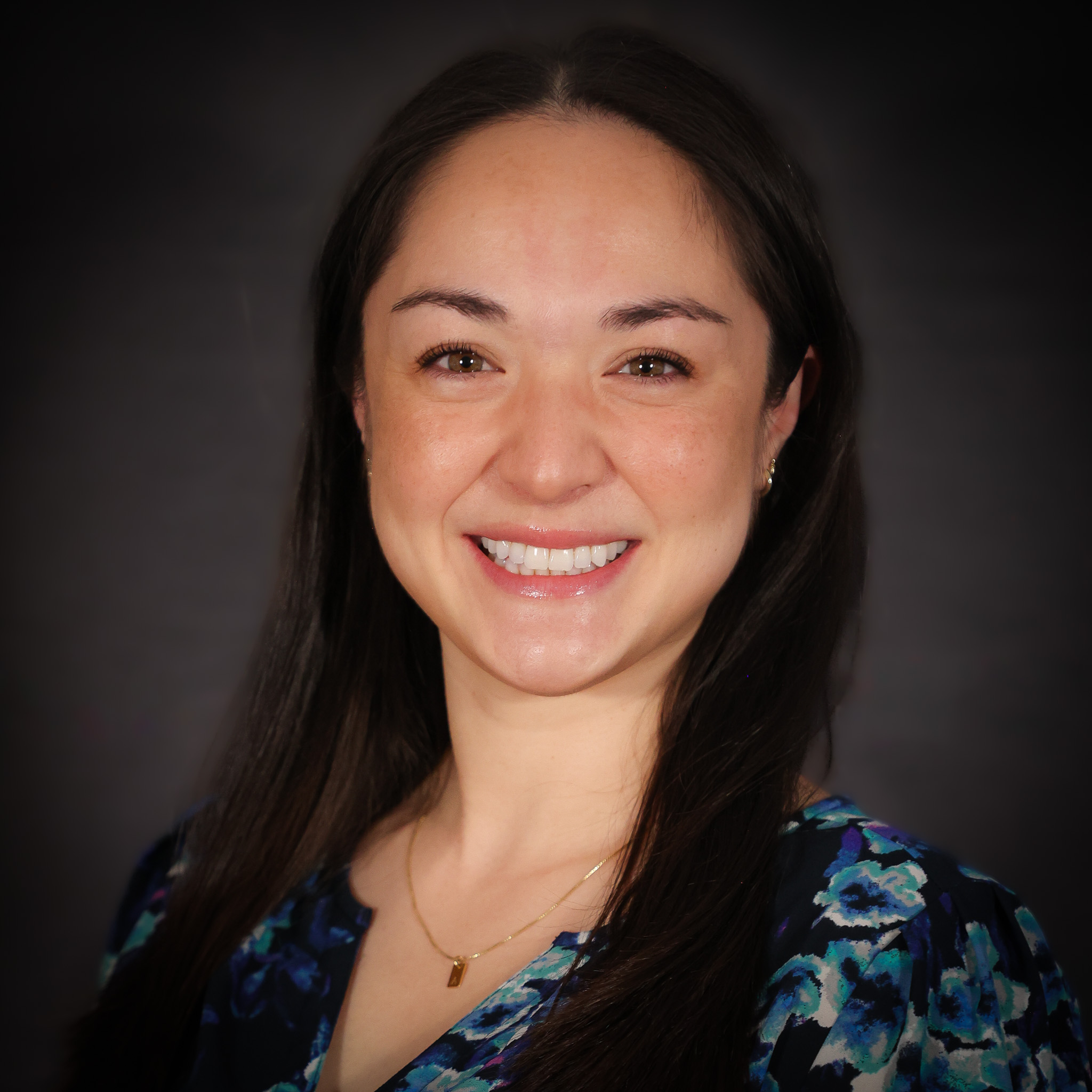
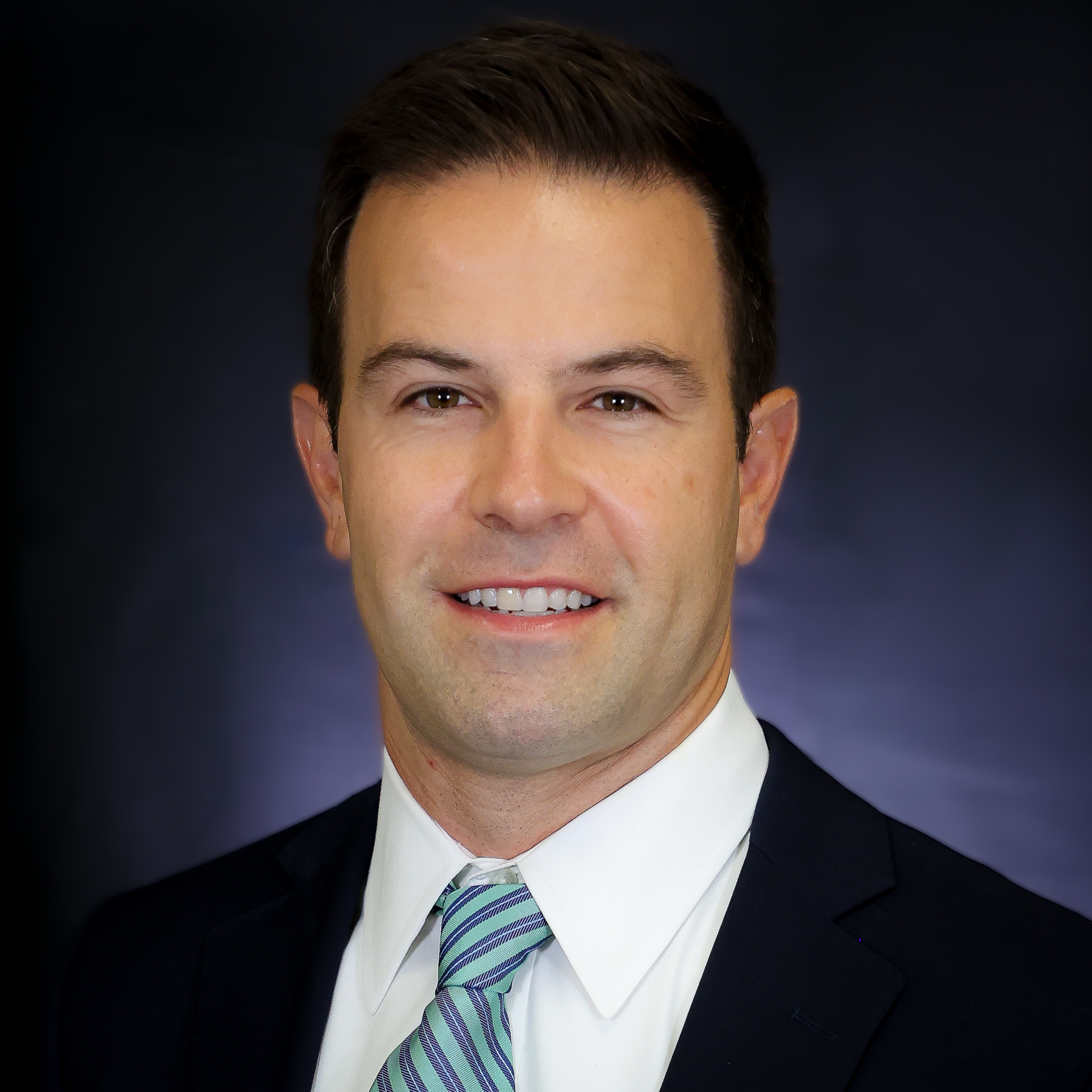

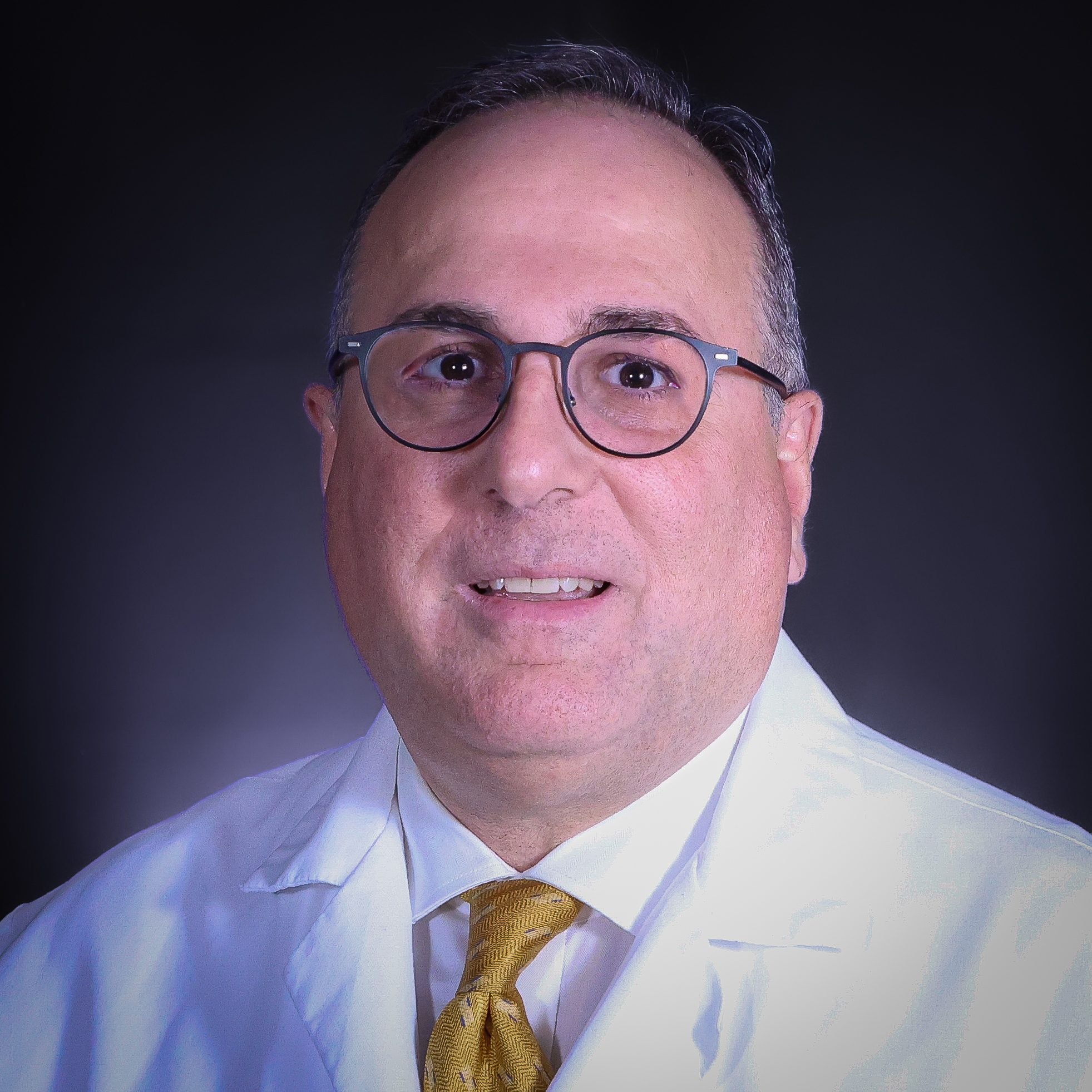
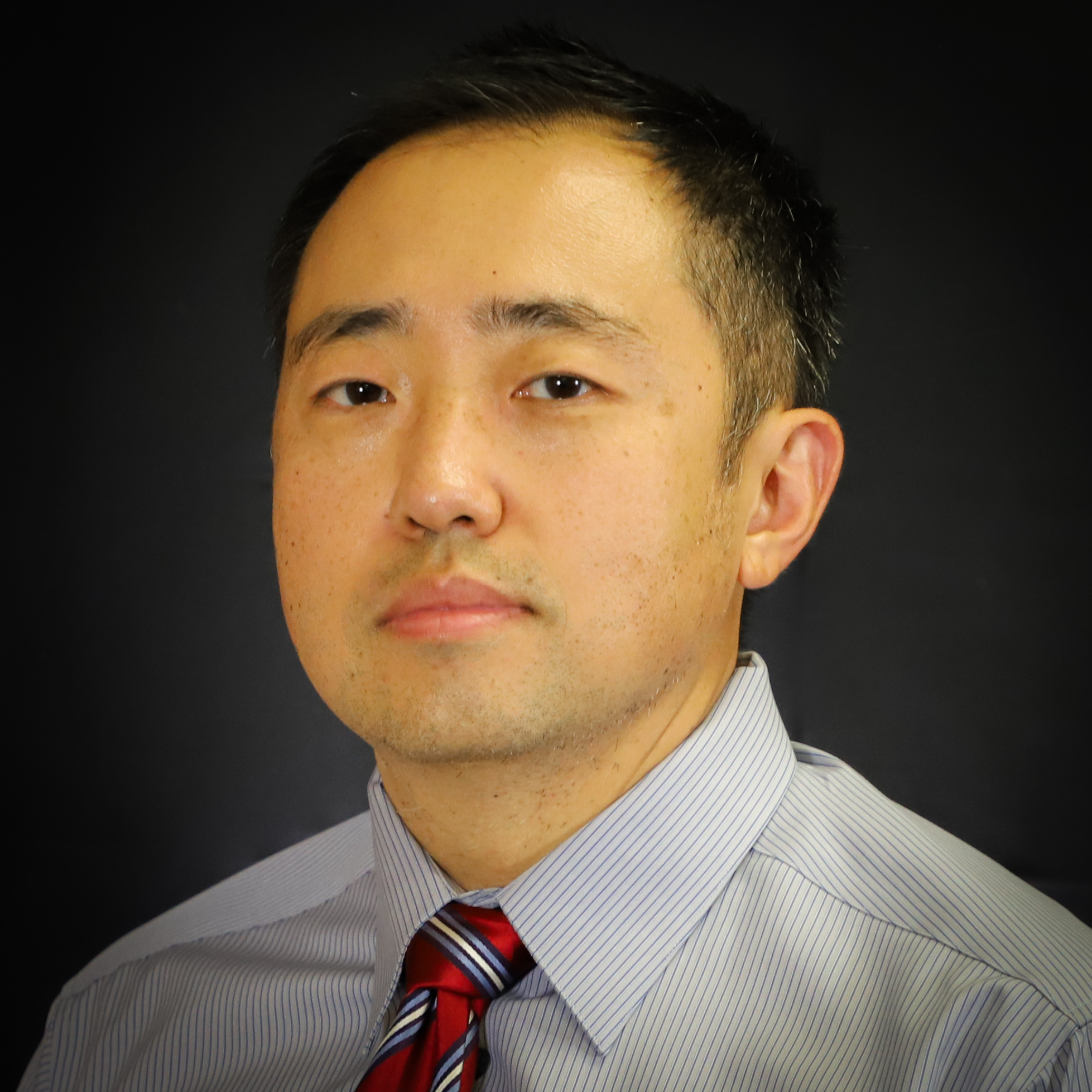






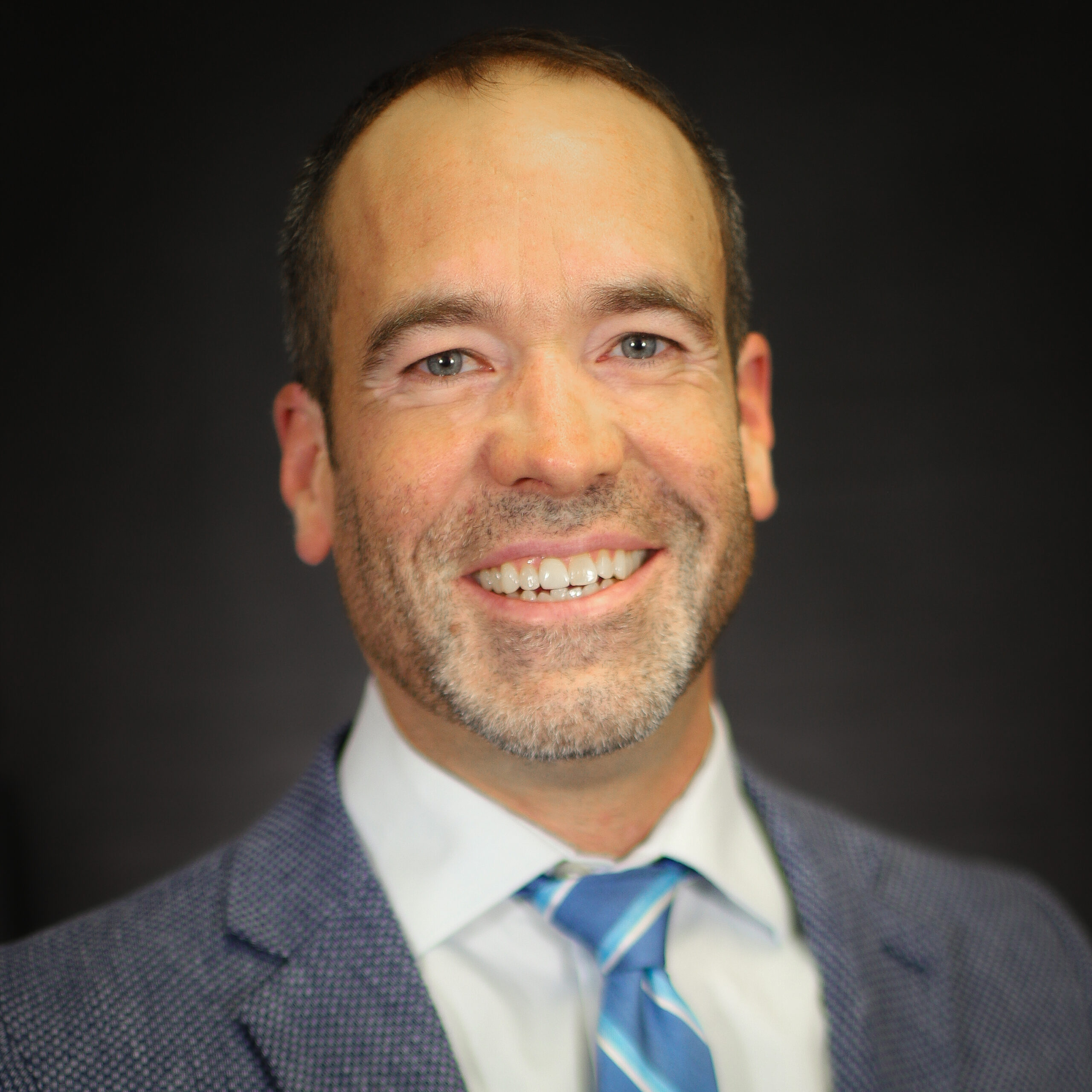




Research Staff
- Jelena Candito, CCRC
- Kim Tschida, CCRC
- Joel Leyva, CRC
- Uriel Hernandez, CRC
[/vc_column_text][/vc_column_inner][/vc_row_inner][/vc_column][/vc_row][vc_row full_width=”stretch_row” bgtype=”grey” css=”.vc_custom_1519764461449{padding-top: 60px !important;padding-bottom: 30px !important;}”][vc_column][vc_custom_heading text=”Learn More” use_theme_fonts=”yes”][vc_tta_accordion shape=”square” active_section=”1″][vc_tta_section title=”TYPES OF CLINICAL TRIALS” tab_id=”1517800564242-7c9586c9-1f61″][vc_column_text]The focus of the Tucson Orthopaedic Research Center is phase II, III, and IV clinical protocols. Our clinical trial experience and therapeutic interests includes:
- Orthopaedic devices
- Acute and chronic pain (post-surgical)
- Acute and chronic back, neck and shoulder pain
- Osteoarthritis
- Rheumatoid arthritis
- Bursitis
- Epicondylitis
- Fibromyalgia
- Foot and Ankle
- Osteoporosis
- Tendonitis
- Carpal tunnel syndrome
- Trauma
- Hip and knee disorders
- Soft tissue injuries
- Erythropoisesis stimulants
- Anti-inflammatory medications (COX-2 and other NSAIDs)
[/vc_column_text][/vc_tta_section][vc_tta_section title=”COMPANIES WE WORK WITH” tab_id=”1517800564272-2d224ae0-e8d0″][vc_row_inner][vc_column_inner][vc_column_text]The Tucson Orthopaedic Research Center has worked with numerous pharmaceutical and biotechnology companies and CRO’s, including:[/vc_column_text][/vc_column_inner][/vc_row_inner][vc_row_inner css=”.vc_custom_1517800936615{padding-top: 0px !important;}”][vc_column_inner width=”1/2″][vc_column_text]
- AAI Pharma
- Algos Pharmaceuticals
- Alza
- Amgen
- Anthrex
- Astra-Zeneca
- Auxulium
- Averion
- Bayer
- Biomet
- Biomimetic
- Boehringer
- Bristol-Myers Squibb
- Careers in Research
- CATO Research
- Cerimon
- ClinTrials Research Inc.
- Covance
- DJO
- DePuy (J&J) orthopaedics
- DePuy AcroMed (Johnson & Johnson)
- Elan
- Eli Lilly
- ESKA
- Endo
- Ferring Pharmaceutical
- Forest Laboratories Inc.
- Genzyme
- ICON Clinical Research
- INC Research
- Ingenix
- Johns Hopkins
- Johnson & Johnson
- Karl Storz
- Kendle International
- King Pharmaceutical
- Kyphon
- Medtronic
- Merck
- Neurobiological Technologies Inc.
[/vc_column_text][/vc_column_inner][vc_column_inner width=”1/2″][vc_column_text]
- Novartis
- Omeros
- Omni
- Organon
- Ortho Biotech
- Ortho McNeil
- Orthologic
- Parexel
- Parke-Davis
- Pfizer
- Pharmacia
- Pharmaceutical Resource Corporation
- PRA International
- PPD Development
- ProChon
- ProMetrika
- Purdue Pharma
- Quintilies
- Regeneron
- Research Point
- Research Services, Inc.
- RS Medical Research Services Inc.
- Sanofi-Aventis
- Sanofi-Synthelabo
- Scirex
- Searle
- SmithKline Beecham
- Smith & Nephew
- Stryker
- Stryker Howmedica
- Syntex
- Synthes
- Takeda
- TAP Pharmaceutical Products
- VertiFlex
- VQ OrthoCARE
- Wyeth
- Zimmer
- ZymoGenetics
- Others
[/vc_column_text][/vc_column_inner][/vc_row_inner][/vc_tta_section][vc_tta_section title=”ACTIVE STUDIES” tab_id=”1517801048418-f9c28877-be32″][vc_column_text]
Elli Lilly: A Lower Back Pain study looking to treat pain through Retatrutide (GLP-1 agonist) assisted weight loss and a healthy diet for non-diabetic individuals suffering from lower back pain.
Coordinator: Joel Leyva (520)784-6481 jleyva@tucsonortho.com
Achilles Tendinopathy Study using novel JAK inhibition to help with healing: (Protocol CNGI226A12201) A two part, randomized, participant and investigator-blinded, 2-arm, parallel-design, placebo-controlled study to evaluate the safety, tolerability and preliminary efficacy of NGI226 microparticles on tendon regeneration in patients with Achilles tendinopathy
Coordinator: Jelena Candito (520)250-7664 jcandito@tusonortho.com
Plantar Fibromatosis study using Xiaflex (collagenase clostridium histolyticum) to reduce pain and nodule size: (Protocol EN3835-309 PFI) A PHASE 3, DOUBLE-BLIND, RANDOMIZED, PLACEBO-CONTROLLED STUDY TO ASSESS THE EFFICACY, SAFETY, AND TOLERABILITY OF EN3835 VS PLACEBO IN THE TREATMENT OF PLANTAR FIBROMATOSIS (PFI) (ALSO KNOWN AS LEDDERHOSE DISEASE) (STRIDE)
Coordinator: Joel Leyva (520)784-6481 jleyva@tucsonortho.com
[/vc_column_text][/vc_tta_section][vc_tta_section title=”CLOSED STUDIES” tab_id=”1517801122594-273bdb1a-8a88″][vc_column_text]6/6/2018 – APS Injection for Knee OA
5/21/2018 – Injection of Gel-One® for the treatment of Osteoarthritis of the Knee
4/20/2018 – Injection for Moderate-to-Severe Chronic Low Back Pain in Osteoarthritis of the Hip or Knee
6/12/2017 – Titration Injection Regimen for Osteoarthritis of the Hip or Knee
9/27/2012 -Osteoarthritis of the Knee
9/4/2012 – Hip Osteoarthritis
7/9/2012 – Total Hip Replacement Clinical Research Study
11/4/2011 – Dupuytren’s Multiple Cords
9/4/2012 – Hand osteoarthritis
5/24/2012 – Frozen shoulder research study
6/29/2011 – Meniscectomy surgery
6/20/2011 – Investigating Superion in spinal stenosis
6/16/2011 – Foot and ankle surgery with new growth factor to facilitate bone fusion
6/14/2011 – Osteoarthritis of the knee – mild to moderate
6/9/2011 – Cartilage autograft implantation system (CAIS) for the repair of knee cartilage through cartilage regeneration
5/4/2011 – Assessment of long-term safety in patients with non-cancer-related pain and opioid-induced constipation
2/1/2011 – Influenza
8/16/2010 – Re-exposing Thrombin to patient during spine surgery to help control bleeding
8/15/2010 – Treatment for pain caused by tennis elbow with a medicated patch designed to release a specific amount of medication driven by electric current
8/14/2010 – Treatment for pain caused by a sprain with a medicated cream
8/13/2010 – The use of one’s own bone for an ankle fusion
8/12/2010 – An injection of a viscosupplement (HA) in to the knee to help control pain cause by osteoarthritis of the knee
8/11/2010 – The use of Recothrombin in patients who have already been exposed to Recothrombin having spine surgery to help control bleeding
8/10/2010 – Treatment for pain caused by an ankle sprain with a medicated patch
8/9/2010 – Treatment of pain caused by an ankle sprain with a medicated patch
8/8/2010 – A follow up on patients post Zimmer knee replacement
8/7/2010 – Intravenous infusion of an antibody to block pain caused by osteoarthritis of the knee and hip
8/6/2010 – Intravenous infusion of an antibody to block pain caused by osteoarthritis of the knee
8/5/2010 – An injection of a hyaluronic acid in to the knee to help control pain cause by osteoarthritis of the knee
8/2/2010 – Tennis elbow/ chronic elbow tendinitis
8/2/2010 – The use of Recothrombin in patients having spine surgery to help control bleeding
8/1/2010 – Injection of Xiaflex for patients with Dupuytren’s contracture
3/3/2010 – Moderate lumbar stenosis[/vc_column_text][/vc_tta_section][/vc_tta_accordion][/vc_column][/vc_row][vc_row full_width=”stretch_row” css=”.vc_custom_1519764441816{padding-top: 60px !important;padding-bottom: 30px !important;}”][vc_column][vc_custom_heading text=”Frequently Asked Questions” use_theme_fonts=”yes”][vc_tta_accordion shape=”square” active_section=”1″][vc_tta_section title=”WHAT IS A CLINICAL TRIAL?” tab_id=”1517801257665-9af0344c-162d”][vc_column_text]The Food and Drug Administration requires that clinical trials be conducted with investigational medications before it will approve their use with the general public. By conducting clinical trials and studies of investigational medication or investigational treatments, research centers help ensure that the investigational medication is effective and safe.[/vc_column_text][/vc_tta_section][vc_tta_section title=”WHO PAYS FOR A CLINICAL TRIAL?” tab_id=”1517801257718-3442dea1-8f9c”][vc_column_text]Each trial is unique. Often, clinical trials are sponsored by the company that makes the drug or device being studied. Sometimes, studies are paid for by government health agencies or research foundations looking to treat or cure a certain disease. The sponsor may pay for treatments, such as medication or examinations, necessary for the trial to occur. Also, the sponsor may pay participants for volunteering for the study.[/vc_column_text][/vc_tta_section][vc_tta_section title=”AM I ELIGIBLE FOR A CLINICAL TRIAL?” tab_id=”1517801326008-c1740ae5-c622″][vc_column_text]Every clinical trial is designed to answer a set of research questions. If you fit the guidelines for a trial, you may be eligible to take part. Each study enrolls patients with specific types of injuries, illnesses, and/or certain health status. Before you and your physician make a decision about your treatment (whether it is in a clinical trial or not), your physician will consider many things such as the stage of the illness and your general health.
Often patients are referred to a trial by a doctor who knows your case. Some patients find out about trials from other sources as well, such as advertisements. In either scenario, you must have a reasonable understanding of your role in a research study and be freely willing to participate.[/vc_column_text][/vc_tta_section][vc_tta_section title=”HOW ARE MY RIGHTS AND PRIVACY PROTECTED?” tab_id=”1517801358289-8e8706d1-2753″][vc_column_text]At the start of a trial, you will be given an informed consent form to sign. This is required by law. The consent form describes the purpose, procedures, benefits, risks, discomforts, and precautions of the study. Also, before any clinical trial can begin, it must be approved by an institutional review board (IRB). This is a group of doctors, scientists, patient advocates, legal representatives, and/or clergy who make sure there is a good scientific reason for the trial, and that risks to participants are balanced with the potential benefit.
Participation is confidential, except as required by law. The investigator for the trial may release your medical records to the sponsor and its representatives, and in certain circumstances, the FDA and the IRB. However, any publication of the data obtained in the study will not identify you by name.[/vc_column_text][/vc_tta_section][vc_tta_section title=”WHAT ARE THE RISKS?” tab_id=”1517801387625-3ccaf847-ab48″][vc_column_text]Because clinical trials are research into new areas of treatment, the risks involved are not always known ahead of time, though extreme efforts have been taken to identify what possible side effects may occur. For this reason, trials can carry unknown dangers and side effects as well as hoped-for benefits.
Patients need to know what is involved in a study, what side effects may be expected, and, as much as possible, what unknowns or uncertainties they may be facing. Side effects will often vary from patient to patient. Your doctor or research nurse will inform you about the treatments being tested and provide you with information that discusses the risks and hoped-for benefits of the clinical trial.
If you agree to take part, you will be asked to sign a form, called an informed patient consent. Before you sign, ask the doctor or nurse to explain any part(s) of the form or the trial that are unclear to you.[/vc_column_text][/vc_tta_section][vc_tta_section title=”WHAT ARE MY RESPONSIBILITIES?” tab_id=”1517801388928-26bf1daf-fd2f”][vc_column_text]Generally, you will be asked to complete visits with the physician or study manager as scheduled, take the medication as directed, and you may be asked to write down how you feel throughout the course of the study. You will be asked to contact the study coordinator at any time if you are hospitalized for any reason. You are, however, free to leave the study at any time.[/vc_column_text][/vc_tta_section][vc_tta_section title=”WHAT ARE THE DIFFERENT PHASES OF CLINICAL TRIALS?” tab_id=”1517801389703-f1735943-129f”][vc_column_text]Clinical trials are carried out in phases, each designed to find out certain information. Patients may be eligible for studies in different phases depending on their general condition and the type and stage of their illness.
In a Phase I study, a new research treatment is given to a small number of patients. The researchers must find the best way to give a new treatment and how much of it can be given safely, watching carefully for any harmful side effects. By this point, the research treatment has been well-tested in laboratory and animal studies, but very little information is available how human patients will respond.
Phase II studies determine the effect of a research treatment on various types of illnesses. Each new phase of a clinical trial depends on and builds on information from an earlier phase. If a treatment has shown activity against a particular illness in Phase II, it moves to Phase III. Here it is compared to the standard method of treatment to see which is more effective.
Often researchers use standard therapy as the base to design new and hopefully better treatments. Then in Phase III, the new treatment is directly compared to the standard treatment. In Phase IV studies, the new research treatment becomes part of standard treatment in patient care.[/vc_column_text][/vc_tta_section][vc_tta_section title=”HOW DOES TOI DECIDE ON TRIALS AND STUDIES?” tab_id=”1517801453312-7a1e8fc5-3988″][vc_column_text]The Institute carefully screens each proposal it receives, and accepts about one in each dozen opportunities to conduct research. The Research Center has completed studies for Merck, Pfizer, Novartis, Amgen, Bristol-Myers Squib, Bayer, Astra-Zeneca, DePuy, Stryker, and Zimmer, among others. The resources from the sponsors allow the doctors to more fully develop their specialties and provide a method to independently determine which treatment option is really best for each individual patient.[/vc_column_text][/vc_tta_section][vc_tta_section title=”HOW ARE PARTICIPANTS QUALIFIED?” tab_id=”1517801454199-6af3f393-4db9″][vc_column_text]Participants are qualified for studies by detailed criteria. Above all, they must understand potential benefits and risks, which is carefully explained. Prospective participants are interviewed to determine their potential for following through on all the requirements. If you would like to participate in a study or trial, please contact Tucson Orthopaedic Institute at (520) 784-6200 and ask for the Research Department.[/vc_column_text][/vc_tta_section][vc_tta_section title=”WHO OVERSEES TRIALS TO MAKE SURE PATIENTS ARE SAFE?” tab_id=”1517801454911-404f3d70-c7e8″][vc_column_text]Federal safety standards, developed and monitored by the Federal Food and Drug Administration (FDA) are rigorously applied. Privately run trials must pass scrutiny of the Human Subjects Committees, which make sure that patients will not be exploited; Contract Research Organizations (CROs) hired by the sponsor to monitor the research site; and Site Management Organizations (SMOs), independent contractors, looking for sites around the country and managing them during the study.
The Tucson Orthopaedic Research Center is directed by a licensed medical doctor, with over ten years of experience in research and the oversight of clinical trials. This physician is dedicated full time to the Research Center and is supported by experienced, licensed registered nurses who are certified as research coordinators by the Association of Clinical Research Professionals (ACRP).[/vc_column_text][/vc_tta_section][vc_tta_section title=”WHAT TRIALS AND STUDIES ARE CURRENTLY BEING CONDUCTED?” tab_id=”1517801455631-2b2b3334-8f85″][vc_column_text]A list of active studies: If you would like to participate in a study or trial, please contact Tucson Orthopaedic Institute at (520) 784-6200 and ask for the Research Department.[/vc_column_text][/vc_tta_section][/vc_tta_accordion][/vc_column][/vc_row][vc_row css=”.vc_custom_1519935392205{padding-top: 60px !important;padding-bottom: 30px !important;}”][vc_column][vc_text_separator title=”View All Media”][vc_btn title=”Hip or Knee Still Hurting?” style=”outline-custom” outline_custom_color=”#457326″ outline_custom_hover_background=”#457326″ outline_custom_hover_text=”#ffffff” shape=”square” align=”center” css_animation=”none” link=”url:https%3A%2F%2Ftucsonortho.com%2Fwp-content%2Fuploads%2F2018%2F01%2FSkrepnikNebojsaV._Advertisement_ICO1-16-029_Advertisement-Study_2016-04-26-1.pdf|||” css=”.vc_custom_1555452898008{margin-bottom: 0px !important;padding-bottom: 0px !important;}”][/vc_column][/vc_row][vc_row full_width=”stretch_row” parallax=”content-moving” parallax_image=”6954″ parallax_speed_bg=”2″ el_id=”contact_request_tabs” css=”.vc_custom_1519945790913{padding-top: 60px !important;padding-bottom: 0px !important;}”][vc_column][vc_tta_tabs][vc_tta_section title=”Clinical Research Study Interest form” tab_id=”1553201220627-6bdc0c4c-27b6″][/vc_tta_section][/vc_tta_tabs][/vc_column][/vc_row]