Physician Highlight: Meet Dr. Edward Petrow!

Meet one of Tucson Orthopaedic Institute’s excellent Total Joint Replacement surgeons, Dr. Edward Petrow! When he is not in the gym working out or boxing, he focuses on helping patients improve their quality of life. Dr. Petrow has been with TOI for nine years and is bringing some of the newest and most advanced technology to the game: the MAKO® Robot. Dr. Petrow is going into his second year using the MAKO® when performing total hip, partial knee, and total knee replacement surgery.

With a smile, he describes orthopaedic surgery as “glorified carpentry.” Rods and blocks were the previous tools to use when performing this type of surgery. Today it has evolved into the use of lasers and robotics to measure and build with much higher accuracy.  The way Dr. Petrow describes and talks about the use of this technology shows his true passion for orthopaedics; this passion led him to become the first physician in Southern Arizona to perform a robotic anterior hip replacement. This type of hip replacement has the surgeon approaching from the front instead of the side or back. This approach allows the surgery to be done through a smaller incision which summits to less pain, less muscle trauma, a shorter hospital stay, and an easier and shorter recovery.

When asked why Dr. Petrow enjoys being an orthopaedic surgeon, he could not form the exact reason into words. “It’s like asking someone why your favorite color is your favorite color,” he joked. Aside from being a Racecar Driver, or a Rock Star, he cannot see himself doing anything else; he truly enjoys helping patients and finds total gratification in helping them get back to activities they might not have enjoyed in years!

To learn more about Dr. Petrow and the MAKO® Robot, please visit: http://tucson-old.levoengage.com/doctors/edward-p-petrow-jr-do-hip-knee-surgeon/ 

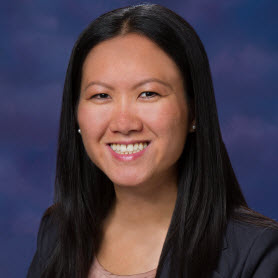
Physician Highlight: Meet Dr. Natalie Hua!

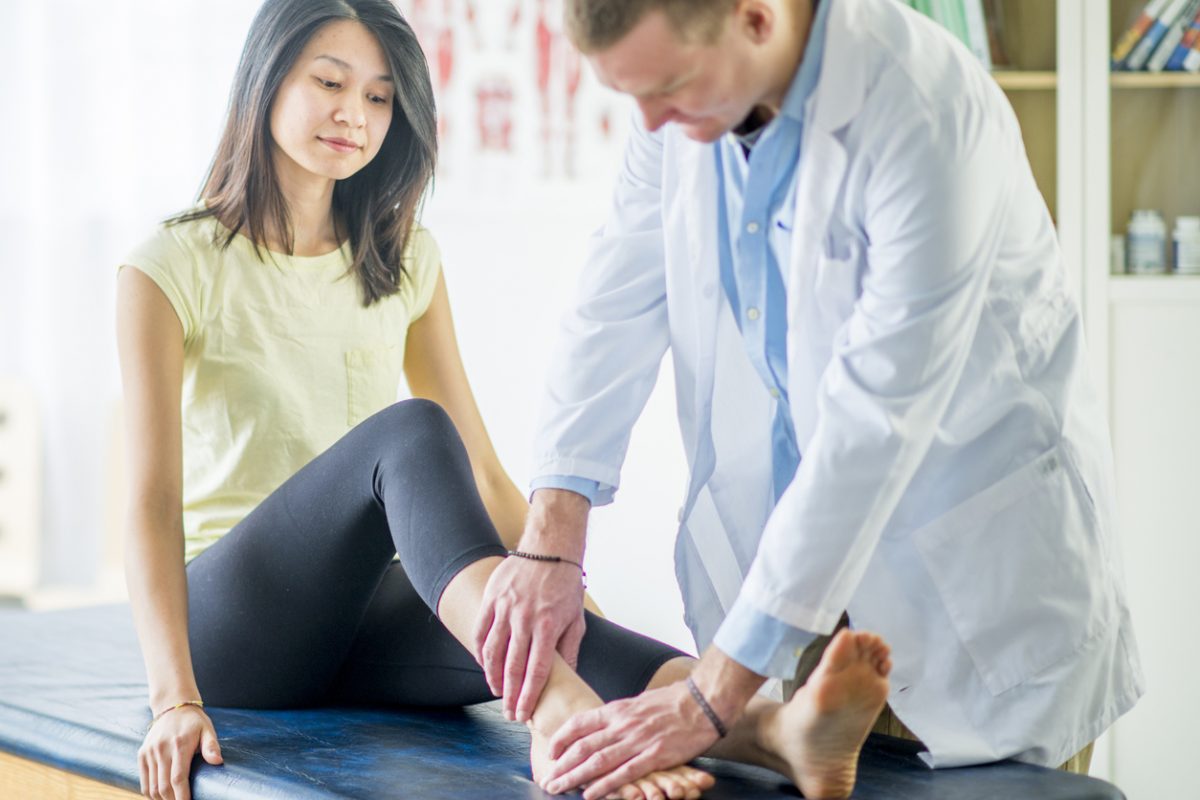
Meet Tucson Orthopaedic Institute’s surgical foot and ankle podiatrist, Dr. Natalie Hua! Dr. Hua offers both nonsurgical and surgical treatments for foot and ankle ailments and injuries, treating patients of all ages. Dr. Hua treats many different types of foot and ankle conditions including: ingrown toenails, bunions, hammertoes, sports injuries, fractures, tendonitis, tendon ruptures, and many more! Dr. Hua emphasizes that every patient is different, and she does not approach patients with a “one shoe fits all” mentality. She always evaluates each patient individually and provides specific recommendations based on the severity and duration of the foot and/or ankle condition. Her number one goal at TOI is to help patients achieve a pain-free life that leads to healthiness and happiness.

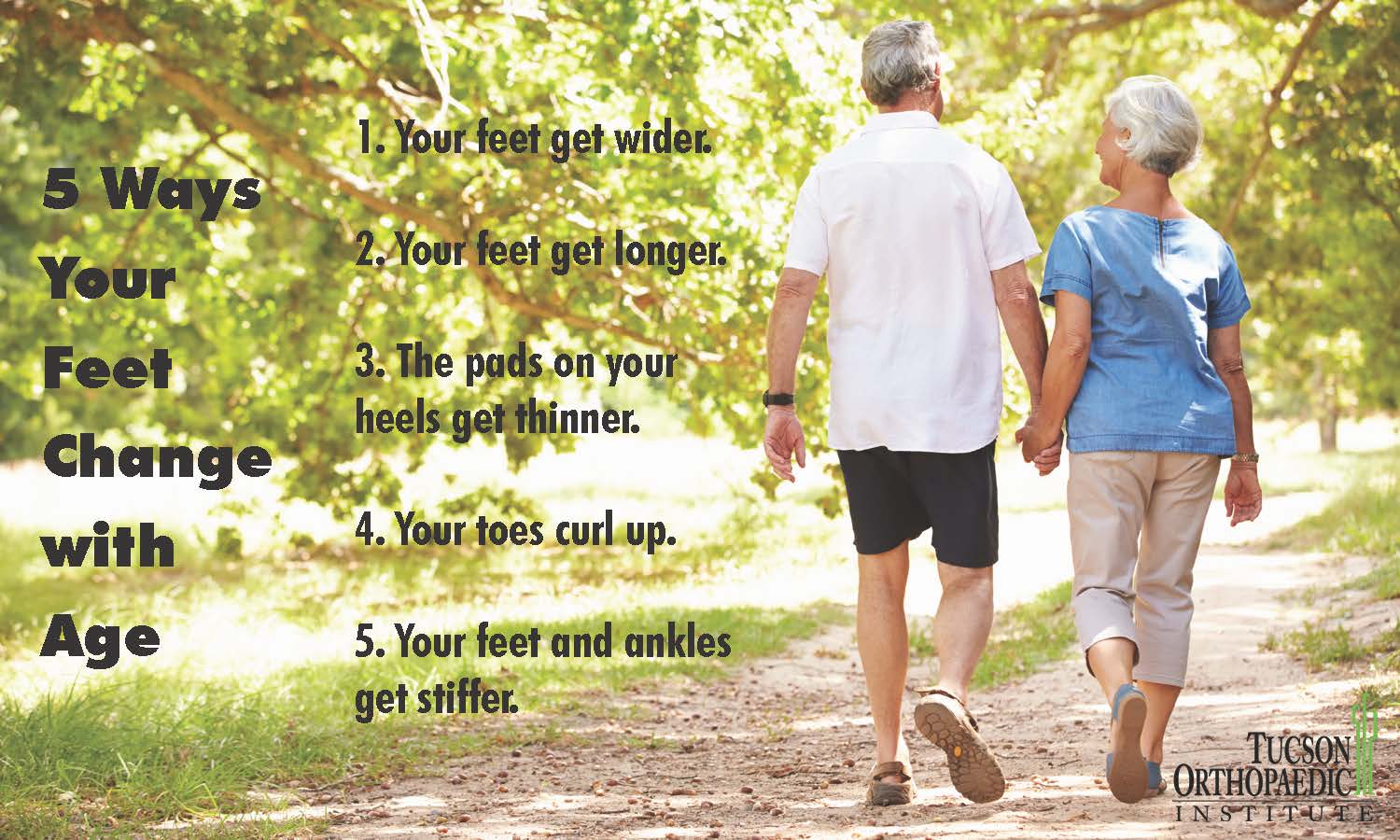
Did you know both feet make up about a quarter of all 206 bones in the human body? Each foot contains 26 bones, 33 joints, 19 muscles, 10 tendons, and 107 ligaments. Dr. Hua enjoys knowing every complex detail, structure, and different problems patients might have with their foot or ankle. Within her practice, she is always conservative in her treatment approach, suggesting nonsurgical treatments first, and only recommending surgery as a last resort.

Outside of TOI Dr. Hua has a strong passion for hiking, traveling, sewing, scuba diving and creating artwork. If you ever get the chance to see her at TOI’s St. Mary’s or East locations, her beautiful artwork can be seen throughout the clinics.

Dr. Hua sees patients out of TOI’s St. Mary’s, East and Rincon locations. To learn more, or to request an appointment with Dr. Hua, please visit: http://tucson-old.levoengage.com/doctors/natalie-t-hua-dpm-foot-ankle-surgeon/

Patellofemoral Pain Syndrome (PFPS)

10 Dec 2018 Physical Therapy


What is Patellofemoral Pain Syndrome (PFPS)?

PFPS is one of the most common causes of chronic knee pain. It is most common among young athletes, runners, bicyclists and less-active teenage females. However, anyone is at risk, especially those who tend to be more “knock-kneed” or overweight. It occurs when the outside of your hips are weaker than the inside of your hips and the front of your thighs. This muscle imbalance causes the knees to come together more than they should.

What are some of the symptoms of Patellofemoral Pain Syndrome (PFPS)?

Usually, pain is on the front of the knee, around and behind the kneecap. Sometimes there is popping and crackling, and in severe cases the knee may buckle. Chronic PFPS may lead to patellofemoral osteoarthritis

Symptoms are triggered by activities that load the knee-cap such as:

  • Going Up/Down stairs
  • Jumping
  • Running
  • Squatting
  • Prolonged sitting with the knees bent

What can I do to help resolve or prevent Patellofemoral Pain Syndrome?

  • Strengthen your hips! Your side hip muscles, called the abductors and external rotators are part of your glute muscles. These muscles balance your knee joint angle, bringing the knees out to reduce the pull of your inner leg muscles on your kneecap, which reduces pressure on the knee joint. These muscles also help stabilize your trunk when you walk and help with balance and strength on one leg, such as when you run, go up/down stairs, and jump during sports. Keeping them strong will help you rise from a chair, assist with climbing stairs, and help you walk faster. Exercises such as single leg balance and squatting, walking sideways with resistance bands, side-lying leg raises, or side planks can all help engage these muscles. Squatting by sending your hips far back and keeping the toes turned out with a wide stance target the side glute muscles as well.
  • Strengthen your front leg muscles! Your front thigh muscle, the quadriceps, help to decrease load and absorb forces through the knee joint. Work on strengthening the quadriceps by exercises such as squatting, lunging, leg press, straight leg raises, forward planks, terminal knee extensions, and step-ups are just a few ideas.
  • If you are overweight, trim off the fat! Focus on shedding excess weight with healthy eating choices and exercise. When walking, the forces going through your knee can be at least 1.5 times your body weight on even ground. So losing a few pounds can greatly help decrease the compression forces, and pain, in your knee.
  • Wear good shoes! Shoes that are worn down, don’t fit well or that aren’t supportive increase the stress to your knees. Pick up your shoe and look at the bottom of it. If one area is really worn down than other parts, consider it time to invest in a new pair of shoes to help your foot hit the ground evenly again. When your feet turn in towards each other, it changes the angle of your knees to come in together more, causing PFPS.
  • Warm up! Before doing more aggressive activities, warm up your body for 5-10 minutes to increase blood supply to your muscles. You are less likely to cause injury when muscles are more pliable and warm.
  • Plyometrics! Once your hips and thighs are strong enough, you can move into higher level activities such as jumping/hopping exercises called plyometrics.
  • Strengthen your core! Slowly stepping up and down a high step with mindful control, or holding a plank on elbows and toes are all great for strengthening both the core and hips.
  • Watch yourself! Using a mirror is helpful to ensure your knees are aligned properly because good form is key to strengthen the hips and thighs properly.
  • Ice! Ice your knees 15 minutes after activity to reduce the onset of inflammation that could lead to pain.


Treating Arthritis: Making Gains Against The Pain

Although there are 100 types of arthritis, and many forms of treatment, research is getting us close to significant improvements in care. Here are some of the local developments that offer hope.

Arthritis is America’s number one cause of disability, costing the U.S. economy more than $128 billion a year, according to the Arthritis Foundation. The organization’s Southern Arizona Chapter reports that in Arizona alone, approximately 1.1 million people have some form of the disease. Six thousand of those are children.
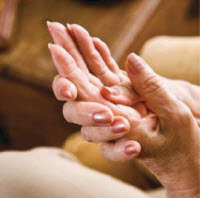
Considering how prevalent the disease is, there’s still much research, education and drug testing to be done. Arthritis is complicated – it has 100 different forms, including many autoimmune disorders; it can be difficult to diagnose; and despite the number of drugs on the market, there’s no single treatment that works for everyone.

“Arthritis is a Greek word meaning ‘swelling of the joint,'” says Susan Sweeney, executive director of the Arthritis Foundation’s Greater Southwest Chapter. “Osteoarthritis (OA) is the number one disease in our group; rheumatoid arthritis (RA) is second. Then there’s lupus, which can be of the skin or different kinds; fibromyalgia; or psoriatic arthritis,” the type PGA player Phil Mickelson was diagnosed with in 2010. Autoimmune forms of arthritis have very different causes than OA, but they generally all create joint pain.

Two local medical groups are aggressively pursuing advancements in the field of arthritis, with cutting-edge research being conducted at the Arizona Arthritis Center and innovative patient treatments being done at Tucson Orthopaedic Institute (TOI).

Located on the University of Arizona College of Medicine campus, the Arizona Arthritis Center is headed by Eric Gall, MD, the center’s founder and current interim director.
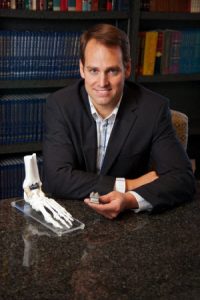
He says the main focus at the center is immunology and inflammation. A current study, led by John Szivek, MD, is exploring a new treatment for OA patients. “Dr. Szivek worked with artificial joints early on. Now he’s studying re-growth of cartilage in damaged joints using non-controversial stem cells,” Dr. Gall explains. “They’re taken from the fat of the abdomen, he grows them and reintroduces them to grow into new cartilage. This is a new approach in this area. His lab is waiting to be FDA approved to do the study in humans.”

Other research underway at the center includes investigating how to control lupus, clinical studies on pharmaceuticals and a look at valley fever in arthritis patients who are on biologic agents. “Fungal infections can come out in these patients,” and they must go off the drugs, Dr. Gall says. In the past, there’s been uncertainty about whether the patients could continue treatment after valley fever symptoms dissipated. “We’re asking, can you treat again after going off the drug?”

Physicians at Tucson Orthopaedic Institute are attracting attention for three progressive procedures that help those with deteriorating joints. Eric Anctil, MD is performing the Scandinavian Total Ankle Replacement (STAR) surgery, which results in greater range of motion than what’s achieved with other options.

The STAR device, states Dr. Anctil, “is the only implant that’s mobile bearing.” Other ankle replacement devices are fixed bearing and therefore limit motion, as does ankle fusion. The procedure was developed by a Danish surgeon and has been commonplace in Europe and Canada for 15 to 20 years. The Food and Drug Administration approved the technique in the U.S. two years ago.

Anctil moved to Tucson from Canada, where he’d been performing the surgery for years. “When I first came here, I didn’t use another replacement; I waited for the FDA approval. I was the first one in Arizona to do it. Now there are one or two doctors who do the procedure in Tucson and some in Phoenix,” he says.
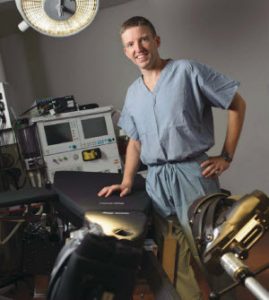
Those who have put off hip replacement surgery in anticipation of something less invasive now have another option, currently being performed by Edward Petrow Jr., DO. “With anterior hip replacement (AHR), instead of cutting muscle to get to the hip joint, we move the muscle to the side from the front. It’s a quicker initial recovery and patients are off the cane or walker in the first week or two. Other advantages are that there are no hip precautions and a much lower risk for hip dislocation.” The incision, he says, is 8-10 centimeters.

Using real time X-ray makes the surgery more precise. “We use the opposite hip as a template to match leg length,” an issue which occasionally arises with other hip replacement techniques, Dr. Petrow notes. AHR is done on a special surgical table that allows extension of the patient’s leg downward, thus giving front access to the hip.

Like Dr. Anctil, Dr. Petrow moved to Tucson from an area where the surgery already was being performed. “I came from Virginia and did it there. I was surprised more people weren’t doing it here.” Dr. Petrow’s primary obstacle was convincing Hospital administrators to purchase the special table at a cost of $70,000 to $120,000, which they eventually did.

The surgery also requires special training. After performing approximately 40 AHR surgeries during his last year in Virginia and a dozen here, Dr. Petrow believes he’s the most experienced AHR doctor in Tucson. “It’s now sweeping the country,” he adds.

Just approved by the FDA is an innovative procedure for improving ee s, one that uses vitamin E to extend the life of the device. When this article was written, Scott Slagis, MD was the only Tucson doctor lined up to perform the surgery, which will begin once the implants are shipped. He explains that plastics in joint replacements are generally radiated during manufacturing to make them more durable. But radiation releases free radicals into the plastic, which can lead to oxidation and subsequent wear.

“You add vitamin E, which is an antioxidant, and it neutralizes the free radicals. It then may last longer and be stronger,” Dr. Slagis reports. He says the procedure is not age restricted, but it’s especially good for younger, active patients because of its longevity.

Dr. Slagis has seen small advancements in knee replacement procedures, which he’s been performing for 20 years. But he believes the vitamin E implant could prove to be significant. “This is one that may have profound implications,” he says.

Children With Arthritis

Although support programs abound for kids with arthritis, medical attention can be harder to come by, with a shortage of doctors nationwide.

“There are no board-certified pediatric rheumatologists in Southern Arizona, states Deborah Jane Power, DO, of Catalina Pointe Arthritis and Rheumatology Specialists, P.C. “I’m the only rheumatologist in Southern Arizona willing to see kids with juvenile arthritis 15 and younger.” She and her partners also treat adults with RA and OA.

Power explains the differences between the two: “Osteoarthritis is a degenerative, wear-and-tear condition. Some is genetic, some caused by obesity or trauma and bad injuries, such as sports related. The distribution in the body is knees and hips, the base of the thumb and the joint closest to the fingernail.” While she said there are no drugs that slow the progression of OA, taking anti-inflammatory drugs can help, as can exercise.

“Rheumatoid arthritis is an autoimmune disease that starts in the joint. The body attacks the joint lining in the synovial capsule.This causes swelling, pain and loss of range of motion. It’s whole-body inflammation.You also can have fatigue and a low-grade fever,” Power notes.

Nutrition plays a part in arthritis, as well, she says. “Dr. Andrew Weil believes dairy is inflammatory. Things like turmeric, garlic, cayenne and green tea help with inflammation, so patients can be given that. Foods in the nightshade family cause inflammation — tomatoes, potatoes and eggplant.” She suggests that people with RA and other autoimmune diseases avoid gluten, as it can stimulate the immune system.

Arthritis Foundation – Greater Southwest Chapter

The foundation’s primary goals, notes Executive Director Susan Sweeney, are to increase awareness of the disease, raise funds for research and provide local support for people with arthritis. “Money raised in Tucson stays to provide programs and services in Southern Arizona,” she says. These include seminars, health fairs, exercise classes, educational material, referrals, scholarships and kids’ camps — all coordinated out of the Arthritis Foundation’s office at 310 S. Williams Boulevard.

“We have community education classes where a physician and I go out to senior centers, senior communities or to the work place. One big thing we do is arthritis exercise classes. Water exercise and Tai Chi are especially good choices for arthritis patients. We train instructors and have partnerships with Tucson Parks & Recreation, for example.”

Often, it can take eight weeks to see a rheumatologist, according to Sweeney, and people want information on the disease while they wait. “We send them support group information, Arthritis Today magazine and a drug guide from the national office.” Her staff can refer callers to one of eight rheumatology groups in town.

Major fundraising events for the foundation include the Arthritis Walk, held each spring; the Jingle Bell 5K Run & Fun Walk in December; and a newcomer last year, the Surgeons vs. Chefs Pumpkin Carving Contest.

Chris Stead, local Arthritis Walk coordinator, reported that this year’s event drew more than 500 participants and raised approximately $40,000 through pledges, donations and sponsorships. Held at Brandi Fenton Memorial Park on May 7, 2011, the one-mile walk was kicked off by Mayor Bob Walkup, followed by entertainment and activities.

“We had community vendors and booths like Sam’s Club, Desert Diamond Casino and orthopaedic teams,” notes Stead. Ronald McDonald performed magic tricks for the kids, a disc jockey played music and a splash pad cooled everyone Down. “There was a dogathon, and K-9 Loyal Companions gave doggie massages. Dogs get arthritis, too,” Stead remarks.

This year’s holiday-themed 5K fundraiser is slated for Dec. 3 at Reid Park, he says.“It’s a timed run, people dress in holiday gear and we give awards. There’s also a contest with dogs; you can dress up your pet. Funds help with juvenile arthritis family camps and other programs.”

The foundation holds three camps each year: Camp Cruz, a week-long summer camp for 11 to 16 year olds in New Mexico; an overnight camp for younger kids; and a family camp held locally.

As published in Tucson Lifestyle Magazine, December 2011

Written by Christy Krueger
How Can Physical Therapy Help to Avoid Surgery?

While surgery is sometimes the only way to treat a physical condition, the more conservative approach is to first try physical therapy. If physical therapy eliminates your pain or helps you heal from injury, there may be no need for surgery. And, if you do need to undergo surgery, pre-surgical physical therapy can often put you into better physical condition to withstand the surgery, and possibly help provide a better recovery outcome.

Surgery and Other Invasive Procedures Carry Risks

The fact is, anytime an invasive procedure is performed on a patient, there are risks. Although the exact risks often depend on the exact type of surgery you are having, here are just a few general risks surgery exposes you to:

·        Whenever your body is cut open, it exposes you to the possibility of infection

·        Bleeding problems can occur during surgery

·        Blood clots can be caused by surgery

·        Occasionally, complications from the anesthesia may occur if the patient has a reaction to   anesthesia drugs.

·        Anesthesia can cause aspiration, or breathing food or fluid into the lungs. This can be serious.

·        Anesthesia can cause elevated heart rate and blood pressure in some patients during surgery

Physical Therapy Benefits

Physical therapy has long been used as a conservative treatment before surgery is considered. Now, medical studies are showing that physical therapy can sometimes be as effective as surgery:

·        Studies have shown that physical therapy can be as effective as surgery in providing pain relief for some lower back conditions, such as spinal stenosis.

·        The New England Journal of Medicine published a study that found physical therapy to be as effective as surgery for treating meniscal tears and knee osteoarthritis.

·        A study conducted at Thomas Jefferson University Hospital found that patients with degenerative disk disease responded as well to physical therapy as to surgery.

·        Physical Therapy has been found to successfully treat patients suffering from carpal tunnel syndrome

As more studies are completed, many doctors believe physical therapy may provide a non-invasive method of treatment for many patients, allowing them to avoid surgery.

Physical Therapy Helps Your Body Heal Itself

Our bodies are designed to heal themselves of certain conditions, given the proper treatment options and nutrition. Surgery should rarely be the only treatment offered, unless it is an emergency situation.

Doctors are recognizing that physical therapy treatment plans are effectively helping their patients. Part of this is because treatment plans can be custom-designed for the patient’s individual goals, needs, and challenges.

As researchers discover the positive impact of physical therapy on patients’ conditions, instead of undergoing surgery, more doctors are recommending physical therapy, first, as a non-invasive, more gentle way of healing the body.

If you are considering surgery, and are looking for less invasive treatment options, contact the Tucson Orthopaedic Institute to schedule an appointment today. Visit one of our several area locations, to be examined by one of our highly qualified, board certified orthopedic surgeons. Our goal is to provide the most appropriate, least invasive treatment necessary for your condition.

Can Physical Therapy Help Your Back Pain?

Surprising Results When a Scientific Study Compared Surgery with Physical Therapy (Exercise) for Back Pain Treatment

A study on patients suffering from lower back pain due to lumbar stenosis (a narrowing of the space inside the lowest part of the spinal canal) was conducted on 169 Pittsburgh-area men and women with lower back pain due to lumbar spinal stenosis. All agreed to have surgery. Half would have surgery immediately, while the other half would wait. While waiting, the second half of the study group participated in a specifically designed physical therapy program, rather than going through with the scheduled surgery.

Both groups showed the same benefits throughout the recovery period, from 10 weeks after surgery to two years later. Both groups had no difference in pain levels and physical function.

Meanwhile, the surgery group had twenty-two participants (25%) who experienced surgery-related complications like repeat surgery or a surgery-related infection, while eight of those in the physical therapy group (10%) reported worsening symptoms as a complication.

This study shows that physical therapy, or exercise, is as effective as surgery for many patients with certain low back pain.

Standard Care: Conservative Treatment for Back Pain, Before Considering Surgery

Usually, doctors will try to initially treat back pain with conservative measures. Some of these treatment methods include:

·        Pain relievers

·        Anti-inflammatory medications

·        Injections of corticosteroids

If these methods fail, they will most often recommend surgery to their patients.

Many Doctors Now Consider Physical Therapy/Exercise as Part of Treatment Plan to Treat Back Pain Patients

Many doctors now consider a well-designed physical therapy program as an important step to treat patients with back pain, before making any final step toward surgery.

This, of course, depends on the cause of the back pain, and the overall condition of the patient’s health. For instance, immediate surgery may be necessary if there is so much pressure on the nerves that:

·        It becomes difficult to control bladder or bowel function

·        Muscles around the pelvis or upper legs become weak

·        Pain can’t be controlled with strong medicine

In these cases, surgery may be the only option for relief.


What to Expect If Your Doctor Recommends Physical Therapy or Exercise

If your physician considers you to be a good candidate for physical therapy or exercise to relieve your back pain, there are a few things you should know.

First, congratulations. You may be able to avoid surgery or medication to treat your back pain. Surgery may seem like the definitive fix, but it’s never a guaranteed success, and there is always a possibility for complications with any surgical procedure.

Second, any exercise or physical therapy program will not only be difficult at first, it is likely to cause pain. This is because your back pain may have caused you to limit certain movement. When your therapy has you begin to move all those muscles and ligaments again, they will be stiff and sore. It is the old story of “no pain, no gain”.

Also, if patients do not perform all recommended exercises or do not devote enough time to their program, physical therapy or exercise is not likely to alleviate pain.

However, if you commit to your physical therapy or exercise program, you should eventually find relief, just like the participants in the scientific study. Also, you will find continued exercise beyond the assigned therapy time may, in fact, further strengthen you back and help you to maintain better posture, which should help to prevent recurring pain.

Lastly, never engage in any physical therapy or exercise program when you are experiencing back pain without your doctor’s approval. This is very important, as your doctor will be able to determine exactly what you should, and should not do with your back.

If you are experiencing back pain, request an appointment at the Tucson Orthopaedic Institute at the location nearest you, to be examined by one of their highly qualified, board-certified orthopedic surgeons. They will use the latest diagnostic tools and years of experience to determine the cause of your pain, and suggest the best treatment options available. You deserve to live a pain free life.

You Could Be Suffering From Plantar Fasciitis

If you are experiencing these types of symptoms, you may be suffering with Plantar Fasciitis.

What is Plantar Fasciitis?

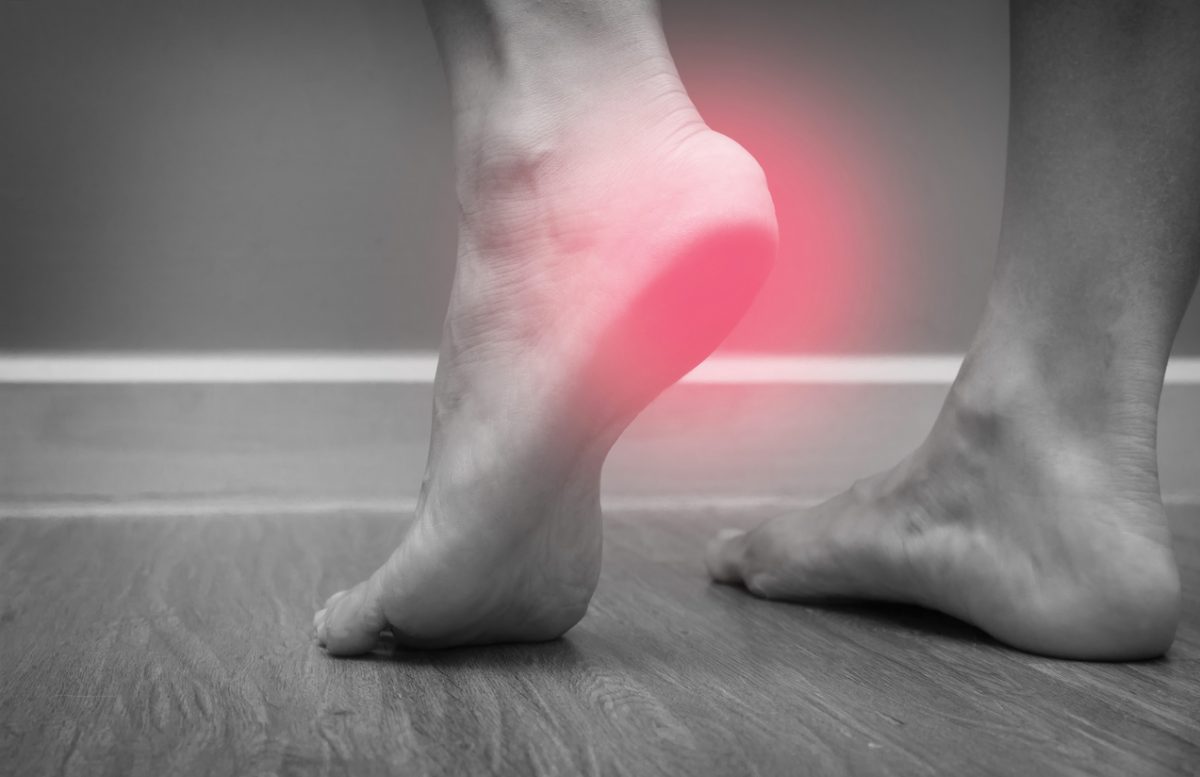
Plantar fasciitis is the most common cause of pain in the heel and bottom of the foot.  It is estimated to affect 1 in 10 people at some point in their lifetime, and most commonly affects people between 40-60 years of age.

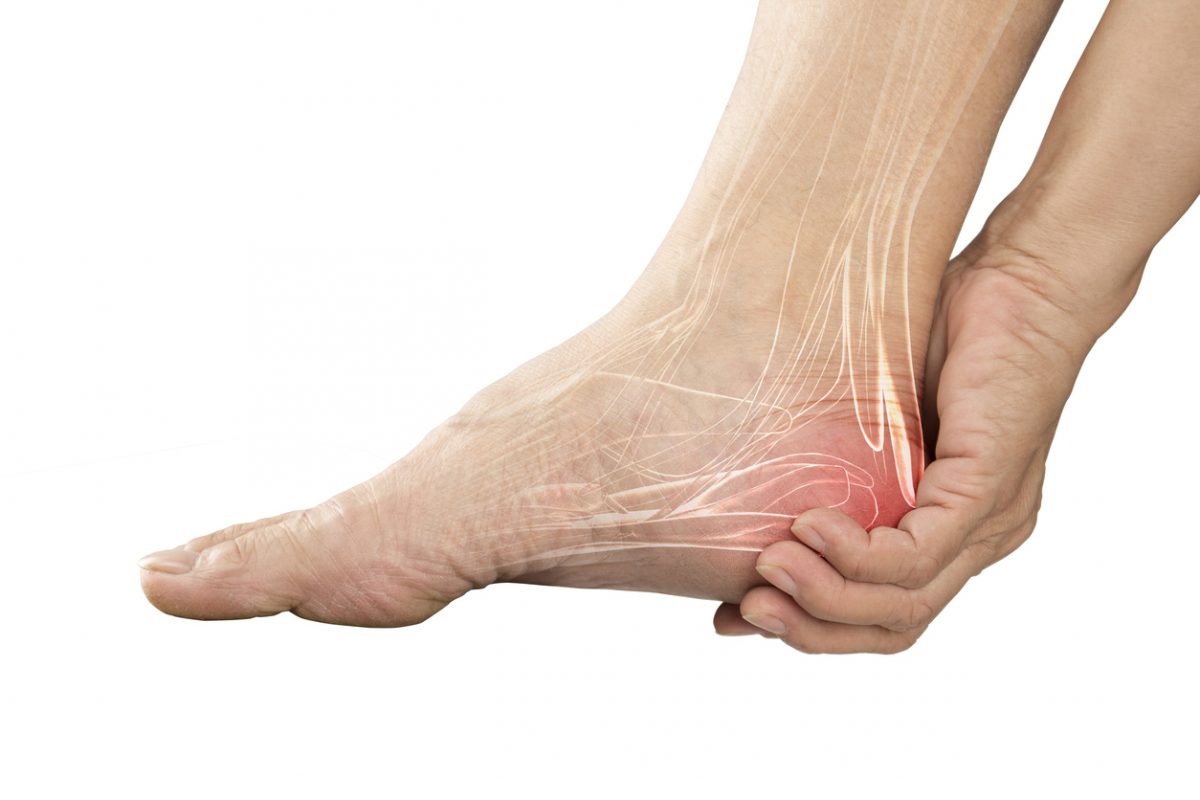
Running along the bottom of your foot is a thick band of tissue, a ligament that connects your heel bone to your toes. This is called the plantar fascia. The plantar fascia supports the arch of your foot.

Plantar fasciitis is an inflammation of the plantar fascia. This inflammation is thought to be caused by tiny, microscopic tears that occur in the fibrous tissue by straining that ligament. It is more common in people who are overweight, and those who wear shoes with inadequate support. If you have plantar fasciitis, you may notice that the sole of your foot hurts more as the day goes on, hurting the most when you climb stairs or stand for an extended period.

Even More Risk Factors

Repeated strain on the plantar fascia ligament can cause pain and swelling. This is more likely to happen if:

·        Your feet roll inward too much when you walk (excessive pronation)

·        You have high arches or flat feet

·        You are overweight

·        You wear shoes that don’t fit well, or are worn out

·        You have tight Achilles tendons or calf muscles


Treatment for Plantar Fasciitis

The cost of treating plantar fasciitis in the United States has been estimated at about $284 million each year. And, since plantar fasciitis is caused by stress placed on the foot by the mechanics of walking, no single treatment works best for everyone. Fortunately, about 90% of plantar fasciitis cases will improve within six months with conservative, non-invasive treatment. Some of the more common treatments include:

·        Rest

·        Applying heat

·        Applying ice

·        Calf-strengthening exercises

·        Techniques to stretch calf muscles, Achilles tendons, and plantar fascia

·        Weight reduction in the overweight or obese

·        Nonsteroidal anti-inflammatory drugs (NSAIDS)

·        Custom-fit orthotics/shoe inserts

It is important that you receive a specific diagnosis and subsequent treatment for plantar fasciitis from your doctor, as ignoring this condition may result in chronic heel pain that hinders your regular activities. Implementing your own, unscientific methods of minimizing the pain, like altering the way you walk, might lead to foot, knee, hip or back problems.


If you suspect you may have plantar fasciitis, request an appointment online to visit Tucson Orthopaedic Institute. Come visit the ortho specialists to diagnose your foot pain, at one of our several area locations. You deserve to continue your life with full mobility, and pain free feet will help keep you going!

Could Your Foot Pain Be Caused by a Problem With Your Back?

While it doesn’t seem like there should be such a connection, considering how sensitive and large the back is, foot pain can in fact be related to your back. It is not uncommon to have pain in the legs or feet without any significant lower back pain, yet the problem is still originating in the lumbar region of the lower back. Blame the funny way our nerves work sometimes, sending signals all over the place.


You might blame that foot pain on the sciatic nerve

If a nerve root in the lower back – or lumbar area of the spine – is irritated or compressed, this lower back condition can cause pain to radiate along the sciatic nerve all the way to the patient’s foot.

The sciatic nerve is a large nerve that begins near the base of the spine, extending downward through the lower extremities, traveling through the hips, buttocks, and legs, before coming to an end in the feet near the toes.


Symptoms of Sciatica

As we age, the lumbar spine begins to deteriorate and weaken. This can impact the sciatic nerve, and lead to symptoms of sciatica, including:

·        Pain

·        Numbness

·        Tingling

·        Weakness

·        Slower reflexes

·        Muscle spasms

The sciatic nerve is very important, as it sends sensory and motor information to much of the lower body. The sciatic nerve is what sends the commands which allow for basic movement, such as walking and sitting. When this nerve becomes constricted, inflamed, or compressed in the lumbar spine, often due to degenerative spine conditions that develop in the lower back, the set of symptoms is known as “sciatica”.


Conditions that can cause sciatica

There are several degenerative spine conditions which can lead to the impingement or compression of the sciatic nerve, including:

·        Lumbar degenerative disc disease

·        Facet disease

·        Lumbar spinal stenosis

·        Lumber herniated disc

·        Foraminal stenosis

·        Isthmic spondylolisthesis

·        Osteoarthritis


Treatment Options

Once your doctor diagnoses the cause of your pain as sciatica, a series of conservative treatment options may be recommended. Often, a combination of these treatments can sufficiently manage the problem. These may include:

·        Activity modification

·        Oral nonsteroidal anti-inflammatory medications

·        Epidural injections

·        Low-impact exercises

·        Stretching techniques

·        Physical therapy

When these conservative approaches to managing sciatica fail, it may be necessary to consider addressing the underlying cause with surgery.


If you are experiencing pain in your foot, or lower extremities, contact the Tucson Orthopaedic Instituteat one of their several area locations. You can schedule an appointment online, to be examined by one of their highly qualified, board-certified orthopedic surgeons. At Tucson Orthopaedic Institute, there are many non-invasive treatment options for diagnosing and treating sciatica, and we will work with you every step of the way until your pain subsides.

How Orthopedists Use Imaging For Your Care

The word “imaging” in the medical world, refers to the use of various forms of technology to provide a diagnostic look at different structures and processes in the body. Orthopedists use imaging to determine if an injury or condition has caused harm to the musculoskeletal system, including the muscles, bones, ligaments, cartilage, tendons, and even nerves. The two most common types of diagnostic imaging tests are X-rays and MRI (Magnetic Resonance Imaging). However, there are many other types of scans that can be used for diagnosing and even helping treat certain orthopedic conditions.

If you are experiencing an injury or condition affecting your musculoskeletal system, medications and physical therapy are usually the first methods of treatment that your orthopedist likes to use. If these treatments are not enough or are not effective in relieving your pain, surgery can help. However, before making an accurate diagnosis and choosing a treatment, orthopedists use diagnostic imaging as a means to get a closer inside look at the inside of the body. For example, imaging can be done of a specific joint to see if a condition such as arthritis may be causing severe chronic pain, and whether any abnormal structural changes are present.

At Tucson Orthopedic Institute, we have state-of-the-art diagnostic imaging equipment and technology to help our orthopedic doctors accurately identify, diagnose, and treat patients suffering from various musculoskeletal problems. Imaging is beneficial, because, when an orthopedist sees the results from the imaging test, this helps them be able to give a patient a diagnosis as early as possible, which helps avoid further complications from developing.

The common types of imaging we use include:

  • Digital X-rays: Helps identify pain, fractures, and joint issues
  • MRI (Magnetic Resonance Imaging)
  • CT Scan: A CT will create a 3D image of the bones and soft tissues
  •  Bone Density Scan: This lets doctors get a closer look at the inside of people’s bones. It is mostly used to diagnose people with conditions such as osteoporosis.

Have any other questions about how we use diagnostic imaging tests, or need to schedule an imaging test? Call our East Tucson office at (520) 784-6200 to get started.

Popular Physical Therapy Methods

Whether it’s a short-lived pain from a sporting injury or long-term pain from conditions like arthritis, pain can be difficult to live with and manage. From helping arthritic pain and bursitis, to the recovery from broken and fractured bones, and sprains and strains, physical therapists are highly educated healthcare experts in the movement and function of the human body, called kinesiology.

Physical therapists have a special aptitude for assessing the human body and helping restore it back to optimal performance after injury or surgery. Many people experience pain at some point in their lives, whether it is acute or chronic. Physical therapy has been known to improve function for patients experiencing hip, knee, shoulder, and lower back pain. It may also be an effective method in reducing pain for patients with conditions such as tendonitis.

Armed with cutting edge equipment and a huge background of knowledge, PTs can help diagnose and treat many common conditions and disorders affecting movement and function, which often disrupts and affects someone’s ability to live their life normally. Often, doctors turn to physical therapy methods to try and relieve pain and restore function, before turning to surgery as a last resort.

Therefore, armed with cutting edge equipment and a huge background of knowledge, physical therapists can help diagnose and effectively treat many common problems, and most importantly improve or restore mobility, relieve pain, and reduce the need for surgery and prescription drugs.

Physical therapy is an essential part of total patient care, especially when recovering from injury or surgery. Having a good quality of life depends on our health, and if people are in constant pain and suffering, life can be difficult to navigate. That’s why physical therapists can make all the different in your treatment and recovery process. Attitude and motivation are two important psychological factors that often affect the outcome of a situation. PT’s are trained to encourage their patients, helping them reach their goals, whether they are long-term or short-term.

Physical therapist’s work with their patients on a one-on-one basis, track their progress through treatment, and really make a difference in their lives, by getting them back on their feet, and lifting their spirits, encouraging the patient to keep moving forward. Whether the patient’s problem is a result of injury or disease, the physical therapist is a rehabilitation specialist with one goal in mind: helping patient’s recover by restoring optimal function and mobility, and preventing further disability.

Your PT will complete a full evaluation before making an accurate diagnosis.

Therapeutic exercise and functional training are the cornerstones of a physical therapy treatment plan. Depending on the particular needs of a patient, in order to promote proper movement and function, physical therapists will work with individuals to prevent loss of mobility by developing fitness and wellness oriented programs, for healthier and more active lifestyles.

Popular physical therapy methods include:

  • Ice and heat therapy: Ice is best for swelling and inflammation, while heat is best for muscle spasms and tightness
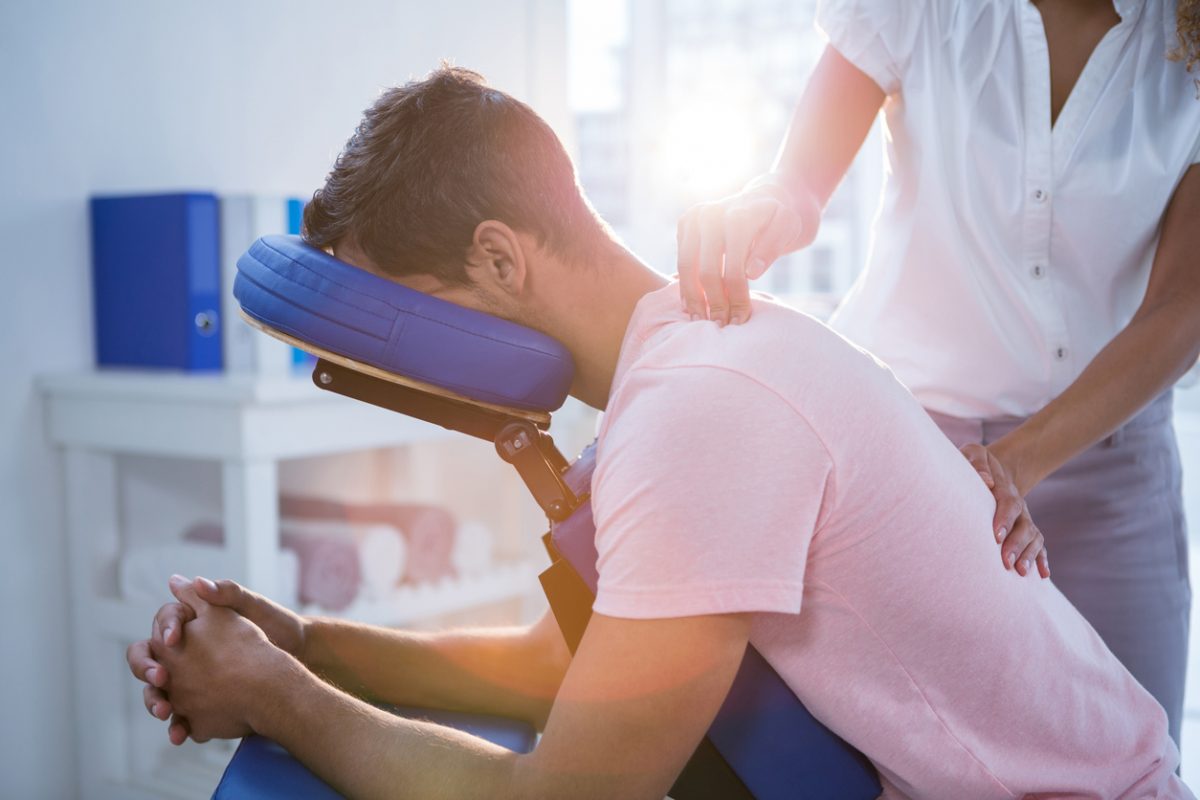
  • Manual Therapy:  Manual therapy includes dry needling, cupping therapeutic taping, and other techniques such as soft tissue mobilization and IASTM. These techniques can be helpful in restoring tissue mobility, improving muscle and joint function, decreasing inflammation, improving stability, and facilitating weak muscles.
  • Exercises: Exercise is a main go-to strategy to treat and prevent pain. These aren’t just exercises like you do at the gym, PT exercises are specially chosen and specifically tailored to help treat the patient’s specific problem. These exercise techniques are hand-picked to help patients move better by strengthening certain muscles, and addressing any imbalances that may exist.

To learn more about the popular physical therapy methods, call us in East Tucson at (520) 784-6570, Northwest Tucson at (520) 382-8201, or Oro Valley at (520)382-8180, or request an appointment online.

Why Does My Elbow Hurt? When to See an Elbow Specialist

We are all busy people. No matter what our profession or responsibilities, we sometimes have a way of filling up our schedule to the point that health takes a back seat. For instance, if your elbow hurts, you are going to ignore it for as long as possible. Sometimes we think that a little movement, stretching, or rest can work out the kinks. But if it doesn’t get better on its own, when is it time to see an elbow specialist?

Whether the pain is sharp, following some trauma like a fall or other accident, or it has been a steady ache that eventually interferes with movement, elbow pain can hold you back from fully participating in your life and activities. These are some of the common elbow injuries that people experience:


·       Sprains, or an injury to the tendons within the elbow

·       Strains, or a pulled muscle caused by overstretching or over-exertion

·       Muscle tears caused by an accident or overuse

·       Fractures to the bones of the arm that meet in the elbow (humerus, radius, or ulna)

·       Dislocation to the joint when it comes out of position and prevents smooth movement

·       Bursitis, swelling behind the elbow due to overuse

·       Tendonitis, when the tendons in the elbow joint become inflamed (includes tennis elbow, golfer’s elbow, or Little League elbow)

·       Pinched nerve within the joint that can cause pain or numbness and tingling down the arm.

·       Torn ulnar collateral ligament (UCL), the most common elbow ligament injury for people who throw balls


Because many of these injuries need a correct diagnosis and proper treatment to heal, it is vital that you see an elbow specialist, or orthopedic surgeon who specializes in elbows and other upper body parts. Tucson Orthopaedic Institute in Southern Arizona features Ortho Fast Track to serve patients with acute injuries like broken bones within a few days of the injury. Even same day appointments are available with a physician referral. Our conveniently located facilities have the latest in diagnostic equipment to save valuable time. If your elbow hurts, don’t wait until the pain is unbearable. Call the office closest to you with your questions, or schedule an appointment online today.

Why Choose to go to a Pediatric Orthopedist

As a parent, the chances are high that your children may hurt themselves while playing sports, or from a fall, at some point. It’s not fun to think about, but broken bones, sprains, or tendon injuries can happen at any time. Every fracture has the potential to cause problems for your child’s future growth, if not properly cared for. That’s why choosing the right provider in the event of a musculoskeletal injury is so important.

A pediatric orthopedist is trained to look for cues that can help provide information about the location and extent of an injury, that a child may not be capable of sharing. This specialty provides advanced training to address the unique needs and surgical care necessary to treat pediatric patients, taking into consideration the growth and development of the child. Experience treating children’s injuries and congenital conditions prepares a pediatric orthopedist with the background to recognize conditions and save valuable time when determining a diagnosis.

Specialized training in pediatric orthopedics includes learning how to put a child at ease, and not to appear frightening in an otherwise scary situation. Many diagnostic tests require the patient to cooperate, including holding still, not talking, and sometimes drinking a contrast liquid. Understanding that a child is not a miniature adult can make a difference in getting a prompt, accurate diagnosis, so that the right treatment plan can be implemented as quickly as possible.

In addition to injuries, a pediatric orthopedist may treat congenital disorders such as clubfoot, gait problems caused by differing leg lengths, scoliosis, spina bifida, and other disorders of the skeletal system.

If your child has an injury that you suspect may be a fracture, contact a pediatric orthopedist for the best possible care. Tucson Orthopedics in southern Arizona features Ortho Fast Track to serve patients with broken bones within a few days of the injury. Same day appointments are available with a physician referral. Our conveniently located facilities have the latest in diagnostic equipment to save valuable time. Trust Tucson Orthopedics to provide the best care for your child. Call with your questions or to schedule an appointment.

Treating Rheumatoid Arthritis

Rheumatoid arthritis (RA) is an autoimmune disorder for which there is no cure. RA causes painful, swollen joints, and can lead to permanent deformity and loss of joint movement if not treated in time.

However, early detection and treatment can slow or even prevent the progression of this disease. The treatment for rheumatoid arthritis may involve trying several strategies, and can change over the course of the disease.

Treatment focuses on reducing or eliminating inflammation. There are several types of drugs that have been shown to be effective. Because of the possible side effects of some drugs, doctors recommend more conservative treatments and shorter courses of drug treatments. Since rheumatoid arthritis is a life-long condition, treatment needs to be appropriate for the long haul.

Nonsteroidal Anti-Inflammatory Drugs (NSAIDs) are commonly recommended to alleviate symptoms of RA, and are available over the counter or by prescription.

Steroids can slow the progression of rheumatoid arthritis, but can cause serious side effects such as cataracts, elevated blood sugar levels, osteoporosis, and others. Although extremely effective, steroids are usually used as a short-term treatment to get symptoms under control.

Disease-modifying antirheumatic drugs (DMARDs) are an extremely effective class of medication that halt inflammation. Some have an inadvertent weakening effect on the immune system, but there are new drugs being developed that act with precision on RA-affected joints.

Physical therapy can help patients at any stage in RA. Exercises can help maintain range of motion and alleviate needless stress on the joints by learning new ways to accomplish tasks. Surgery to remove affected tissue or to replace joints such as the knee of hip may sometimes be indicated if the joint is severely damaged. And last but not least, certain diet and lifestyle choices can have a profound effect on treating the symptoms of RA.

Tucson Orthopaedic Institute’s orthopedic physicians are experienced in the diagnosis and treatment of joint damage. They work with our own certified physical therapists to help patients keep moving with as little pain as possible. Expert care is available to all our patients. Contact one of our convenient locations in the Tucson, Arizona area for an appointment today, or request an appointment online.

Causes of Low Back Pain

Low back pain is something that most people experience at some time in their lives. From herniated discs to pulled muscles or pinched nerves, there are many possible sources and types of lower back pain. Most of the time, low back pain can be traced to one of a few causes.

Your lower back must bear the weight of your upper body all of the hours you spend upright, not to mention the stress it endures while sleeping or sitting in certain positions. Over the years, bad habits like poor posture and too much time sitting at a desk can contribute to pressure that builds between the vertebrae.

The discs between vertebrae are meant to act as shock absorbers. They are made of tough but spongy cartilage, that will often wear down or become compressed as you get older. Arthritis is the result of the bones in your spine making contact, and painfully rubbing together.

Consistent pressure or a traumatic injury can cause a disc to bulge in the middle, called a herniated disc. Your spine is constructed to protect the nerves within it, but herniated discs can cause intense, shooting pain when nerves are pinched.

In everyday life, muscles in your lower back can be strained or pulled from activity. Lifting heavy things during a move, shoveling snow, bending with your back instead of your knees – these can all cause the soreness we’re all familiar with. However, while low back pain is a common complaint for many people, it is something that can be remedied by taking the proper steps.

In some cases, back pain goes away on its own with a little rest. Muscles heal, and even nerve pain is usually intermittent. But when the pain lasts for several weeks or longer, the frustration of chronic back pain sets in. Exercises learned in physical therapy can often help relieve or eliminate chronic back pain, as the muscles surrounding the affected area are strengthened. In rare cases, surgery may be necessary to correct back pain.

If you suffer from chronic lower back pain, the orthopedic physicians and physical therapists at Tucson Orthopaedic Institute can help. With expert diagnostic capabilities and experience with the full range of possible back ailments, our spine specialists will help determine the best treatment for your condition. Treatment could be as simple as making minor adjustments to posture, changing sleep position, and a little massage or physical therapy. There are plenty of treatment options available, so you shouldn’t feel resigned to having to choose between pain medication or a surgical procedure. Contact one of our convenient locations in the Tucson, Arizona area for an appointment today, or request one online.

The Training Required for a Physical Therapist

Physical Therapists (PT) help people regain strength and movement and alleviate pain, often through modalities such as stretching and exercise. A rehabilitation plan following an injury or to correct an orthopedic condition often includes physical therapy as an important part of the treatment and/or recovery process. Licensed Physical Therapists are highly-trained professionals with many years of study and experience to understand how the body moves and works, to help people feel better and live better lives.

Physical therapists are required to have a Doctor of Physical Therapy (DPT) degree from a program accredited by the Commission on Accreditation in Physical Therapy Education (CAPTE). DPT degrees usually take about three years to complete.

Acceptance into a DPT program requires a bachelor’s degree and relevant coursework, which may include anatomy, biology, physics, and chemistry. The DPT program includes study in the areas of physiology, neuroscience, pharmacology, biomechanics and psychology. The degree requires 30 weeks of clinical experience under the supervision of licensed PTs.

Following graduation as a Doctor of Physical Therapy, PTs complete a one-year residency for additional experience in various areas of care, such as for acute injuries like bone fractures, spinal cord injuries, as well as for conditions usually affecting older patients, such as arthritis. PTs also help people with genetic disorders affecting movement. Fellowships are available to further specialize a physical therapist’s area of expertise following his or her residency. DPTs can be board-certified by The American Board of Physical Therapy Specialties.

Licensing of physical therapists is administered at the state level, and requirements vary by state. However, every state requires that PTs pass the National Physical Therapy Examination. This extensive training and licensing program prepares a physical therapist to be an integral member of a patient’s healthcare team during recovery from an injury or illness.

Physical therapists at Tucson Orthopaedic Institute work directly with physicians to develop a treatment plan that is customized for each patient to maximize therapeutic benefit and produce the best possible outcome. Our physical therapists are an integral part of the practice, and orthopedic treatments often cannot be fully realized without their expertise. Contact one of our fully equipped and state-of-the-art Tucson physical therapy centers today for a consultation. You can also request an appointment online right now.

What is Neuropathy?

When the nerves connecting the spinal cord to the rest of your body become damaged or disrupted from carrying signals, it can result in a group of symptoms called peripheral neuropathy (or just neuropathy). It’s not an uncommon condition, with an estimated 2-3% of the population affected.

The nervous system brings information to and from your brain. When the nerves are affected by an injury, infection, autoimmune condition or something that blocks or puts pressure on them, they can’t properly conduct sensory information.

Some symptoms of neuropathy include:

  • Numbness, especially in the hands or feet
  • Tingling or prickling sensation
  • Sharp or jabbing pain, as if from a knife
  • Burning feeling, similar to sunburn without the heat
  • Freezing sensation
  • Ultra-sensitive to touch
  • Lack of balance or coordination

Diabetes is a major cause of neuropathy, especially in the feet. Increasing circulation through exercise can help relieve or prevent symptoms. Decreased or lack of feeling in the feet and toes can lead to life-threatening infections or amputation. For those diagnosed with diabetes, the importance of monitoring foot health cannot be overstated enough.

When peripheral neuropathy causes muscle weakness or instability, physical therapy can help strengthen these muscles or the surrounding area, to ease pain and increase mobility. Your doctor can monitor your progress and make recommendations for alterations in a physical therapy plan that best addresses your needs.

Making lifestyle changes, including diet and exercise, may address the underlying cause of neuropathy to relieve or eliminate symptoms. The nervous system in your body is both intricate and complex, and may be affected by multiple influences, both environmental and genetic. Developing a treatment plan with your doctor is the first step to recovery.

The orthopedic physicians at Tucson Orthopaedic Institute are experienced in the diagnosis and treatment of conditions affecting the nerves, including neuropathy. They work together with our physical therapists to ensure each patient has the best possible treatment outcome.  If you have nerve pain or other symptoms of peripheral neuropathy, contact one of our convenient locations in the Tucson, Arizona area for an appointment today, or request an appointment online.

The Importance of Proper Imaging for Diagnoses

The New England Journal of Medicine cited medical imaging as one of the top advances in medicine in the past 1,000 years. There is no equivalent tool available for seeing inside the human body, without actually cutting it open.

Diagnosing orthopedic conditions affecting the musculoskeletal system was revolutionized by medical imaging. Orthopaedic surgeons may be incredibly skilled and experienced with diagnosing conditions based on the symptoms of the patient and external appearance or other cues, however, imaging allows your doctor to see inside your skin, viewing details on the extent and position of an injury or condition. There was a time when exploratory surgery was a routine part of diagnosing certain conditions, and this is thankfully no longer necessary in almost all cases due to diagnostic imaging.

There are several common types of imaging that your doctor may recommend, depending on the location and nature of your complaint:

·        Digital X-rays – often the first and only tool needed, useful in diagnosing fractures and dislocations

·        Computerized Tomography (CT scans) – a series of X-rays that gives a more detailed picture

·        Ultrasound – provides real-time accurate images without radiation

·        Magnetic Resonance Imaging (MRI) – especially helpful for diagnosing torn ligaments

In addition to providing invaluable visual information that helps determine a diagnosis, imaging will show when an injury or condition has healed. It will also indicate whether a treatment has been effective in promoting healing, or if some adjustment in medication or other treatment needs to be made. Not only can diagnostic imaging help orthopedic surgeons give an accurate diagnosis, it can also be utilized to see the progress a patient is having during and after treatment.

Thanks to the use of proper imaging, surgical procedures needed to correct a condition are less invasive or may be avoided all together. Tucson Orthopaedic Institute offers onsite medical imaging using the most advanced technology available. Our patients save valuable time and get diagnosed quickly and accurately, so that treatment can begin without delay. Call one of our conveniently located facilities today for an appointment in the Tucson, Arizona area.

Find the Tucson Orthopaedic Institute location nearest to you, or request an appointment online right now.

1 2 3 6

Search

+