How Can Physical Therapy Help to Avoid Surgery?

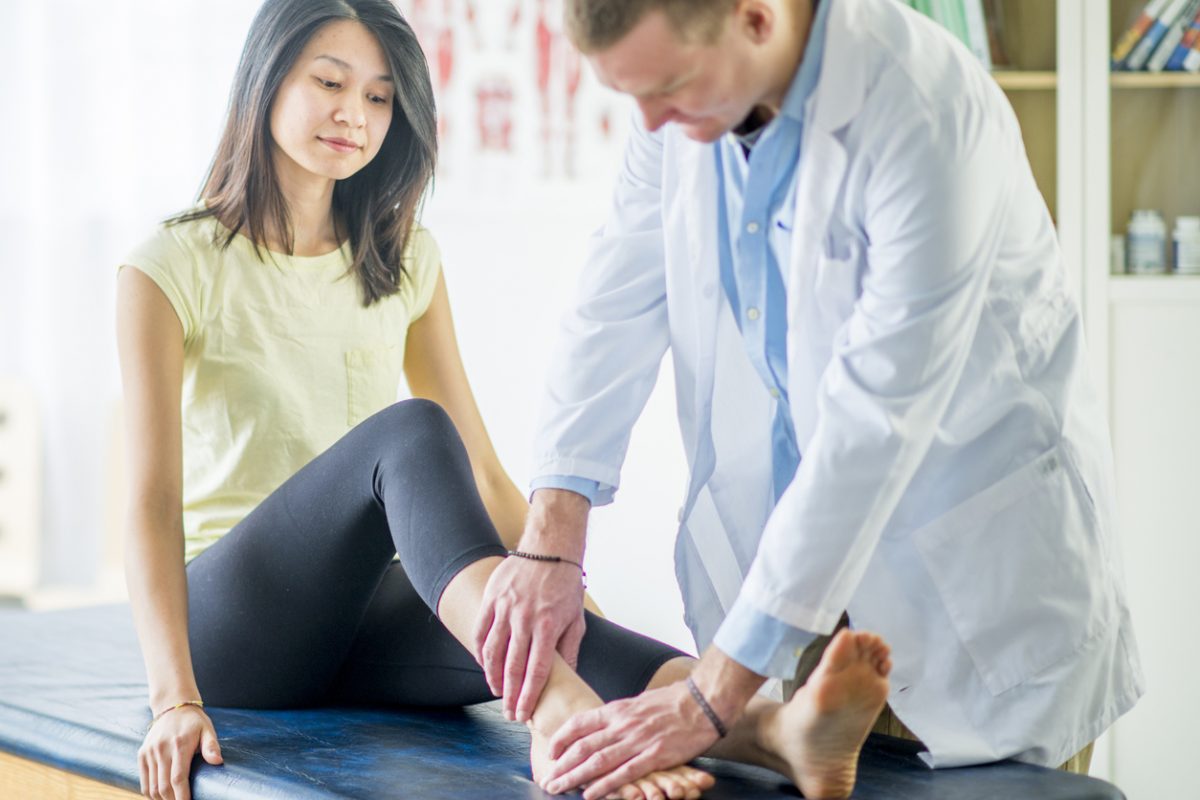
While surgery is sometimes the only way to treat a physical condition, the more conservative approach is to first try physical therapy. If physical therapy eliminates your pain or helps you heal from injury, there may be no need for surgery. And, if you do need to undergo surgery, pre-surgical physical therapy can often put you into better physical condition to withstand the surgery, and possibly help provide a better recovery outcome.

Surgery and Other Invasive Procedures Carry Risks

The fact is, anytime an invasive procedure is performed on a patient, there are risks. Although the exact risks often depend on the exact type of surgery you are having, here are just a few general risks surgery exposes you to:

·        Whenever your body is cut open, it exposes you to the possibility of infection

·        Bleeding problems can occur during surgery

·        Blood clots can be caused by surgery

·        Occasionally, complications from the anesthesia may occur if the patient has a reaction to   anesthesia drugs.

·        Anesthesia can cause aspiration, or breathing food or fluid into the lungs. This can be serious.

·        Anesthesia can cause elevated heart rate and blood pressure in some patients during surgery

Physical Therapy Benefits

Physical therapy has long been used as a conservative treatment before surgery is considered. Now, medical studies are showing that physical therapy can sometimes be as effective as surgery:

·        Studies have shown that physical therapy can be as effective as surgery in providing pain relief for some lower back conditions, such as spinal stenosis.

·        The New England Journal of Medicine published a study that found physical therapy to be as effective as surgery for treating meniscal tears and knee osteoarthritis.

·        A study conducted at Thomas Jefferson University Hospital found that patients with degenerative disk disease responded as well to physical therapy as to surgery.

·        Physical Therapy has been found to successfully treat patients suffering from carpal tunnel syndrome

As more studies are completed, many doctors believe physical therapy may provide a non-invasive method of treatment for many patients, allowing them to avoid surgery.

Physical Therapy Helps Your Body Heal Itself

Our bodies are designed to heal themselves of certain conditions, given the proper treatment options and nutrition. Surgery should rarely be the only treatment offered, unless it is an emergency situation.

Doctors are recognizing that physical therapy treatment plans are effectively helping their patients. Part of this is because treatment plans can be custom-designed for the patient’s individual goals, needs, and challenges.

As researchers discover the positive impact of physical therapy on patients’ conditions, instead of undergoing surgery, more doctors are recommending physical therapy, first, as a non-invasive, more gentle way of healing the body.

If you are considering surgery, and are looking for less invasive treatment options, contact the Tucson Orthopaedic Institute to schedule an appointment today. Visit one of our several area locations, to be examined by one of our highly qualified, board certified orthopedic surgeons. Our goal is to provide the most appropriate, least invasive treatment necessary for your condition.
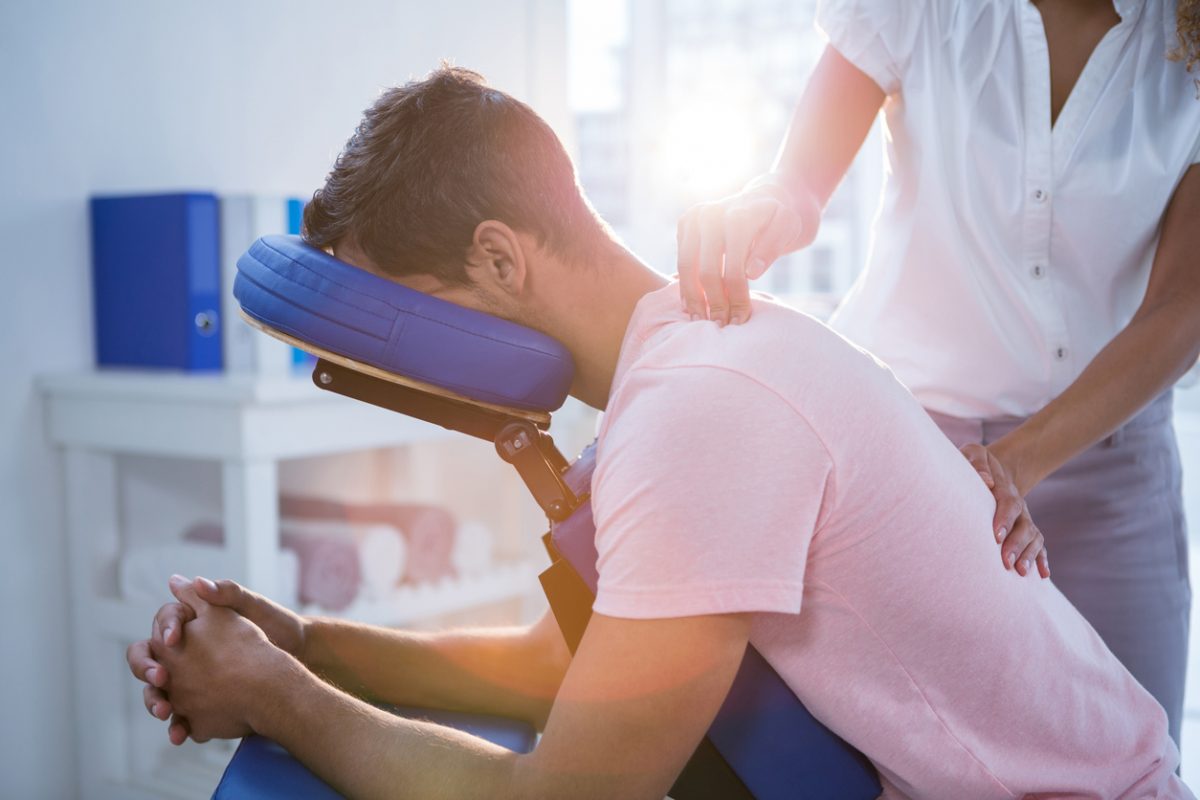
Can Physical Therapy Help Your Back Pain?

Surprising Results When a Scientific Study Compared Surgery with Physical Therapy (Exercise) for Back Pain Treatment

A study on patients suffering from lower back pain due to lumbar stenosis (a narrowing of the space inside the lowest part of the spinal canal) was conducted on 169 Pittsburgh-area men and women with lower back pain due to lumbar spinal stenosis. All agreed to have surgery. Half would have surgery immediately, while the other half would wait. While waiting, the second half of the study group participated in a specifically designed physical therapy program, rather than going through with the scheduled surgery.

Both groups showed the same benefits throughout the recovery period, from 10 weeks after surgery to two years later. Both groups had no difference in pain levels and physical function.

Meanwhile, the surgery group had twenty-two participants (25%) who experienced surgery-related complications like repeat surgery or a surgery-related infection, while eight of those in the physical therapy group (10%) reported worsening symptoms as a complication.

This study shows that physical therapy, or exercise, is as effective as surgery for many patients with certain low back pain.

Standard Care: Conservative Treatment for Back Pain, Before Considering Surgery

Usually, doctors will try to initially treat back pain with conservative measures. Some of these treatment methods include:

·        Pain relievers

·        Anti-inflammatory medications

·        Injections of corticosteroids

If these methods fail, they will most often recommend surgery to their patients.

Many Doctors Now Consider Physical Therapy/Exercise as Part of Treatment Plan to Treat Back Pain Patients

Many doctors now consider a well-designed physical therapy program as an important step to treat patients with back pain, before making any final step toward surgery.

This, of course, depends on the cause of the back pain, and the overall condition of the patient’s health. For instance, immediate surgery may be necessary if there is so much pressure on the nerves that:

·        It becomes difficult to control bladder or bowel function

·        Muscles around the pelvis or upper legs become weak

·        Pain can’t be controlled with strong medicine

In these cases, surgery may be the only option for relief.


What to Expect If Your Doctor Recommends Physical Therapy or Exercise

If your physician considers you to be a good candidate for physical therapy or exercise to relieve your back pain, there are a few things you should know.

First, congratulations. You may be able to avoid surgery or medication to treat your back pain. Surgery may seem like the definitive fix, but it’s never a guaranteed success, and there is always a possibility for complications with any surgical procedure.

Second, any exercise or physical therapy program will not only be difficult at first, it is likely to cause pain. This is because your back pain may have caused you to limit certain movement. When your therapy has you begin to move all those muscles and ligaments again, they will be stiff and sore. It is the old story of “no pain, no gain”.

Also, if patients do not perform all recommended exercises or do not devote enough time to their program, physical therapy or exercise is not likely to alleviate pain.

However, if you commit to your physical therapy or exercise program, you should eventually find relief, just like the participants in the scientific study. Also, you will find continued exercise beyond the assigned therapy time may, in fact, further strengthen you back and help you to maintain better posture, which should help to prevent recurring pain.

Lastly, never engage in any physical therapy or exercise program when you are experiencing back pain without your doctor’s approval. This is very important, as your doctor will be able to determine exactly what you should, and should not do with your back.

If you are experiencing back pain, request an appointment at the Tucson Orthopaedic Institute at the location nearest you, to be examined by one of their highly qualified, board-certified orthopedic surgeons. They will use the latest diagnostic tools and years of experience to determine the cause of your pain, and suggest the best treatment options available. You deserve to live a pain free life.

You Could Be Suffering From Plantar Fasciitis

If you are experiencing these types of symptoms, you may be suffering with Plantar Fasciitis.

What is Plantar Fasciitis?

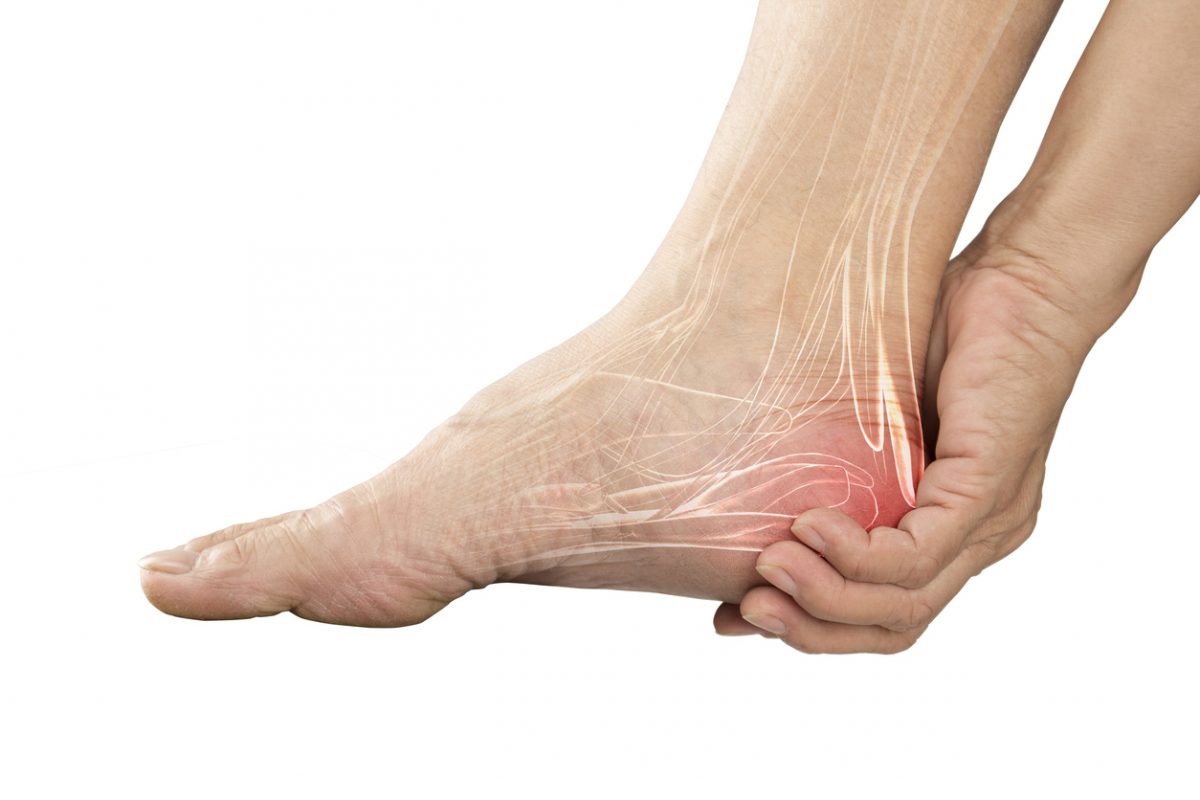
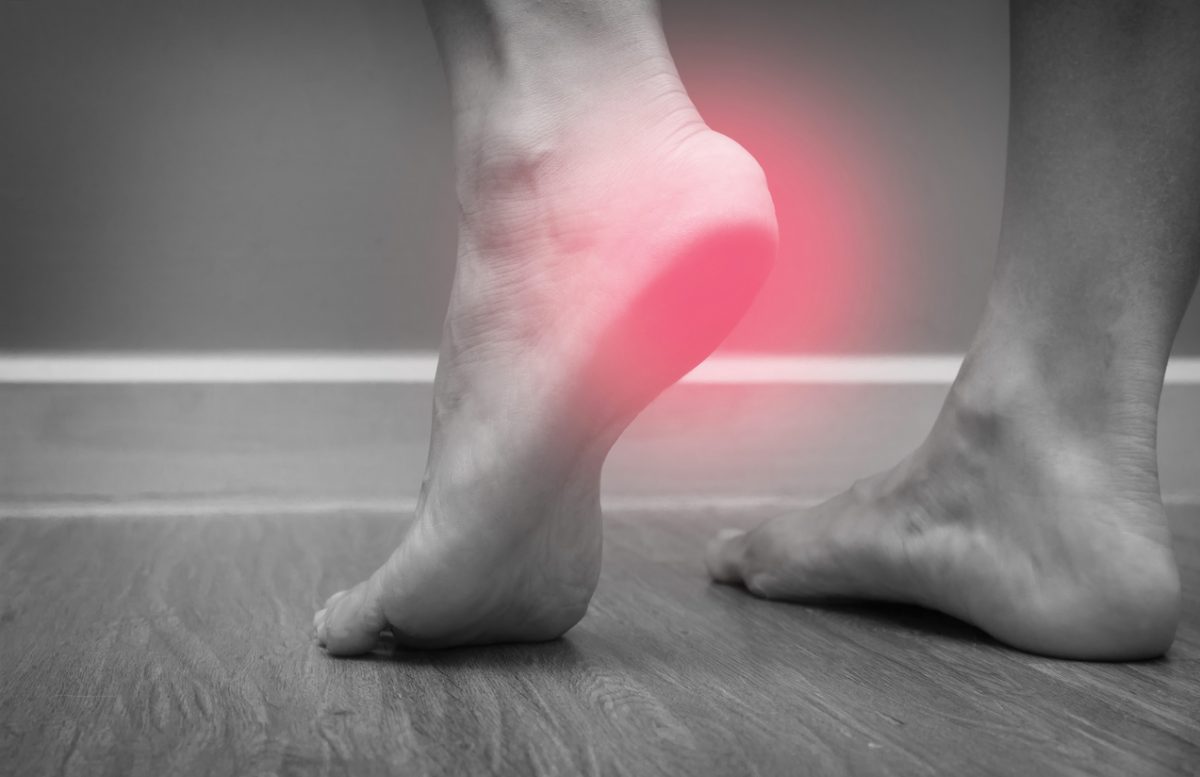
Plantar fasciitis is the most common cause of pain in the heel and bottom of the foot.  It is estimated to affect 1 in 10 people at some point in their lifetime, and most commonly affects people between 40-60 years of age.

Running along the bottom of your foot is a thick band of tissue, a ligament that connects your heel bone to your toes. This is called the plantar fascia. The plantar fascia supports the arch of your foot.

Plantar fasciitis is an inflammation of the plantar fascia. This inflammation is thought to be caused by tiny, microscopic tears that occur in the fibrous tissue by straining that ligament. It is more common in people who are overweight, and those who wear shoes with inadequate support. If you have plantar fasciitis, you may notice that the sole of your foot hurts more as the day goes on, hurting the most when you climb stairs or stand for an extended period.

Even More Risk Factors

Repeated strain on the plantar fascia ligament can cause pain and swelling. This is more likely to happen if:

·        Your feet roll inward too much when you walk (excessive pronation)

·        You have high arches or flat feet

·        You are overweight

·        You wear shoes that don’t fit well, or are worn out

·        You have tight Achilles tendons or calf muscles


Treatment for Plantar Fasciitis

The cost of treating plantar fasciitis in the United States has been estimated at about $284 million each year. And, since plantar fasciitis is caused by stress placed on the foot by the mechanics of walking, no single treatment works best for everyone. Fortunately, about 90% of plantar fasciitis cases will improve within six months with conservative, non-invasive treatment. Some of the more common treatments include:

·        Rest

·        Applying heat

·        Applying ice

·        Calf-strengthening exercises

·        Techniques to stretch calf muscles, Achilles tendons, and plantar fascia

·        Weight reduction in the overweight or obese

·        Nonsteroidal anti-inflammatory drugs (NSAIDS)

·        Custom-fit orthotics/shoe inserts

It is important that you receive a specific diagnosis and subsequent treatment for plantar fasciitis from your doctor, as ignoring this condition may result in chronic heel pain that hinders your regular activities. Implementing your own, unscientific methods of minimizing the pain, like altering the way you walk, might lead to foot, knee, hip or back problems.


If you suspect you may have plantar fasciitis, request an appointment online to visit Tucson Orthopaedic Institute. Come visit the ortho specialists to diagnose your foot pain, at one of our several area locations. You deserve to continue your life with full mobility, and pain free feet will help keep you going!

Could Your Foot Pain Be Caused by a Problem With Your Back?

While it doesn’t seem like there should be such a connection, considering how sensitive and large the back is, foot pain can in fact be related to your back. It is not uncommon to have pain in the legs or feet without any significant lower back pain, yet the problem is still originating in the lumbar region of the lower back. Blame the funny way our nerves work sometimes, sending signals all over the place.


You might blame that foot pain on the sciatic nerve

If a nerve root in the lower back – or lumbar area of the spine – is irritated or compressed, this lower back condition can cause pain to radiate along the sciatic nerve all the way to the patient’s foot.

The sciatic nerve is a large nerve that begins near the base of the spine, extending downward through the lower extremities, traveling through the hips, buttocks, and legs, before coming to an end in the feet near the toes.


Symptoms of Sciatica

As we age, the lumbar spine begins to deteriorate and weaken. This can impact the sciatic nerve, and lead to symptoms of sciatica, including:

·        Pain

·        Numbness

·        Tingling

·        Weakness

·        Slower reflexes

·        Muscle spasms

The sciatic nerve is very important, as it sends sensory and motor information to much of the lower body. The sciatic nerve is what sends the commands which allow for basic movement, such as walking and sitting. When this nerve becomes constricted, inflamed, or compressed in the lumbar spine, often due to degenerative spine conditions that develop in the lower back, the set of symptoms is known as “sciatica”.


Conditions that can cause sciatica

There are several degenerative spine conditions which can lead to the impingement or compression of the sciatic nerve, including:

·        Lumbar degenerative disc disease

·        Facet disease

·        Lumbar spinal stenosis

·        Lumber herniated disc

·        Foraminal stenosis

·        Isthmic spondylolisthesis

·        Osteoarthritis


Treatment Options

Once your doctor diagnoses the cause of your pain as sciatica, a series of conservative treatment options may be recommended. Often, a combination of these treatments can sufficiently manage the problem. These may include:

·        Activity modification

·        Oral nonsteroidal anti-inflammatory medications

·        Epidural injections

·        Low-impact exercises

·        Stretching techniques

·        Physical therapy

When these conservative approaches to managing sciatica fail, it may be necessary to consider addressing the underlying cause with surgery.


If you are experiencing pain in your foot, or lower extremities, contact the Tucson Orthopaedic Instituteat one of their several area locations. You can schedule an appointment online, to be examined by one of their highly qualified, board-certified orthopedic surgeons. At Tucson Orthopaedic Institute, there are many non-invasive treatment options for diagnosing and treating sciatica, and we will work with you every step of the way until your pain subsides.

Search

+