Treating Arthritis: Making Gains Against The Pain

Although there are 100 types of arthritis, and many forms of treatment, research is getting us close to significant improvements in care. Here are some of the local developments that offer hope.

Arthritis is America’s number one cause of disability, costing the U.S. economy more than $128 billion a year, according to the Arthritis Foundation. The organization’s Southern Arizona Chapter reports that in Arizona alone, approximately 1.1 million people have some form of the disease. Six thousand of those are children.

Considering how prevalent the disease is, there’s still much research, education and drug testing to be done. Arthritis is complicated – it has 100 different forms, including many autoimmune disorders; it can be difficult to diagnose; and despite the number of drugs on the market, there’s no single treatment that works for everyone.

“Arthritis is a Greek word meaning ‘swelling of the joint,'” says Susan Sweeney, executive director of the Arthritis Foundation’s Greater Southwest Chapter. “Osteoarthritis (OA) is the number one disease in our group; rheumatoid arthritis (RA) is second. Then there’s lupus, which can be of the skin or different kinds; fibromyalgia; or psoriatic arthritis,” the type PGA player Phil Mickelson was diagnosed with in 2010. Autoimmune forms of arthritis have very different causes than OA, but they generally all create joint pain.

Two local medical groups are aggressively pursuing advancements in the field of arthritis, with cutting-edge research being conducted at the Arizona Arthritis Center and innovative patient treatments being done at Tucson Orthopaedic Institute (TOI).

Located on the University of Arizona College of Medicine campus, the Arizona Arthritis Center is headed by Eric Gall, MD, the center’s founder and current interim director.
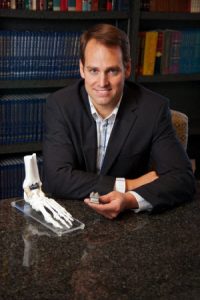
He says the main focus at the center is immunology and inflammation. A current study, led by John Szivek, MD, is exploring a new treatment for OA patients. “Dr. Szivek worked with artificial joints early on. Now he’s studying re-growth of cartilage in damaged joints using non-controversial stem cells,” Dr. Gall explains. “They’re taken from the fat of the abdomen, he grows them and reintroduces them to grow into new cartilage. This is a new approach in this area. His lab is waiting to be FDA approved to do the study in humans.”

Other research underway at the center includes investigating how to control lupus, clinical studies on pharmaceuticals and a look at valley fever in arthritis patients who are on biologic agents. “Fungal infections can come out in these patients,” and they must go off the drugs, Dr. Gall says. In the past, there’s been uncertainty about whether the patients could continue treatment after valley fever symptoms dissipated. “We’re asking, can you treat again after going off the drug?”

Physicians at Tucson Orthopaedic Institute are attracting attention for three progressive procedures that help those with deteriorating joints. Eric Anctil, MD is performing the Scandinavian Total Ankle Replacement (STAR) surgery, which results in greater range of motion than what’s achieved with other options.

The STAR device, states Dr. Anctil, “is the only implant that’s mobile bearing.” Other ankle replacement devices are fixed bearing and therefore limit motion, as does ankle fusion. The procedure was developed by a Danish surgeon and has been commonplace in Europe and Canada for 15 to 20 years. The Food and Drug Administration approved the technique in the U.S. two years ago.

Anctil moved to Tucson from Canada, where he’d been performing the surgery for years. “When I first came here, I didn’t use another replacement; I waited for the FDA approval. I was the first one in Arizona to do it. Now there are one or two doctors who do the procedure in Tucson and some in Phoenix,” he says.
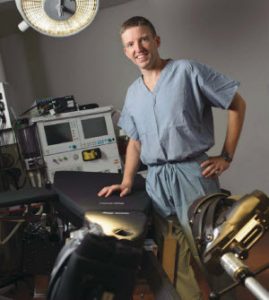
Those who have put off hip replacement surgery in anticipation of something less invasive now have another option, currently being performed by Edward Petrow Jr., DO. “With anterior hip replacement (AHR), instead of cutting muscle to get to the hip joint, we move the muscle to the side from the front. It’s a quicker initial recovery and patients are off the cane or walker in the first week or two. Other advantages are that there are no hip precautions and a much lower risk for hip dislocation.” The incision, he says, is 8-10 centimeters.

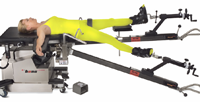
Using real time X-ray makes the surgery more precise. “We use the opposite hip as a template to match leg length,” an issue which occasionally arises with other hip replacement techniques, Dr. Petrow notes. AHR is done on a special surgical table that allows extension of the patient’s leg downward, thus giving front access to the hip.

Like Dr. Anctil, Dr. Petrow moved to Tucson from an area where the surgery already was being performed. “I came from Virginia and did it there. I was surprised more people weren’t doing it here.” Dr. Petrow’s primary obstacle was convincing Hospital administrators to purchase the special table at a cost of $70,000 to $120,000, which they eventually did.
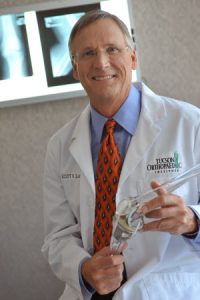
The surgery also requires special training. After performing approximately 40 AHR surgeries during his last year in Virginia and a dozen here, Dr. Petrow believes he’s the most experienced AHR doctor in Tucson. “It’s now sweeping the country,” he adds.

Just approved by the FDA is an innovative procedure for improving ee s, one that uses vitamin E to extend the life of the device. When this article was written, Scott Slagis, MD was the only Tucson doctor lined up to perform the surgery, which will begin once the implants are shipped. He explains that plastics in joint replacements are generally radiated during manufacturing to make them more durable. But radiation releases free radicals into the plastic, which can lead to oxidation and subsequent wear.

“You add vitamin E, which is an antioxidant, and it neutralizes the free radicals. It then may last longer and be stronger,” Dr. Slagis reports. He says the procedure is not age restricted, but it’s especially good for younger, active patients because of its longevity.

Dr. Slagis has seen small advancements in knee replacement procedures, which he’s been performing for 20 years. But he believes the vitamin E implant could prove to be significant. “This is one that may have profound implications,” he says.

Children With Arthritis

Although support programs abound for kids with arthritis, medical attention can be harder to come by, with a shortage of doctors nationwide.

“There are no board-certified pediatric rheumatologists in Southern Arizona, states Deborah Jane Power, DO, of Catalina Pointe Arthritis and Rheumatology Specialists, P.C. “I’m the only rheumatologist in Southern Arizona willing to see kids with juvenile arthritis 15 and younger.” She and her partners also treat adults with RA and OA.

Power explains the differences between the two: “Osteoarthritis is a degenerative, wear-and-tear condition. Some is genetic, some caused by obesity or trauma and bad injuries, such as sports related. The distribution in the body is knees and hips, the base of the thumb and the joint closest to the fingernail.” While she said there are no drugs that slow the progression of OA, taking anti-inflammatory drugs can help, as can exercise.

“Rheumatoid arthritis is an autoimmune disease that starts in the joint. The body attacks the joint lining in the synovial capsule.This causes swelling, pain and loss of range of motion. It’s whole-body inflammation.You also can have fatigue and a low-grade fever,” Power notes.

Nutrition plays a part in arthritis, as well, she says. “Dr. Andrew Weil believes dairy is inflammatory. Things like turmeric, garlic, cayenne and green tea help with inflammation, so patients can be given that. Foods in the nightshade family cause inflammation — tomatoes, potatoes and eggplant.” She suggests that people with RA and other autoimmune diseases avoid gluten, as it can stimulate the immune system.

Arthritis Foundation – Greater Southwest Chapter

The foundation’s primary goals, notes Executive Director Susan Sweeney, are to increase awareness of the disease, raise funds for research and provide local support for people with arthritis. “Money raised in Tucson stays to provide programs and services in Southern Arizona,” she says. These include seminars, health fairs, exercise classes, educational material, referrals, scholarships and kids’ camps — all coordinated out of the Arthritis Foundation’s office at 310 S. Williams Boulevard.

“We have community education classes where a physician and I go out to senior centers, senior communities or to the work place. One big thing we do is arthritis exercise classes. Water exercise and Tai Chi are especially good choices for arthritis patients. We train instructors and have partnerships with Tucson Parks & Recreation, for example.”

Often, it can take eight weeks to see a rheumatologist, according to Sweeney, and people want information on the disease while they wait. “We send them support group information, Arthritis Today magazine and a drug guide from the national office.” Her staff can refer callers to one of eight rheumatology groups in town.

Major fundraising events for the foundation include the Arthritis Walk, held each spring; the Jingle Bell 5K Run & Fun Walk in December; and a newcomer last year, the Surgeons vs. Chefs Pumpkin Carving Contest.

Chris Stead, local Arthritis Walk coordinator, reported that this year’s event drew more than 500 participants and raised approximately $40,000 through pledges, donations and sponsorships. Held at Brandi Fenton Memorial Park on May 7, 2011, the one-mile walk was kicked off by Mayor Bob Walkup, followed by entertainment and activities.

“We had community vendors and booths like Sam’s Club, Desert Diamond Casino and orthopaedic teams,” notes Stead. Ronald McDonald performed magic tricks for the kids, a disc jockey played music and a splash pad cooled everyone Down. “There was a dogathon, and K-9 Loyal Companions gave doggie massages. Dogs get arthritis, too,” Stead remarks.

This year’s holiday-themed 5K fundraiser is slated for Dec. 3 at Reid Park, he says.“It’s a timed run, people dress in holiday gear and we give awards. There’s also a contest with dogs; you can dress up your pet. Funds help with juvenile arthritis family camps and other programs.”

The foundation holds three camps each year: Camp Cruz, a week-long summer camp for 11 to 16 year olds in New Mexico; an overnight camp for younger kids; and a family camp held locally.

As published in Tucson Lifestyle Magazine, December 2011

Written by Christy Krueger

Tucson Orthopaedic Institute Expands Physical Therapy Access

Tucson Orthopaedic Institute opens a third physical therapy location inside fitness gym, FIT at the River. Starting in January 2017, the new clinic will offer patients additional access to physical therapy treatment.

Open Monday – Friday

Monday, Wednesday (8am-5pm); Tuesday, Thursday (7:30am-3:30pm); Friday (7:30am-12:30pm)

2404 E. River Rd., Bldg. #1

Tucson, AZ 85718

At this location is physical therapist Golsa Lotfioff, PT, DPT. Lotfioff received her Doctorate of Physical Therapy in 2014 and now specializes in outpatient orthopedics, sport medicine rehabilitation, manual therapy, aquatic therapy, and pediatric rehabilitation.

Patients can now benefit from receiving physical therapy treatment in a convenient location for rehabilitation from injury or post-surgery recovery. The FIT at the River clinic provides the same quality of care and comprehensive physical therapy services as all Tucson Orthopaedic Institute physical therapy locations.

Tucson Orthopaedic Institute physical therapy locations also include the Northwest office, 6320 N. La Cholla Blvd, #200; and East office, 2424 N. Wyatt Drive, #130. For scheduling information, call (520) 784-6570 or visit www.tucsonortho.com.

Focus on Continuous Improvement

Source: BizTucson published September 2016

Written by: Mary Minor Davis

Photo Credit: Amy Haskell

After three years of living on the road as a national healthcare consultant, Paula Register is ready to plant her roots on firmer ground in Tucson. The new CEO at Tucson Orthopaedic Institute recently got a dog. She’s planted flowers. She cooks at home more.

The North Carolina native first came to Tucson in 2010, working two years at Carondelet Health Network before her consulting job took her back on the road. Now engaged to local cardiac anesthesiologist Michael Hecht, she said she’s ready to settle down.

“Settle” isn’t a word that would normally describe Register. Look at her resume and it is easy to see why she was included in Becker’s 2011 list of Most Influential Women to Know in Healthcare. She’s held senior leadership and executive positions for most of her career. A licensed CPA, she has worked as a senior accountant and CFO for two North Carolina school districts and participated in several mergers throughout her career. In healthcare her roles include CFO and CEO for multi-specialty physician groups and CEO for a Management Services Organization, doubling its size during her tenure. She came to TOI in April of 2015.

“The opportunity at Tucson Orthopaedic came at a perfect time,” Register said. “For most of my career in healthcare I worked with supervising multi-specialty areas. This was an opportunity to focus my time and talent on one area.”

For the previous three years, Register’s consulting career took her to Oahu frequently. “I had the greatest experience working in Hawaii,” she said. “The spirit of the people, the kindness they demonstrate – it’s a good lesson for those of us who work in healthcare. I really learned the true meaning of ‘Aloha.’ ”

She’s incorporated her experience in Hawaii into the TOI philosophy – adopting “kina’ole” – the Hawaiian word for flawlessness.

“It means doing the right thing, in the right way, at the right time, in the right place, to the right person, for the right reason, with the right feeling the first time,” she said. “It embodies the whole patient experience – making them feel welcome, making them feel comfortable, being respectful of their time and hearing everything they have to say. It’s all important.”

This philosophy is what drives Register, who takes her responsibility to run a $50 million business very seriously.

“My job is to provide a good, strong business structure and clinical infrastructure to support the clinical practices, which allow (the physicians) to do what they do best. I call it the triple lane – we’re here to provide better patient experience, better patient outcomes, at a more efficient cost. It’s what we all want.”

To achieve this, Register established a culture focused on continuous improvement. “We want to make sure we get better every day.”

To this end, Register said she asks a lot of questions – especially “why?” – with respect to processes, procedures and programs that serve as patient touch points. “Why do we do it this way?” And the next questions are “How should we be doing it? Can we do it differently and achieve a better outcome?”

“We’re always going to make mistakes – it’s human nature,” she said. “But it’s how we react to that mistake that I think is important. Patients need to know that when things go wrong, we analyze what happened and what we are going to do differently so that it doesn’t happen again.”

Register said she doesn’t look to adopt change for the mere sake of change, but recognizes that there are some things that don’t need to be handled the way they were in the past because of changes in technology, information systems and other patient interactions.

One of the most noticeable examples of this is the renovated lobby space at the Grant Road location, shared in the central tower with Tucson Medical Center. Previously, check-in for TOI was behind the TMC reception area in a small office. “There were lines out the door,” she said. “When you’re in pain, the last thing you want to see is a waiting line.”

TOI re-engineered the waiting area, moving from the TMC reception area to a more open area at the west end of the tower. In addition, multiple check-in stations were added. “It opened up our availability to patients,” she said. “It’s a much better environment for our staff and our patients.”

Locating services nearer to patients is also part of Register’s strategy. There are currently four TOI clinics in greater Tucson. In the next 18 months, the TOI located on the Oro Valley Hospital campus will complete an expansion, and TOI’s newest satellite office will open next year as part of the new TMC Rincon Health Campus on the southside.

“I have this philosophy that I heard early in my career – people don’t care how much you know, until they know how much you care,” she said. “I think if people know we care, that’s what’s important. I try to show people how much I care – the team, our culture, our patients – and I hope our business owners know how much I care about how I run their business.”

Tucson Orthopaedic surgeon helps new hip replacement procedure

Source: KVOA 4 Your Health published on August 22, 2016

Written by John Overall

TUCSON – The first hip replacement surgery was performed in 1960. Now, more than 300,000 total hip replacements are performed each year in the United States.

Dr. Russell Cohen from the Tucson Orthopaedic Institute joined a team of other surgeons to develop a new surgical technique that allows their patients to get back on their feet sooner.

59-year-old Mindy Sparks suffers from severe arthritis in her hips. About six months ago the pain became unbearable, “I would walk across a parking lot and almost feel like crying it hurt so badly,” Sparks said.

Dr. Cohen showed News 4 Tucson Mindy’s X-Rays, “You can see here that her hip joint is completely gone. There’s no separation between the ball and the socket. So these two hips are about as bad as a hip needs to be before we recommend it be replaced,” Dr. Cohen said.

Dr. Cohen has been performing minimally invasive hip and knee replacements since 2003. About three years ago Dr. Cohen joined six other surgeons and came up with a procedure they call The Direct Superior Approach to the hip.

Most surgeons make an incision along the femur bone, cutting into the Iliotibial Band which causes pain and requires more recovery time.

“The Direct Superior Approach stays at the very upper end of that incision so we come down to the top of the femur bone but we don’t go into the I-T band,” said Dr. Cohen.

Since the I-T band isn’t compromised and fewer muscles are disrupted, patients like Mindy experience less pain, less bleeding and fewer restrictions when they’re released from the hospital.

“Traditional hip patients are told don’t cross your legs, don’t bend past 90 degrees, watch out for dislocation, all these things. Well, I don’t do that anymore, I haven’t for quite some time,” Dr. Cohen said.

Sparks says she bounced right back after surgery, “It was easy, it was easy in the hospital. I felt better in the hospital instantly. They had me up and walking that day.”

Mindy started physical therapy the day after having her left hip replaced.  Three weeks later she’s walking much easier and looking forward to having her right hip replaced in a few weeks.

Dr. Cohen and his team are now traveling around the world teaching the Direct Superior Approach to other surgeons.

To learn more, visit the Tucson Orthopaedic Institute 4 Your Health page.

Get Prepared for the Game! Sports Physical Clinic

Tucson Orthopaedic Institute is providing pre-activity physicals for all student athletes.

A team of sports medicine specialists and medical professional will provide a thorough exam and assess each athletes’ ability to participate in sports for the upcoming season.

Saturday, July 9, 2016

8:00am – 12:00pm

Tucson Orthopaedic Institute – Northwest office

6320 N. La Cholla Blvd, #200

Cost is $20 per athlete* (discounted rate is available for families with multiple athletes)

Exam includes:

– Vitals check
– Vision test
– Medical & Musculoskeletal exam
– AIA approved forms completed (athletes must bring form)

*Self-pay only. Cannot be combined with insurance.

See flyer for additional details

What Really Matters to Joint Replacement Patients

Written by: Ali Dalal, MD

view post on original source – LinkedIn

5/17/16 – Orthopaedic surgeons are often guilty of being “high tech” but “low touch.” Throughout our training we are taught that the best way to care for our patients is to do a good surgery. In joint replacement, surgeons quantify excellence by things we can measure: the efficiency with which the surgery was done, the length of the incision, the appearance of the x-rays after surgery. This however, neglects the patient’s perspective on their disease, and why they sought out care.

There can be a disconnect in results after joint replacement. Some patients achieve satisfaction without reaching what some surgeons consider routine post-operative goals. This is not as frustrating as the opposite scenario when patients are dissatisfied despite exceeding what many surgeons would consider an excellent result. The latter can occur anywhere from 10-15% of time after hip and knee replacement.

Patients in need of joint replacement surgery have a disability that affects their independence and can cause anxiety. This anxiety can be carried into the preoperative period as a fear of their disability becoming worse after surgery. Many of these fears can be addressed pre-operatively by giving patients high quality information on what to expect before and after surgery as many of the questions patients have are similar— “When can I drive?  How do I get my home ready? How long can I expect to be out of work?” The similarity of patient questions makes guides such as mine very helpful. Attending a joint replacement class like the one offered at Tucson Medical Center can also be a therapeutic in demonstrating to patients that they are not alone in the process and that other people have the same fears and questions as they do.

Addressing the similarities of the condition and the process however, is only one part of completely caring for a joint replacement patient. Finding out what individually matters to each person can go a long way.  A study found that satisfaction will not occur unless the patient achieves their most important reason for having the operation. This can mean something different to each person—not limping in public, being able to get on and off the floor with grandchildren, or being able to get back to taking walks or biking. By asking patient’s what their goals are after surgery, we can effectively counsel them on whether they have a realistic expectation of what the surgery has to offer. Being sensitive to people’s cultures or occupations can also be very important in helping set expectations. For example, patients that kneel during worship or work should be counseled that this activity could be difficult or painful after knee surgery.  Patients may not always know what questions to ask, it is our job to anticipate our patient’s needs.

Joint replacement surgery is offering patients longer lasting implants, new techniques in pain management, and accelerated rehabilitation. Patients are leaving the hospital and getting back to their homes and jobs sooner than they expected. Pairing these advances with effective surgeon-patient communication and good surgical technique can make joint replacement a positive experience for the vast majority of patients.

1. Dorr LD, Chao L.  The emotional state of the patient after total hip and knee arthroplasty. Clin Orthop Relat Res. 2007 Oct;463: 7-12

How Long Do Modern Joint Replacements Last?

Written by: Ali Dalal, MD

view post on original source – LinkedIn

3/31/2016 – Every patient that has bone-on-bone arthritis in the hip or knee has thought of this question when considering whether or not to have surgery.  All mechanical parts have a working life, but trying to answer this question for parts that are implanted into people is difficult because each person is different, and may put different demands on their artificial joints.  Nevertheless, it is important to give patients an idea of what they can expect out of their surgery.  The question becomes harder to answer as significant improvements are made in artificial joint design, but these advances also hold the promise of providing better longer lasting implants.

The biggest scientific advancement in total hip and knee replacement has been in the polyethylene or “plastic” liners. The majority of hip and knee replacements implanted in the United States consist of a metal and plastic articulation or bearing surface. This is the part of the joint replacement that actually moves.  One of the most common sources of failure is the metal or “hard” surface wearing away the plastic or “soft” surface. A recent article on the long term results of new plastic liners in hip replacement found that at 13 years after surgery in relatively young, high demand patients (age 45-65), 100% of the hip replacements done with new plastic had survived. Furthermore, none of those hips had any indication of plastic wear visible on x-rays.

The newer plastic technology was adopted later in total knee replacement, and long term data are not as clear. Mechanical simulator testing, however, has shown no wear in knee replacement plastic liners after one million cycles.  A recent study found that when including all risk factors for failure of knee replacement including those that are unforeseen such as infection, 95% of artificial knees lasted at least 10 years.

As doctors we must give our patients a thorough explanation of risks, benefits, and alternatives to joint replacement surgery.  That being said, delaying an effective and durable treatment that has been shown to improve quality of life because of a fear of implant failure may not be necessary for a large number of patients.

25 Physicians from Tucson Ortho Named to 2015-2016 Best Doctors List

Twenty-five physicians affiliated with Tucson Orthopaedic Institute appear on the Best Doctors in America® List for 2015-2016.  Only five percent of doctors in America earn this prestigious honor, decided by impartial peer review.

Tucson Orthopaedic physicians to make the list include:

Eric Anctil, MD Brian Nielsen, MD
Kevin Bowers, MD Michael Parseghian, MD
Russell Cohen, MD Edward Petrow, Jr., DO
 Stephen Curtin, MD William Prickett, MD
 Joel Goode, MD William Quinlan, MD
Stephen Hanks, MD Murray Robertson, MD
Lawrence Housman, MD Steven Shapiro, MD
 Gerard Jeong, MD Scott Slagis, MD
Jay Katz, MD Todd Tucker, MD
Geoffrey Landis, DO Jesse Wild, MD
 Andrew Mahoney, MD John Wild, Jr., MD
 John Maltry, MD Steven Zeiller, MD

Best Doctors has earned a sterling, worldwide reputation for reliable, impartial results by remaining totally independent. Doctors cannot pay to be included in the Best Doctors database, nor are they paid to provide their input. The List is a product of validated peer review, in which doctors who excel in their specialties are selected by their peers in the profession.

In bringing together the best medical minds in the world, Best Doctors works with expert physicians from its Best Doctors in America® List to help its 30 million members worldwide get the right diagnosis and right treatment.

The highly regarded Best Doctors in America® List, assembled by Best Doctors, Inc. and audited and certified by Gallup®, results from exhaustive polling of over 40,000 physicians in the United States. Doctors in over 40 specialties and 400 subspecialties of medicine appear on this year’s List.  In a confidential review, current physician listees answer the question, “If you or a loved one needed a doctor in your specialty, to whom would you refer?”  Best Doctors, Inc. evaluates the review results, and verifies all additional information to meet detailed inclusion criteria.

About Best Doctors, Inc.: 

Best Doctors works with the best five percent of doctors, ranked by impartial peer review, to help people get the right diagnosis and right treatment. Gallup has certified Best Doctors as using the highest industry standards survey methodology and processes in polling physicians to discover the doctors they would choose for their own care. Founded in 1989 by Harvard Medical School physicians, the global health solutions company, which has grown to over 30 million members worldwide, uses state-of-the-art technology capabilities to deliver improved health outcomes while reducing costs. Best Doctors seamlessly integrates its trusted health services with Fortune 1000 employers, insurers and other groups in every major region of the world. 

For further information, visit Best Doctors at www.bestdoctors.com.

U.S. News & World Report Names the TMC Orthopaedic Center Among Best in Knee Replacement

US News & World ReportTucson Medical Center has been recognized as one of the best hospitals for 2015-16 in knee replacement by U.S. News & World Report. The annual U.S. News Best Hospitals rankings, now in their 26th year, recognize hospitals that excel in treating the most challenging patients.
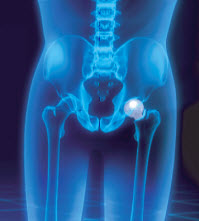
“The TMC Orthopaedic Center and our partners at the Tucson Orthopaedic Institute are proud to announce this important recognition of our world-class orthopaedics program,” said Judy Rich, president and chief executive officer, Tucson Medical Center. “We take pride in our busy joint replacement program, which is staffed by a care team that is best in class. This designation validates that expertise.”

The TMC Orthopaedic Center is a word-class facility dedicated to the needs of the orthopaedic patient and designed with the full continuum of care in mind. The four-story Orthopaedic and Surgical Tower includes 10 state-of-the-art orthopaedic operating rooms that can accommodate both inpatient and outpatient surgeries, and a dedicated 40-bed orthopaedic unit with all private rooms.

“Tucson Orthopaedic Institute collaborates with TMC on clinical and quality initiatives. That commitment has resulted in measurably better care and outcomes for our patients; and they are able to experience an improved quality of life from the orthopaedic care received here,” said Lawrence Housman, M.D., president, Tucson Orthopaedic Institute.

For 2015-16, U.S. News evaluated hospitals in 16 adult specialties and ranked the top 50 in most of the specialties. Less than 3 percent of the nearly 5,000 hospitals that were analyzed for Best Hospitals 2015-16 were nationally ranked in even one specialty.

“A Best Hospital has demonstrated expertise in treating the most challenging patients,” said Ben Harder, chief of health analysis at U.S. News. “A hospital that emerged from our analysis as one of the best has much to be proud of.”

In rankings by state and metro area, U.S. News recognized hospitals that perform nearly at the level of their nationally ranked peers in one or more specialties, as well as hospitals that excel in multiple common procedures and conditions.

U.S. News publishes Best Hospitals to help guide patients who need a high level of care because they face a particularly difficult surgery, a challenging condition or extra risk because of age or multiple health problems. Objective measures such as patient survival and safety data, adequacy of nurse staffing and other data largely determined the rankings in most specialties.

The specialty rankings and data were produced for U.S. News by RTI International, a leading research organization based in Research Triangle Park, North Carolina. U.S. News used the same data, as well as the new Best Hospitals for Common Care ratings, first published in May, to produce the state and metro rankings.

The rankings are freely available at https://health.usnews.com/best-hospitals and will appear in the U.S. News “Best Hospitals 2016” guidebook, available in August from the U.S. News Store.

About Tucson Medical Center

Tucson Medical Center, licensed at more than 600 beds, has been Tucson’s nonprofit community hospital for more than 70 years. In addition to serving as a regional resource for emergency and pediatric care (including Tucson’s first Pediatric Emergency Department), TMC offers top-notch intensive care units for adults, children and newborns. Specialty areas include women’s, maternity, cardiac, orthopaedic, neuroscience, neurologic, pediatric and imaging. TMC, designated as a ‘Most Wired’ hospital, employs a top-level electronic medical record system.

About Tucson Orthopaedic Institute

Tucson Orthopaedic Institute is one of the Southwest’s leading orthopaedic medical practices. With three locations and 50 practitioners, Tucson Ortho provides comprehensive surgical and non-surgical treatment, serving both adults and children. The fellowship-trained physicians at Tucson Orthopaedic Institute’s Centers of Excellence are committed to improving patient care through community education and outreach efforts to promote lifestyles that create strong, healthy bones, joints and muscles.


Anterior Hip Replacement – What Is It All About?

Our joint replacement surgeons are often asked about the latest developments in arthritis surgery. With the advent of minimally invasive techniques in orthopedic surgery, joint surgeons at Tucson Orthopaedic Institute (TOI) are performing hip replacement through the front (anterior) of the hip as opposed to the more traditional posterior, or backside approach. TOI physicians currently using this approach with some patients are Kevin W. Bowers, MD, and Edward P. Petrow, Jr., DO.

The logic behind anterior hip replacement is to try to minimize muscle damage by working through the natural intervals between muscles to gain access to the front of the hip, as opposed to detaching and repairing the muscles to gain access to the hip joint from behind. However, some questions still remain relating to the anterior approach.

Is anterior hip replacement a new technique?

No. The anterior hip approach was first described by Smith-Petersen in 1917. It was used by the French surgeon, Robert Judet, in 1947 to perform an isolated femoral head replacement. This later evolved into other French surgeons performing complete hip joint replacements through an anterior exposure in the 1960s.

Why all the interest if this technique has been in existence since the 1960s?

Early surgeons found that the visualization of the hip socket was excellent through the front of the hip; however, it was very difficult to insert a long straight metal stem down the femur through an anterior approach. If complications occurred during surgery, it was very difficult to change or extend the anterior approach to overcome difficult surgeries and provide for better visualization. Therefore, most surgeons opted to perform hip replacement through posterior, or posterior and lateral (anterolateral) exposures.

The posterior approach has become the most popular way to perform hip replacement since that time. However, the posterior approach has historically been associated with a higher dislocation rate, while the anterolateral method can leave the repaired muscle weaker and can cause a limp as compared to replacements performed through the front of the hip.

By using specialized instrumentation, newer generation hip implants, a custom operating table, and real-time intra-operative X-ray equipment, anterior hip replacement has made a resurgence. These additions have allowed the anterior approach to become easier and more reliable to perform than before.

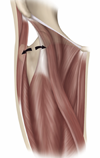
Figure 1.0
Muscles parted for
access to hip joint.

What are the benefits of anterior hip replacement?

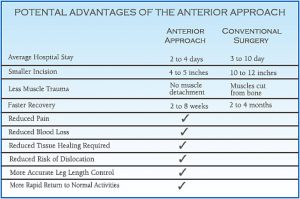
Since anterior total hip replacement does not require the detachment or splitting of any muscles about the hip, thus preserving muscle strength, patients report less pain as well as a quicker return of function after surgery (see Figure 1.0).

Richard Murlless, a 65-year-old Sahuarita resident, found this to be true after undergoing anterior hip replacement in February with Dr. Petrow. Murlless could bear weight and walk, using a walker, within the first week following surgery. Murlless explains that soon after surgery he had “less pain than what I was suffering before surgery.”

Murlless opted to wait until a new surgical table was available at the hospital to have his hip replaced because he did not want to be “incapacitated” for several months with the conventional approach. Both Dr. Petrow and Dr. Bowers, who uses this special operating table and real-time intra-operative X-rays, have the ability to position the replaced hip components more accurately and reproduce the hip’s natural anatomy (see Figure 2.0).

For example, the table is designed to allow extension of a patient’s leg downward, which gives frontal access to the hip that is not possible with conventional tables. It also allows the use of intra-operative X-ray, which gives a more accurate recreation of the patient’s leg length.

Figure 2.0
Operating table developed for anterior hip surgical technique.
 
Lastly, since the hip is reconstructed through the front without destabilizing the structures on the back of the joint, there does not appear to be any reason to place patients on routine hip precautions post-operatively, such as limited hip motion for 6-8 weeks.Murlless began his rehabilitation quickly following surgery and recovered nearly 100% of his previous range of hip motion after 4 sessions of physical therapy. He says his progress is on par with others who have received this procedure, but those who he has spoken to are impressed. Since surgery, 7 weeks have passed and he now considers himself fully recovered and pain-free.Dorothy Krieger, of Saddlebrooke, Arizona, had a similar experience in her recovery following anterior THA back in March. Krieger felt her left hip was “unreliable” and eventually she was unable to walk because of constant pain. When discussing with friends, they were confident in Dr. Bowers’ skills and gave encouraging testimonials for this procedure. Krieger said those comments were the “driving force behind my decision to have surgery.”

The 62-year-old underwent anterior total hip replacement on March 2 and was able to walk without an assistive device after one week; then she completed physical therapy 4 weeks after that. Krieger says she is happy with the result and is able to enjoy activities again, like hiking.

What hip approach is recommended?

Since every hip exposure has specific pros and cons (see Figure 3.0), it is recommended to discuss your options with your surgeon. It is the job of the surgeon to match each individual patient’s need to the specific approach. Patients and surgeons want to minimize pain and speed recovery, yet the main objective of hip replacement is to provide patients with a well done operation, with good component position, and the expectation that it will last for the next 20 years.

Figure 3.0  Advantages associated with the anterior approach compared to conventional surgery.

Caring for the Underprivileged in Vietnam

Giving Back

DR. RUSSELL COHEN VOLUNTEERS IN VIETNAM TO PROVIDE MEDICAL CARE TO THE UNDERPRIVILEGED

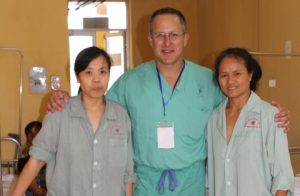
When a young woman in a small Vietnamese village suffered an injury as a child, the resulting healing caused her to walk with pain and a noticeable limp. Sadly, this made it very difficult for her to lead a normal life, which included her finding a potential spouse.

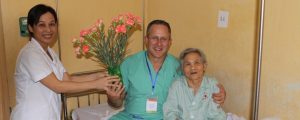
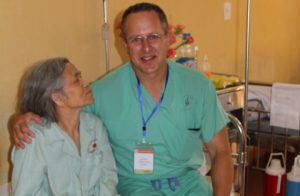
Like so many men and women in impoverished parts of the world, this young woman did not have access to the kind of specialized medical care that is often taken for granted in more industrialized parts of the world. Luckily, there are health care professionals who are trying to change that, including Tucson Orthopaedic Institute’s Dr. Russell Cohen, who treated this young woman while volunteering in Vietnam in October 2014.

Dr. Cohen is a member of a private, not-for-profit, volunteer medical services organization called Operation Walk. Founded by Dr. Lawrence Dorr in 1995, Operation Walk provides surgical treatment to patients with debilitating joint conditions in underdeveloped, or developing, parts of the world who otherwise would not have access to such care.

This most recent trip is the second time Dr. Cohen has volunteered his time in Vietnam and the second trip he has made with Operation Walk. Dr. Cohen volunteered in Haiti to provide care after the earthquake and he also volunteers with other TOI surgeons to serve in Ecuador.

When asked why he volunteers his time Dr. Cohen said, “When the people I treat look me in the eye and say thank you it is an amazing feeling. To know I was able to play a part in making somebody’s life better is my reward.”

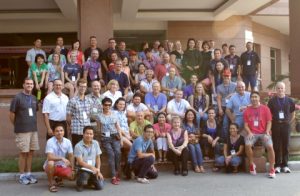
Working with 50 support staff and 5 other surgeons, Dr. Cohen and the Operation Walk team were able to replace an astonishing 59 joints in just 3 ½ days! While doing surgeries, Operation Walk providers also educated and trained local physicians on new joint replacement techniques, allowing them to offer a higher level of care for their patients.

The young Vietnamese woman that Dr. Cohen treated on this trip was walking normally just one day after her surgery. Dr. Cohen was excited about her recovery and the opportunity she now has to live a full, and normal, life.


If you would like to learn more about Operation Walk please visit their website at https://www.operationwalk.org.

Exercising Caution: Too Much, Too Fast, Too Soon

If someday you find yourself sitting around the house with your leg in the air, the limb wrapped in ice and towels – looking like a corn dog – you may need to see a surgeon. William Prickett, MD, an orthopedic consultant for the University of Arizona athletics department (and sports medicine surgeon at Tucson Orthopaedic Institute), has seen it all.

“The most common thing that leads to injury is the proverbial ‘terrible too’s’ – they do too much, too fast, and they do it too soon.” The CDC reports that in 2011, unintentional overexertion was the second-leading cause of non-fatal injuries in people aged 25-55. “I tend to see lots of shoulder problems from overuse injuries related to racquet sports and golfing.”

“In younger patients, in the shoulder, there tends to be more surgery that’s related to instability and it involves reconstructing and repairing ligaments. More common in the weekend warrior or older athlete is rotator cuff work.” 

If, like an automobile manufacturer, Dr. Prickett could recall one body part, it would probably be the shoulder.

“The shoulder is very much dependent on muscles and soft tissues for stability. The range of motion that we have puts that joint at significant risk. The amount of force that we create just throwing a baseball is excessive and sometimes more than I think it was engineered to do.”

Overuse injuries can be prevented by cross training and using good form and technique, according to Dr. Prickett. Overuse injuries are different than acute injuries. “The acute traumatic injuries often are just unlucky,” he says. “Somebody gets injured on a trampoline or playing basketball. They may have been playing for years and for whatever reason they were unlucky that day.”

So what are the signs that you should see a doctor?

“If someone is having difficulty with weight bearing, if their extremity looks different, there’s numbness or tingling, and severe pain that’s not improving – all of those things are red flags saying this is not just muscle soreness.”

Dr. Prickett has some new tools he can use to repair injured joints.

“There have been advances in things such as growth factors and platelets – using your own blood to treat your injuries.”

This is called platelet-rich plasma. “We use a component of the patient’s own blood that is injected back into the site of injury, with the goal of allowing the body to heal itself.”

He also can use tissue engineering, replacing cartilage defects, most commonly in the knee. “There are techniques that allow you to remove small pieces of cartilage, expand them in the lab and then put them back into the defect,” he says.

“The most common thing that we see done now is a rotator cuff repair, which is a shoulder procedure to repair torn tendons.” Historically this was done where the muscle was divided and then the tendon was repaired back to the bone, but now with improvements in arthroscopic techniques it can be done without cutting the muscle.

“This is due to advances in the ability to visualize structures and new instrumentation and fixation techniques,” Dr. Prickett says. “Not only can we see better, but we can manipulate tissue better, and we’ve had advances in the ability to fix tendon to bone.”

Tendons connect muscle to bone, which are different than ligaments that connect bone to bone. “In the shoulder, most injuries occur where the tendon attaches to the bone. You can see weakening of the tendon and tearing of the tendon.” This is where Dr. Prickett gets down to some serious suturing.

“A repair of the tendon is hooking the tendon back into the bone. We have anchors that have suture attached to them, so we put an anchor in the bone. Suture then gets wrapped around the torn tendon and you tie it back together. These type of tendon injuries don’t heal on their own, so you need to repair it,” he says.

Once repaired, the patient may feel a little too good. “One of the struggles we have as physicians with any type of reconstructive procedure is that there are times when they feel great, but it’s not in the patient’s best interest to high load that joint with exercise.”

One way to try and stay out of his office is to take care of your feet.

“There’s been a big trend in barefoot running, but if you can keep your feet covered, I don’t understand why you wouldn’t,” he says. “The key thing is comfort. I see a lot of patients who try new things, new trends. Don’t try to make your foot or your gait fit into something that’s not comfortable for you, because that’s where we see a lot of these overuse injuries. To me it’s a little like trying to put a square peg in a round hole. If it doesn’t feel right, if it hurts, stop.”

He can’t say if he has a favorite procedure he performs. “All of them are interesting and enjoyable on my part, because you get people back to doing things that they want to do. I love working on athletes’ knees and reconstructing their ACL, because it’s exciting to see athletes be able to get back to participate in what they enjoy doing.” He concludes, “It’s just as exciting to see a soccer player get back on the field as it is to see a grandparent feeling comfortable picking up their grandchild.”

For more information about Dr. Prickett, or to make an appointment, please contact the Northwest office.

Excerpt from the September 2014 issue of Tucson Lifestyle Magazine

Written by Owen Rose

Photo credit: Kris Hanning

View the article in its entirety

Deserving Southern Arizona Patients Receive Free, Life-Changing Surgery

Tucson man is one of 10 patients who will receive total joint replacement surgery as part of a nationwide program

TUCSON, Ariz. – On Friday, Dec. 6, 10 patients from around Southern Arizona will receive the joint replacement surgery they so desperately need but are unable to afford. It’s all made possible through a partnership between Tucson Medical Center and Operation Walk, a private, not-for-profit, volunteer medical services organization that provides free surgical treatment for patients who do not have access to life-improving care for debilitating bone and joint conditions.

Four of Tucson Orthopaedic Institute’s hip and knee surgeons, Russell Cohen, MD, Lawrence Housman, MD, Andrew Mahoney, MD, and John Wild, Jr., MD, will perform joint replacement surgeries on qualifying patients inside TMC’s new Orthopaedic and Surgical Tower. “It’s so gratifying to be able to help these people get back to doing what they love, without being in pain. Some of these patients – through no fault of their own – had their lives turned upside down, and I am happy to be able to help them in this way. It’s the right thing to do,” said Dr. Housman. 

The patients meet medical guidelines, as well as financial poverty guidelines.

One of those patients is 49-year-old Carlos Lopez, a father of four who suffered an on-the-job injury back in August of 2009. Lopez, a food service truck driver, was on Interstate 10 headed to Texas when a car slammed into his truck causing it to roll. “I felt like I was in a tornado,” he said. Lopez’s legs were pinned beneath the steering wheel, and he was trapped for about half an hour until emergency medical services arrived and cut him out of the wreckage.

Lopez underwent therapy, but when he returned to work a month later, the pain continued. He endured it for years until it forced him to quit in January 2012. “The pain was unbearable. I would fall off the ramp at work and injure myself. I was physically not able to do my job anymore. Since my case had been closed, I was not eligible to receive any more help under worker’s comp,” said Lopez.

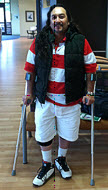
“My legs are uneven because of the problem with my right hip, and my left leg being forced to compensate. I live with constant, excruciating pain between my knee and hip. I’ve developed a hernia from my injuries, as well as a back problem.” Lopez now walks with double canes for support.

Lopez received word a few weeks ago that he had been selected for the program. “I felt so overwhelmed when I received that phone call,” he said. “I know the recovery process will be challenging, but I’m ready for it. I feel so blessed and will do whatever it takes to get back on my feet without my double canes.”

As part of the program, the surgeons from Tucson Orthopaedic Institute, and anesthesiologists from Old Pueblo Anesthesia, will donate their time and expertise. Hospitalists will be volunteering time to care for patients after their surgery. Tucson Medical Center is donating the space and necessary prescription medications. Stryker Orthopedics is providing the joints, and Gentiva will provide free home health services to assist these patients during their recovery.

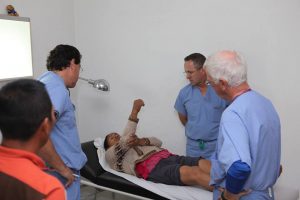
These patients will have top-notch care provided to them at no cost from the minute they show up for surgery, all the way through their recovery process. This program will give these patients the ability to drastically improve their quality of life.

As released by Tucson Medical Center on December 4, 2013

Tucson Ortho Doctors Return to Ecuador for Second Year to Help Patients

This November, Tucson Orthopaedic Institute surgeon, Luis Piedrahita, MD, returned to Ecuador with a team of volunteers to provide orthopaedic treatment to underprivileged patients. The humanitarian effort was set up by Dr. Piedrahita; this was the second year he organized the trip to Quito. He invited some of his Tucson Ortho colleagues, including Russell Cohen, MD and Murray Robertson, MD. Nurse practitioner, Melanie Daniel; TMC surgery scrubs, Jim Clowes and Bianca Hernandes; Stryker representative, Jordan Smith; OPA anesthesiologist, Jose Samson; and volunteersMarianna Caballero and Mike Balthazar also made the trip to volunteer their expertise. 

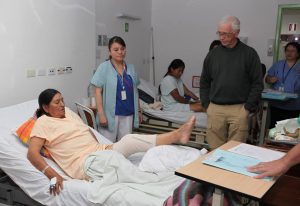
At Hospital Padre Carollo, the team screened about 25 patients for knee replacements and performed 15 total knee replacements over the course of 3 operating days. Stryker’s local branch manager, Tom D’Amore and representative, Jordan Smith, once again donated the implants and Tucson Medical Center donated much of the medical supplies used for surgery.

Dr. Cohen joined the group this year to help with the mission and to support Dr. Piedrahita’s worthy cause. The team laughed and also cried, and enjoyed each other’s company. The experience left them all feeling enriched and thankful for the chance to give back.

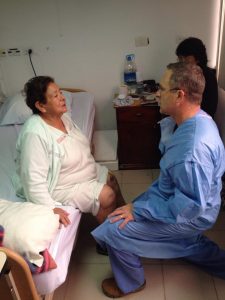

Following the trip, Dr. Cohen said, “The trip was incredible and the team was as efficient a team as I have ever worked with, each doing their part to support the greater cause.” He felt truly honored to take care of those in great need, who otherwise would never receive the assistance they needed.

Below are some photos from the team’s time in Ecuador, which were shared by Dr. Cohen:


Ankle Replacement a Viable Option for Injuries

SIERRA VISTA – Three and a half years ago, Hereford-based handyman Michael Hill was in his backyard, working on his travel trailer, when he took a spill off of a six-foot ladder. “It wasn’t a far fall, but I fell wrong,” Hill said in January. That short fall would result in a fractured tibia, or the shin bone, just where it meets the foot and the ankle. “I just sheared a piece right off,” he said.

After a trip to the Sierra Vista Regional Health Center and two metal plates and 17 screws later, Hill thought he was on the road to recovery, but for months he was plagued by constant, sharp pain. The calcification resulting from the break was harder than the bone itself, and any movement was wearing out the cartilage in the joint. “I was in constant pain,” he said.

Determined to continue working, for a while, Hill simply grit his teeth and got back to taking jobs around the Sierra Vista area. “I do handyman work, so it’s constant walking,” he said. “Every time you got up to do something, there was a constant grinding” of the ankle. Some days, the pain was so bad, Hill would have to take the day off. On the worst days, he thought long and hard about even getting out of bed. “The pain would get to be so much, you’d quit early, or call and cancel a job because you just couldn’t get up,” he said.

About nine months after his initial surgery, Hill elected to go back under the knife in the hopes that removing the metal plates would offer him some relief, to little affect. Soon, more and more of his free time was spent on the Internet, researching injuries like his and looking for any possible solution beyond an ankle fusion, what he had been told was the only surgery local doctors would perform.

After three months of reading medical websites, visiting online forums and speaking with others who have experienced similar injuries, Hill knew that a fusion, which would dull much of the pain but result in very limited mobility, was not an option. “Ankle fusion was totally out of the question for me. At the time, I was 46. You’re too active at that age,” he said.

Eventually, his search led him to the website of Wright Medical Technology’s IN-BONE total ankle replacement, a prothesis that is implanted into the tibia in segments to form a long stem, requiring a smaller piece of the bone to be removed during surgery, and therefore retain much of its original strength.

The surgery entails the use of a combination of a specialized brace to steady the foot, allowing for more accurate x-rays and implantation of the prosthesis. “That’s how they get a proper alignment,” Hill said.

After learning as much as he could about the procedure, Hill set out to find a surgeon, and soon ended up in the office of Dr. Geoffrey Landis, a fellowship-trained foot and ankle orthopaedic surgeon with the Tucson Orthopaedic Institute.

“In Michael’s case, his options were really an ankle fusion versus an ankle replacement,” Landis said. “He was well aware of the options and the subsequent results of those options.” Landis added, “Thankfully, he worked very hard throughout his therapy to maintain motion in his ankle,” making him an even more appropriate candidate for ankle replacement as opposed to ankle fusion.

Over the last five to 10 years, ankle replacement surgery has progressed enough that it has become a more viable option on the scale of the more commonly seen hip replacement. “We now look at ankle replacement as a way to give people a more functional return to life along with pain relief,” Landis said.

In April of 2011, after months of living in debilitating pain and nearly two years after the initial injury, Hill went in for the ankle replacement surgery in Tucson. After a successful surgery with “little to no complications to speak of,” Landis said Hill’s subsequent rehabilitation and recovery have been a model success. “Here I am two years later and it’s the best move of my life,” said Hill, who is pain-free with 90 to 95 percent of his original mobility. “I can’t run, but that’s fine. I don’t plan on doing much of that anyway.”

Following 10 months of physical therapy sessions twice a week, his productivity is back to near the original level as well. “It’s easier to get around and do everything,” he said. “I’ve never broken a bone in my life until I got older. I don’t have anything to compare it to. All I know is I’m a hell of a lot happier.”

These types of ankle replacement surgeries are becoming more common, Landis said. He, himself, will perform about 15 to 20 of them every year.

Hill said he wanted to share his story because, before his injury and subsequent research, he had heard very little in the way of ankle replacement surgery. “Knee and hip replacement surgeries are so widely publicized, but you never hear about this,” he said. “I thought if word got out, more people could benefit.”

Written by Derek Jordan

As published in the Sierra Vista Herald, January 20, 2013

Helping Underprivileged Patients in Ecuador

I recently returned from a trip to Quito, Ecuador, along with staff from Tucson Orthopaedic Institute and other personnel, where we provided total knee replacements to patients with limited access to orthopaedic treatment. The group was created by Luis Piedrahita, MD, who has been involved with medical missions for 12 years and often participates with a similar group one or more times a year.

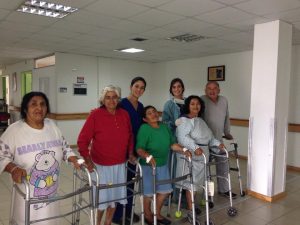
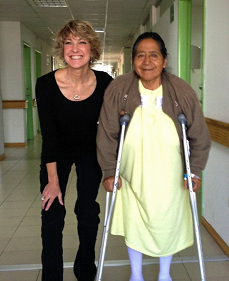
Lori Bryant, PT smiles with a patient

This trip was the first that Dr. Piedrahita coordinated on his own and he invited many colleagues from Tucson Orthopaedic Institute, including orthopaedic surgeon, Edward Petrow, Jr., DO, Laura Zimmerman, NP, and myself, Lori Bryant, PT. Zach Nandin, surgery technician at St. Mary’s Hospital, Sarah Gude, medical student, Jamison Trevino and Jordan Smith, from Stryker, also made the trip.

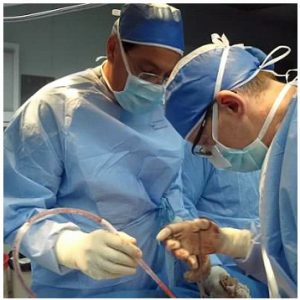
Luis Piedrahita, MD and Edward Petrow, DO performing surgery in Ecuador

Following a selection process, the team provided ten patients with knee replacements. All of the surgeries were performed in an operating room at Hospital Padre José Carollo. Stryker donated all of the implants, Tucson Medical Center donated much of the medical supplies, and OneStop Affordable Home Medical Equipment, a program of Jewish Family & Children Services of Southern Arizona, supplied all of the crutches.

Although the surgical conditions were very primitive and we had to improvise with limited supplies, the outcomes were extremely rewarding. The patients were incredibly grateful, breaking out in spontaneous applause when we arrived, and crying in gratitude after their surgeries for giving them the opportunity to walk once again.

 All of us that had the opportunity to go on this trip were given a chance to see what gratitude really looks like. These patients had so very little…no ice in the hospital, minimal pain control, and only one of the patients had his own cane.

Dr. Piedrahita hopes to repeat this trip on an annual basis, involving more people and providing a greater number of surgeries to those less fortunate living in our southern hemisphere.

I am honored and proud to work alongside my colleagues who donated their time and expertise to this extraordinary venture, and I encourage any of you who might be interested in visiting Ecuador to mark your calendars for the first week of November 2013. Hasta la vista!

Written by Lori Bryant, PT

Front: Zach Nandin, Laura Zimmerman, NP, Sarah Gude, Lori Bryant, PT
Back: Edward Petrow, DO, Jamison Trevino, Luis Piedrahita, MD, Jordan Smith

Tucson Ortho Surgeon Offers Help to Local Patients in Need

Russell Cohen, MD, Tucson Orthopaedic Institute hip and knee surgeon, developed a program to provide free total joint replacement surgeries to local underserved patients with debilitating hip or knee arthritis.

This is the first program of its kind in Tucson and the idea came to Dr. Cohen because he has done similar programs in Vietnam and Haiti, with Operation Walk – a non-profit organization that sends volunteer surgeons to developing countries to perform joint replacements.

The first recipients of this program will take place September 29, 2012 – there will be six surgeries performed by Dr. Cohen, including two hip replacements and four knee replacements, and one of those will be performed by both Dr. Cohen and fellow Tucson Orthopaedic Institute surgeon, John Wild, Jr., MD.

Something More: Osteoarthritis

Most of us know better than to drain the oil from our car and let the motor run. The heat from the friction would soon cause it to seize, destroying it in minutes.
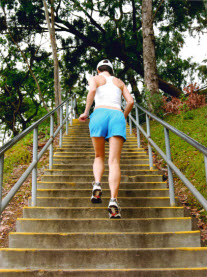
Osteoarthritis, the most common form of arthritis, is another example of what happens when protection against friction is removed. It occurs when the cartilage, the smooth tissue covering the ends of bones where they meet at our joints, breaks down and wears away. The bones rub together, causing pain, swelling, and stiffness. Bone spurs develop, permanently changing the joint’s shape.

The result, as the approximately 27 million Americans who are afflicted with osteoarthritis know too well, is painful and even crippling.

Osteoarthritis is incurable, and no cure is expected in the foreseeable future. Still, advances in medical technology and research have made inroads both in treatment and prevention.

While osteoarthritis is simply wear and tear on joints, genetics and lifestyle are factors in predicting who may experience osteoarthritis. Trauma to joints from sports and occupations can break down cartilage.

An Ounce of Prevention

People who want to minimize or delay onset of osteoarthritis can take steps, advises Edward P. Petrow, Jr., DO, a physician with the Tucson Orthopaedic Institute.

“The most important thing you can do is lead an active lifestyle,” he says. “The saying that a rolling stone gathers no moss applies to our bodies. We peak around age 25 and are in a state of decline from then on. The only thing that seems to slow that down is diet and exercise.”

The onset of osteoarthritis doesn’t mean activity should end, he notes, but it might require switching gears. Giving up exercise can make it worse.

“People with arthritis sometimes have to change gears,” Petrow says. “They may switch from running to cycling or swimming.”

Runners may feel they are losing exercise benefits, for example, if they switch to walking, but walking burns the same amount of calories per mile covered as running. It takes longer to cover the distance, but walking also can be more enjoyable.

It’s important to choose an alternative you enjoy, he adds.

“I ask people, ‘What do you love to do?'” he says. “If you love to run and I tell you to swim and you hate to swim you’re not going to do it. Find an activity that you can modify to fit your lifestyle.

“I think Tai Chi is fantastic,” Petrow continues. “I encourage our patients to practice it, more for balance and proprioception. Balance is like muscle: you can train and improve it.

Better balance and muscle tone help prevent falls, and can decrease pressure on joints.

“Every little bit helps,” he says, but people should not expect total relief.

“Muscles are shock absorbers and exercise can help,” he says, “but when you have bone on bone, it doesn’t matter how much muscle tone you have.”

As with most medical conditions, a healthy diet is important in minimizing damage to joint, and that’s a lot less complicated than some people may realize. Expensive supplements, for example, are likely to be a waste of money.

“A lot of the information about supplements is voodoo,” Petrow says. “Keeping a healthy body weight will by far help your joints more. Every extra pound of body weight exerts three to four pounds of force on you knee joints, every step, every day.

“Calories are just a number, and you need to look at how to deduce them,” he adds. “It’s simple math.”

Fad diets and supplements come and go, he notes, and some might do actual harm.

“Study results are published in a vacuum, and often the media grabs one tidbit and it becomes the new in thing to do,” he says, adding that mainstream media can play a role in popularizing unproven diets and supplements.

Not Your Grandmother’s Joint Replacement

People contemplating joint replacement may be reluctant to consider it because of past experiences by friends and relatives. They may want to take another look; a lot has changed, even in the past 10 years.

“The marriage of techniques and technology has helped orthopedics deliver a better lifestyle,” says Petrow.

People who were advised to delay replacement because the joints wear out now can expect them to last 20-25 years. And the surgery techniques have improved significantly. The practice of “banking blood ahead of time for transfusions during surgery is no longer needed, for example, and the hospital stay has decreased from three weeks to a few days. 

“We are delivering joints through smaller incisions, which are less invasive,” Petrow said. “When you combine that with improved technology we’re entering a golden age of what we are able to do.”

“The nuts and bolts are the same,” he continues. “We have better instrumentation to make more accurate incisions, and we’ve improved our techniques.”

Surgeons now do hip replacement through the front, which reduces the amount of muscle to cut, making recovery faster.

Technology and improved methods help, but Petrow says the skill and experience of the surgeon remain the most critical considerations for people seeking joint replacement.

Drug Therapies: Relief, but at a Cost

Medication can relieve the pain, but Petrow urges caution in using drugs to treat arthritis.

“I remember a pharmacology professor telling us that all medicines are poison, and we should try to avoid taking poisons,” he says. “Nutritional therapies like glucosamine and injectibles will not bring back what’s gone; they just treat the symptoms, and they come with a price.”

Sometimes the price can be higher than people realize.

“Celebrex was a popular arthritis prescription drug, then we learned about heart disease and stroke issues,” Petrow says, adding that with medications, “less is better, so use them only when you need to.”

At some point, Petrow says, science will allow doctors to harvest cartilage out of a joint, grow it in a laboratory and transplant it to a patient, but as of now such procedures are just a dream.

“Growing and transplanting cartilage is the Holy Grail in orthopedics right now,” he says. But it’s a long way off.”

Osteoarthritis is incurable, but incurable does not mean hopeless. People with osteoarthritis have a variety of treatment options, and going over them with a physician could minimize the impact on their enjoyment of life.

“If you have pain in your joint that limits your lifestyle, you should talk to someone about it,” Petrow advises. “People may think they are too old or too young to undergo treatment for arthritis, but you’re never too old or too young to enjoy your life, and you only get one.

Don’t assume that what was true for a friend or relative 10 or 20 years ago applies today.

“A lot of misconceptions have lingered from the earlier days of orthopedic surgery,” he says. “Motion is life. If you can’t enjoy your life, sit down and talk to someone about it – no matter what your age is.”

Written by Mark Flint

As published in Tucson Osteopathic Medical Foundation publication, “Something More for You, the Osteopathic Patient”, Vol. 14, Issue 1, 2012

Exhaust Options Before Joint Replacement Surgery

Non-steroidal anti-inflammatory drugs (NSAIDs) acetaminophen, glucosomine and chondroitin nutritional supplements, cortisone injections and rooster cartilage – yes, rooster cartilage – may help avoid the need for hip and knee joint replacement surgery.

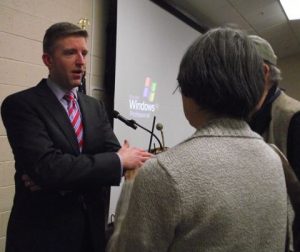
About 65 people came to the East Social Center on Thursday to hear Dr. Edward Petrow, a surgeon at the Tucson Orthopaedic Institute, talk about remedies for stiff and weak joints before considering joint replacement surgery.

Dr. Edward Petrow speaks to members of the audience after his talk.

Petrow explained that osteoarthritis is the wearing down of articular cartilage of the joints and begins at 25. As one ages, symptoms of the wearing down may result in joint soreness, stiffness and pain caused by weakening of the muscles surrounding the joint due to inactivity.

Acetaminophen doesn’t decrease or reduce inflammation, but will reduce pain, he said.

Glucosomine and chrondroitin, a food supplement not regulated by the Food and Drug Administration, doesn’t work for everyone and usually takes three months to determine whether it is effective.

Cortisone injections can reduce swelling and discomfort, and if effective may be repeated every three months.

Hyaluronic acid injections, which comes from the cartilage of rooster combs, is said to restore lubrication and fluid in joints and can last six to 12 months.

Weight loss can affect joints in a positive way.

“Lose one pound and it reduces three to four pounds of pressure on your knees,” Petrow said.

If All Else Fails

Though he advises trying non-surgical remedies first, Petrow said the time to consider joint replacement is when there is loss of function.

About 500,000 hip replacement surgeries are done annually in the U.S. Though knee replacement is the gold standard of care, minimally invasive knee surgery will result in less trauma, less bleeding and pain and a smaller scar,

Exhaust all non-surgical options. Minimally invasive technology reduces complications, Petrow advised.

New advances include computer-assisted surgery where a computer makes a model of a patient’s hip or leg, and intra-operative imaging is now available for more accurate leg length with hip replacement surgery.

For an appointment with Petrow, call the Tucson Orthopedic Institute at (520) 382-8200.

Written by Ellen Sussman, Special to the Green Valley News

As published in the Green Valley News, Wednesday, December 21, 2011

Treating Arthritis: Making Gains Against The Pain

Although there are 100 types of arthritis, and many forms of treatment, research is getting us close to significant improvements in care. Here are some of the local developments that offer hope.

Arthritis is America’s number one cause of disability, costing the U.S. economy more than $128 billion a year, according to the Arthritis Foundation. The organization’s Southern Arizona Chapter reports that in Arizona alone, approximately 1.1 million people have some form of the disease. Six thousand of those are children.

Considering how prevalent the disease is, there’s still much research, education and drug testing to be done. Arthritis is complicated – it has 100 different forms, including many autoimmune disorders; it can be difficult to diagnose; and despite the number of drugs on the market, there’s no single treatment that works for everyone.

“Arthritis is a Greek word meaning ‘swelling of the joint,'” says Susan Sweeney, executive director of the Arthritis Foundation’s Greater Southwest Chapter. “Osteoarthritis (OA) is the number one disease in our group; rheumatoid arthritis (RA) is second. Then there’s lupus, which can be of the skin or different kinds; fibromyalgia; or psoriatic arthritis,” the type PGA player Phil Mickelson was diagnosed with in 2010. Autoimmune forms of arthritis have very different causes than OA, but they generally all create joint pain.

Two local medical groups are aggressively pursuing advancements in the field of arthritis, with cutting-edge research being conducted at the Arizona Arthritis Center and innovative patient treatments being done at Tucson Orthopaedic Institute (TOI).

Located on the University of Arizona College of Medicine campus, the Arizona Arthritis Center is headed by Eric Gall, MD, the center’s founder and current interim director.

He says the main focus at the center is immunology and inflammation. A current study, led by John Szivek, MD, is exploring a new treatment for OA patients. “Dr. Szivek worked with artificial joints early on. Now he’s studying re-growth of cartilage in damaged joints using non-controversial stem cells,” Dr. Gall explains. “They’re taken from the fat of the abdomen, he grows them and reintroduces them to grow into new cartilage. This is a new approach in this area. His lab is waiting to be FDA approved to do the study in humans.”

Other research underway at the center includes investigating how to control lupus, clinical studies on pharmaceuticals and a look at valley fever in arthritis patients who are on biologic agents. “Fungal infections can come out in these patients,” and they must go off the drugs, Dr. Gall says. In the past, there’s been uncertainty about whether the patients could continue treatment after valley fever symptoms dissipated. “We’re asking, can you treat again after going off the drug?”

Physicians at Tucson Orthopaedic Institute are attracting attention for three progressive procedures that help those with deteriorating joints. Eric Anctil, MD is performing the Scandinavian Total Ankle Replacement (STAR) surgery, which results in greater range of motion than what’s achieved with other options.

The STAR device, states Dr. Anctil, “is the only implant that’s mobile bearing.” Other ankle replacement devices are fixed bearing and therefore limit motion, as does ankle fusion. The procedure was developed by a Danish surgeon and has been commonplace in Europe and Canada for 15 to 20 years. The Food and Drug Administration approved the technique in the U.S. two years ago.

Anctil moved to Tucson from Canada, where he’d been performing the surgery for years. “When I first came here, I didn’t use another replacement; I waited for the FDA approval. I was the first one in Arizona to do it. Now there are one or two doctors who do the procedure in Tucson and some in Phoenix,” he says.

Those who have put off hip replacement surgery in anticipation of something less invasive now have another option, currently being performed by Edward Petrow Jr., DO. “With anterior hip replacement (AHR), instead of cutting muscle to get to the hip joint, we move the muscle to the side from the front. It’s a quicker initial recovery and patients are off the cane or walker in the first week or two. Other advantages are that there are no hip precautions and a much lower risk for hip dislocation.” The incision, he says, is 8-10 centimeters.

Using real time X-ray makes the surgery more precise. “We use the opposite hip as a template to match leg length,” an issue which occasionally arises with other hip replacement techniques, Dr. Petrow notes. AHR is done on a special surgical table that allows extension of the patient’s leg downward, thus giving front access to the hip.

Like Dr. Anctil, Dr. Petrow moved to Tucson from an area where the surgery already was being performed. “I came from Virginia and did it there. I was surprised more people weren’t doing it here.” Dr. Petrow’s primary obstacle was convincing Hospital administrators to purchase the special table at a cost of $70,000 to $120,000, which they eventually did.

The surgery also requires special training. After performing approximately 40 AHR surgeries during his last year in Virginia and a dozen here, Dr. Petrow believes he’s the most experienced AHR doctor in Tucson. “It’s now sweeping the country,” he adds.

Just approved by the FDA is an innovative procedure for improving ee s, one that uses vitamin E to extend the life of the device. When this article was written, Scott Slagis, MD was the only Tucson doctor lined up to perform the surgery, which will begin once the implants are shipped. He explains that plastics in joint replacements are generally radiated during manufacturing to make them more durable. But radiation releases free radicals into the plastic, which can lead to oxidation and subsequent wear.

“You add vitamin E, which is an antioxidant, and it neutralizes the free radicals. It then may last longer and be stronger,” Dr. Slagis reports. He says the procedure is not age restricted, but it’s especially good for younger, active patients because of its longevity.

Dr. Slagis has seen small advancements in knee replacement procedures, which he’s been performing for 20 years. But he believes the vitamin E implant could prove to be significant. “This is one that may have profound implications,” he says.

Children With Arthritis

Although support programs abound for kids with arthritis, medical attention can be harder to come by, with a shortage of doctors nationwide.

“There are no board-certified pediatric rheumatologists in Southern Arizona, states Deborah Jane Power, DO, of Catalina Pointe Arthritis and Rheumatology Specialists, P.C. “I’m the only rheumatologist in Southern Arizona willing to see kids with juvenile arthritis 15 and younger.” She and her partners also treat adults with RA and OA.

Power explains the differences between the two: “Osteoarthritis is a degenerative, wear-and-tear condition. Some is genetic, some caused by obesity or trauma and bad injuries, such as sports related. The distribution in the body is knees and hips, the base of the thumb and the joint closest to the fingernail.” While she said there are no drugs that slow the progression of OA, taking anti-inflammatory drugs can help, as can exercise.

“Rheumatoid arthritis is an autoimmune disease that starts in the joint. The body attacks the joint lining in the synovial capsule.This causes swelling, pain and loss of range of motion. It’s whole-body inflammation.You also can have fatigue and a low-grade fever,” Power notes.

Nutrition plays a part in arthritis, as well, she says. “Dr. Andrew Weil believes dairy is inflammatory. Things like turmeric, garlic, cayenne and green tea help with inflammation, so patients can be given that. Foods in the nightshade family cause inflammation — tomatoes, potatoes and eggplant.” She suggests that people with RA and other autoimmune diseases avoid gluten, as it can stimulate the immune system.

Arthritis Foundation – Greater Southwest Chapter

The foundation’s primary goals, notes Executive Director Susan Sweeney, are to increase awareness of the disease, raise funds for research and provide local support for people with arthritis. “Money raised in Tucson stays to provide programs and services in Southern Arizona,” she says. These include seminars, health fairs, exercise classes, educational material, referrals, scholarships and kids’ camps — all coordinated out of the Arthritis Foundation’s office at 310 S. Williams Boulevard.

“We have community education classes where a physician and I go out to senior centers, senior communities or to the work place. One big thing we do is arthritis exercise classes. Water exercise and Tai Chi are especially good choices for arthritis patients. We train instructors and have partnerships with Tucson Parks & Recreation, for example.”

Often, it can take eight weeks to see a rheumatologist, according to Sweeney, and people want information on the disease while they wait. “We send them support group information, Arthritis Today magazine and a drug guide from the national office.” Her staff can refer callers to one of eight rheumatology groups in town.

Major fundraising events for the foundation include the Arthritis Walk, held each spring; the Jingle Bell 5K Run & Fun Walk in December; and a newcomer last year, the Surgeons vs. Chefs Pumpkin Carving Contest.

Chris Stead, local Arthritis Walk coordinator, reported that this year’s event drew more than 500 participants and raised approximately $40,000 through pledges, donations and sponsorships. Held at Brandi Fenton Memorial Park on May 7, 2011, the one-mile walk was kicked off by Mayor Bob Walkup, followed by entertainment and activities.

“We had community vendors and booths like Sam’s Club, Desert Diamond Casino and orthopaedic teams,” notes Stead. Ronald McDonald performed magic tricks for the kids, a disc jockey played music and a splash pad cooled everyone Down. “There was a dogathon, and K-9 Loyal Companions gave doggie massages. Dogs get arthritis, too,” Stead remarks.

This year’s holiday-themed 5K fundraiser is slated for Dec. 3 at Reid Park, he says.“It’s a timed run, people dress in holiday gear and we give awards. There’s also a contest with dogs; you can dress up your pet. Funds help with juvenile arthritis family camps and other programs.”

The foundation holds three camps each year: Camp Cruz, a week-long summer camp for 11 to 16 year olds in New Mexico; an overnight camp for younger kids; and a family camp held locally.

As published in Tucson Lifestyle Magazine, December 2011

Written by Christy Krueger

1 2

Search

+