Introduction to Spine Care

The care of patients with spinal disorders has become increasingly complex. As a result, more health care providers have become involved in caring for these patients. The spectrum of providers is wide and includes operative, nonoperative, and pain management specialists. This complexity has lead to increasing frustration and confusion for patients. The objective of this article is to introduce the individuals involved in treating spinal conditions and their role in the treatment of these conditions.

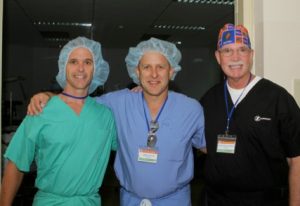
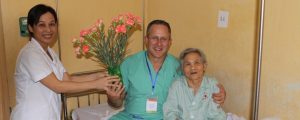
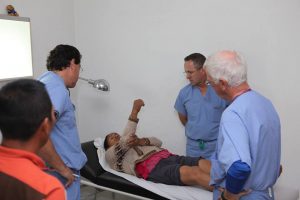
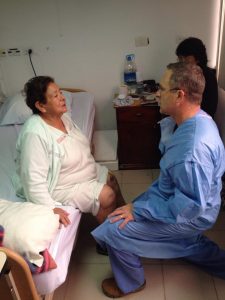
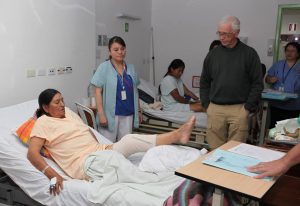
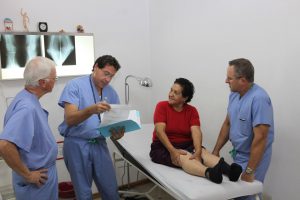
TOI-shots of doctors with patients

The first health care provider most patients will encounter for a back or neck problem is their primary care physician. It is his/her role to provide an initial examination and base his/her treatment on these findings. Typically, anti-inflammatory, pain and muscle relaxant medications will be recommended. Activity modifications (avoid excessive lifting, bending, twisting and turning) may also be recommended.

Physical therapists play an early, integral role in the treatment of patients with spinal conditions. They follow spine-based rehabilitation protocols depending on the patient’s diagnosis. A patient’s response to conservative treatment will often influence whether they will be referred to a specialist. Fortunately, most spinal conditions will resolve after approximately six weeks of conservative care.

During the treatment of spinal conditions, some patients will be referred for cortisone injections (epidural injections, nerve blocks, facet blocks) in order to alleviate their pain. Several different types of physicians perform these injections including anesthesiologists, physiatrists, and some surgeons.

Injections are an integral part of the treatment of this subset of patients. The injections provide diagnostic information (localizing the pain source) and will hopefully provide therapeutic (long-term) relief. The injections are not intended to remove arthritis from the spine or spinal canal or cause disk herniations to resorb. The objective of the cortisone injection is to reduce inflammation in the affected area resulting in pain relief.

For those patients who do not respond to nonoperative treatment, surgery may be recommended. One common question patients have is, “Who should perform my spine surgery: an orthopaedic surgeon or a neurosurgeon?” Patients should seek out those surgeons whose predominate field of expertise is spinal surgery. This person typically has advanced training in and dedicates the vast majority of their elective operative cases to the practice of spinal surgery.

There are certain clinical circumstances (deformity, spinal cord tumors) that are treated exclusively by either an orthopaedic surgeon or a neurosurgeon; however, these represent a small percentage of cases. A spine surgeon will be able to treat conditions of the cervical, thoracic, and lumbar spine and will be well versed with complex spinal instrumentation.

Written by Steven Zeiller, MD

Helpful Tips for Post-Operative Elbow, Hand and Shoulder Surgery

You have just had hand surgery, elbow surgery, or shoulder surgery. These are some helpful hints and frequently asked questions that may help with your recovery and manage your pain.* By staying ahead of your pain and swelling, you do not have to catch up. Remember, an ounce of prevention is worth a pound of cure!

Pain Management

  • Begin taking prescription pain medication given to you the same day of your surgery, BEFORE you go to bed. If you have received a nerve block, there is a good chance you will still be comfortable before you go to bed. However, the block will eventually wear off. Take your pain medication before the block wears off/before you go to bed.
  • The pain can be more manageable if you stay ahead of your pain, and not chase your pain.
  • Itching is a side effect that is quite common to experience after using narcotic pain medication. If you are itching, try over-the-counter Benadryl as directed. This may help to alleviate the itching.
  • However, if you are having difficulty breathing, swelling of the lips, face and/or throat, or a new rash, this may indicate a serious allergic reaction. You should stop taking the medication and alert your doctor or seek prompt medication attention.
  • As for use of anti-inflammatory medication, such as ibuprofen, Aleve, Motrin, etc., after surgery, this depends on your physician preference. Please check on your discharge instructions or ask your physician before or at the time of your surgery.

Nausea/Constipation

  • It is also not uncommon to experience nausea, constipation and sometimes drowsiness with narcotic pain medications.
  • Nausea is a common side effect either from the anesthetic or from the pain medication prescription itself. Make sure you take the medication with food to help prevent nausea.
  • The medication can also slow down your gastrointestinal tract and lead to constipation. If you experience constipation, try eating foods with high fiber, prune juice, and/or over the counter stool softeners (Check with your local pharmacists about stool softeners, if you have any questions).
  • If these are happening, cut back on the amount of pain medication you are taking or stop taking the medication. Contact your physician.
  • Do not drive while you are taking pain medications. They may enable your full capacity. Do not drink alcohol, use illicit drugs, drive or make any important decisions while taking pain medication.

Swelling Control

  • Swelling is one of the things that contribute to your post-operative pain.
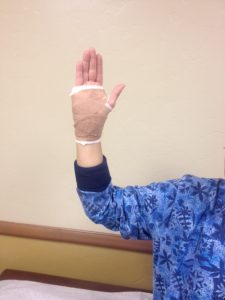
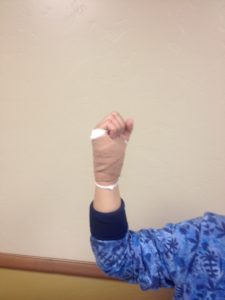
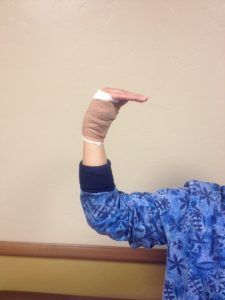
  • After your surgery, keep your hand elevated, unless specified not too.
  • If you have had shoulder surgery, elevation of your hand may be difficult. In this case, getting a squeeze ball and making a fist repetitively can help to pump the swelling away from your hand.
  • Elevate your hand above the level of your heart, especially 3-5 days after surgery.
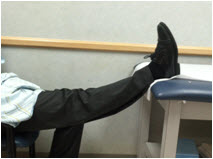
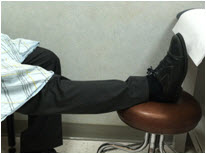
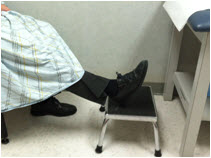
  • Below are some photos showing correct ways to elevate your hand.
  • Ice is an excellent anti-inflammatory and helps control pain and swelling. Apply ice to the surgical site as tolerable (unless specified otherwise). If the discharge information specifies not to ice, then please do not do so. This may be the case in some situations.

Positions to elevate your hand following surgery:

Exercises/Therapy

  • If you have had surgery on your shoulder and/or wrist/hand, it is important to start exercises the day of surgery by making a full fist and straightening your fingers. However, if your surgery was to repair a broken finger, or specified otherwise, follow specific instructions given to you.
  • You may be referred to a formal therapist at your follow-up appointment or subsequent appointments. Therapy is determined by your health care provider and individualized for your specific case.

Dressing/Cast and Sling

  • Do NOT remove your dressing, unless you are told to do so. This will be removed and/or changed at your first post-operative visit. Keep bandage clean and dry.
  • Do NOT get your dressing wet. Protect it with a plastic bag when you shower.
  • If your dressing is too tight, you may loosen the ace/bandage, and split the dressing down on one side; however, do NOT remove the entire dressing/splint.
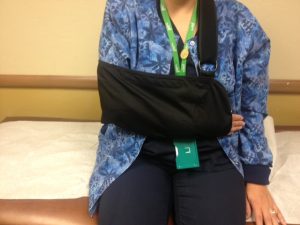
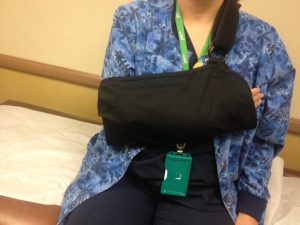
  • If you are placed in a sling for a shoulder surgery, keep arm in the sling (as pictured below). Do not actively move the operative shoulder, unless told otherwise. You may gently move your hand, wrist and elbow.
  • Seeing blood on or through your bandage occurs and should not be worrisome unless excessive and expanding. You can try to apply some pressure to the area or reinforce the dressing to prevent further bleeding. If excessive and does not stop, call your physician or seek medical attention.
  • If you dressing is off, and while your incision is healing, please refrain from applying any antibiotic cream or ointment to the incision area. Keep clean and dry. Regular antimicrobial soap and water while washing is preferred.

Correct placement of arm sling following shoulder surgery:

Long-Term Management and Expectations

  • After a traumatic injury and/or elective surgery, it is common to experience swelling for several months. Typically, the process will gradually improve over the next 12 months! Try not to get discouraged, because the swelling will most likely improve with time.
  • As time progresses after surgery, the amount of activity will be determined by your physician/health care provider.

*There are many surgeries that are performed on the upper extremity (including surgeries for rotator cuff tear, carpal tunnel syndrome, and trigger finger) with many different post-operative instructions. The information above may not always pertain to you if you were told otherwise on your discharge paperwork and/or by your physician.

Written by Joel R. Goode, MD and Lauren King, PA-C, with contributions by Liz Cakmarstitt, MA

Operation Walk in Vietnam

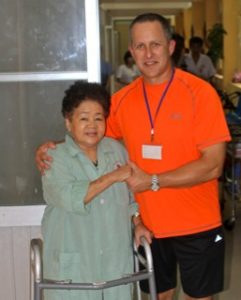
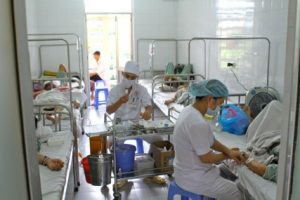
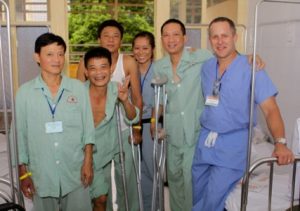
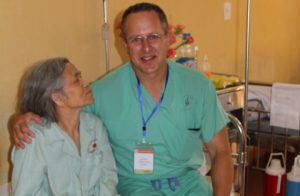
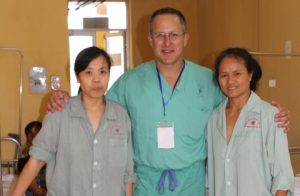
I recently volunteered to go to Hanoi, Vietnam with the non-profit medical service organization, Operation Walk. This was the first trip I took with this organization; I was the only doctor from Tucson Orthopaedic Institute and I did not know anyone from the team beforehand. I simply contacted their group in Los Angeles and asked to become a part of this trip. Operation Walk was founded in 1994 by Dr. Larry Doerr to provide people in developing countries with surgical treatments for disabling arthritis and other debilitating bone and joint conditions. Dr. Doerr’s efforts have brought over 3,000 joints to underserved countries over the past 15 years. 

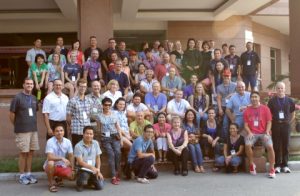
I travelled with 50 team members that consisted of six orthopaedic surgeons and four anesthesiologists, as well as scrub techs, physician assistants, nurses, physical therapists, and other volunteers. To get there, the physicians paid their own travel expenses, while the rest of the group was supported by contributions and donations made to Operation Walk.

In three-and-a-half days, the group screened countless candidates and selected patients based on the complexity of their condition given the limited supplies and options. Using donated implants from Zimmer, 52 joint replacement surgeries were performed. The other team members and I also provided education to the local physicians who will help care for the patients after we are gone.

The experience was amazing and I will do it again either next year or the following year, and for years to come, as long as they will have me!

By Russell Cohen, MD

New Minimally Invasive Partial Knee Resurfacing: Relieve Osteoarthritis Pain Using Robotic Arm Technology

Everyday I come across patients who are suffering from joint pain in their knee due to osteoarthritis. I am frequently asked about the latest treatment techniques that may offer faster recovery. One procedure that can relieve pain is a minimally invasive technique for partial knee resurfacing. Below are some frequently asked questions about this new procedure.

What is osteoarthritis?

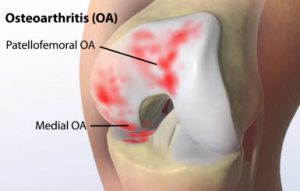
Osteoarthritis (OA), or degenerative joint disease, is characterized by the breakdown and eventual loss of joint cartilage. Cartilage is a substance that serves as the “cushion” for our joints. As the cartilage wears away, eventually the bone is exposed. Severe OA is characterized by “bone-on-bone” changes. Symptoms of OA of the knee include: 

  • Pain with activities such as standing, walking, stair climbing, or getting up from a chair
  • Start up pain or stiffness when activities are initiated from a sitting position
  • Joint stiffness after getting out of bed
  • Swelling in one or more areas of the knee
  • A grating sensation or crunching feeling in the knee during use

How do you treat osteoarthritis?

Symptoms are always treated non-surgically first, but when those solutions fail, total knee arthroplasty is an effective procedure to deal with the pain and disability associated with arthritis in the knee. Approximately 600,000 total knee replacements are performed annually in the United States. A subset of these patients (perhaps 10-30%) may be candidates for a partial knee replacement or unicompartmental replacement. In this procedure, only the affected portion of the knee is replaced leaving the rest of the intact and functioning knee joint in place.

What is the advantage of a partial knee replacement?

The advantages of this procedure, compared to a total knee replacement, are a quicker functional recovery, smaller incisions, less hospitalization and perhaps a more “natural” feel to the operated knee.

Are there any downsides?

Historically, the unicompartmental knee replacement has been a very technically challenging procedure. Small alignment errors may contribute to failure of the procedure.

What advancements have been made in this procedure?

MAKOplasty is the next evolution in unicompartmental knee replacement. In MAKOplasty, a 3-dimensional CT scan of the patient’s leg is obtained. This data is placed into the RIO – Robotic Arm Interactive Orthopedic System pre-operatively. The surgeon then uses 3-dimensional computer modeling to plan the surgery and uses the robotic arm during surgery to complete the plan with great accuracy. The MAKOplasty system also allows for intra-operative adjustments.

What have the results been?

The MAKOplasty procedure is an exciting advancement in partial knee replacement. Studies have shown that it increases the accuracy of the procedure 2-3 times compared to standard techniques. The improved precision of the surgery should lead to better patient outcomes in the short and long term.

Where is it performed?

In Tucson, the procedure is only available at Oro Valley Hospital and is performed by specially trained orthopaedic surgeons.

If you have knee pain well localized to one are of the knee, you may be a candidate. Call the Tucson Orthopaedic Institute in Oro Valley to schedule a consultation with Dr. Bowers.

By Kevin W. Bowers, MD

Anterior Hip Replacement – What Is It All About?

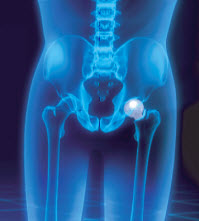
Our joint replacement surgeons are often asked about the latest developments in arthritis surgery. With the advent of minimally invasive techniques in orthopedic surgery, joint surgeons at Tucson Orthopaedic Institute (TOI) are performing hip replacement through the front (anterior) of the hip as opposed to the more traditional posterior, or backside approach. TOI physicians currently using this approach with some patients are Kevin W. Bowers, MD, and Edward P. Petrow, Jr., DO.

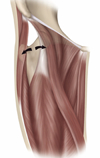
The logic behind anterior hip replacement is to try to minimize muscle damage by working through the natural intervals between muscles to gain access to the front of the hip, as opposed to detaching and repairing the muscles to gain access to the hip joint from behind. However, some questions still remain relating to the anterior approach.

Is anterior hip replacement a new technique?

No. The anterior hip approach was first described by Smith-Petersen in 1917. It was used by the French surgeon, Robert Judet, in 1947 to perform an isolated femoral head replacement. This later evolved into other French surgeons performing complete hip joint replacements through an anterior exposure in the 1960s.

Why all the interest if this technique has been in existence since the 1960s?

Early surgeons found that the visualization of the hip socket was excellent through the front of the hip; however, it was very difficult to insert a long straight metal stem down the femur through an anterior approach. If complications occurred during surgery, it was very difficult to change or extend the anterior approach to overcome difficult surgeries and provide for better visualization. Therefore, most surgeons opted to perform hip replacement through posterior, or posterior and lateral (anterolateral) exposures.

The posterior approach has become the most popular way to perform hip replacement since that time. However, the posterior approach has historically been associated with a higher dislocation rate, while the anterolateral method can leave the repaired muscle weaker and can cause a limp as compared to replacements performed through the front of the hip.

By using specialized instrumentation, newer generation hip implants, a custom operating table, and real-time intra-operative X-ray equipment, anterior hip replacement has made a resurgence. These additions have allowed the anterior approach to become easier and more reliable to perform than before.

Figure 1.0
Muscles parted for
access to hip joint.

What are the benefits of anterior hip replacement?

Since anterior total hip replacement does not require the detachment or splitting of any muscles about the hip, thus preserving muscle strength, patients report less pain as well as a quicker return of function after surgery (see Figure 1.0).

Richard Murlless, a 65-year-old Sahuarita resident, found this to be true after undergoing anterior hip replacement in February with Dr. Petrow. Murlless could bear weight and walk, using a walker, within the first week following surgery. Murlless explains that soon after surgery he had “less pain than what I was suffering before surgery.”

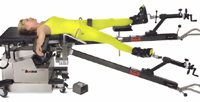
Murlless opted to wait until a new surgical table was available at the hospital to have his hip replaced because he did not want to be “incapacitated” for several months with the conventional approach. Both Dr. Petrow and Dr. Bowers, who uses this special operating table and real-time intra-operative X-rays, have the ability to position the replaced hip components more accurately and reproduce the hip’s natural anatomy (see Figure 2.0).

For example, the table is designed to allow extension of a patient’s leg downward, which gives frontal access to the hip that is not possible with conventional tables. It also allows the use of intra-operative X-ray, which gives a more accurate recreation of the patient’s leg length.

Figure 2.0
Operating table developed for anterior hip surgical technique.
 
Lastly, since the hip is reconstructed through the front without destabilizing the structures on the back of the joint, there does not appear to be any reason to place patients on routine hip precautions post-operatively, such as limited hip motion for 6-8 weeks.Murlless began his rehabilitation quickly following surgery and recovered nearly 100% of his previous range of hip motion after 4 sessions of physical therapy. He says his progress is on par with others who have received this procedure, but those who he has spoken to are impressed. Since surgery, 7 weeks have passed and he now considers himself fully recovered and pain-free.Dorothy Krieger, of Saddlebrooke, Arizona, had a similar experience in her recovery following anterior THA back in March. Krieger felt her left hip was “unreliable” and eventually she was unable to walk because of constant pain. When discussing with friends, they were confident in Dr. Bowers’ skills and gave encouraging testimonials for this procedure. Krieger said those comments were the “driving force behind my decision to have surgery.”

The 62-year-old underwent anterior total hip replacement on March 2 and was able to walk without an assistive device after one week; then she completed physical therapy 4 weeks after that. Krieger says she is happy with the result and is able to enjoy activities again, like hiking.

What hip approach is recommended?

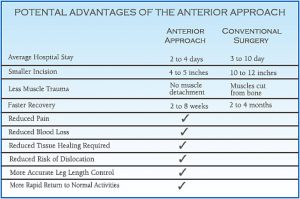
Since every hip exposure has specific pros and cons (see Figure 3.0), it is recommended to discuss your options with your surgeon. It is the job of the surgeon to match each individual patient’s need to the specific approach. Patients and surgeons want to minimize pain and speed recovery, yet the main objective of hip replacement is to provide patients with a well done operation, with good component position, and the expectation that it will last for the next 20 years.

Figure 3.0  Advantages associated with the anterior approach compared to conventional surgery.

Post-Operative Foot & Ankle Helpful Hints

You just had surgery on either your foot or ankle, or possibly both. These are some helpful hints from Tucson Orthopaedic Institute’s foot doctors to best manage your pain, swelling and discomfort after the procedure. Any procedure is a big procedure, so please do all that you can to take the best care of yourself after the surgery to ensure the best possible outcome.

1. Pain Management

  • Begin taking prescription pain medications given to you the same day of your surgery, BEFORE you go to bed.
  • If you had a nerve block performed, there is a good chance that you will feel fine before going to bed. However, there is also a good chance the nerve block will wear off while sleeping, so start taking the prescription medications before you go to bed.
  • The pain will be better controlled if you start to treat it (i.e. taking prescription medications) before it begins, instead of trying to manage the pain after it has started.

2. Swelling Management

  • Swelling after surgery can significantly contribute to post-operative pain, especially with foot and ankle surgery.
  • By elevating the foot and ankle as often as you can for the first several weeks after surgery, the swelling can be greatly reduced, and the painful symptoms can be improved, significantly.
  • When elevating, elevate the affected foot and ankle above the level of the hip:


Ideal (foot/ankle higher than hip)

Not Okay (foot/ankle level with hip)   Not Okay (foot/ankle lower than hip)

3. Ice/Ice Packs/Etc.

  • Ice is also a good adjunct to help with pain and swelling.
  • If the discharge information you received from the surgery center mentions it is okay for you to ice the area of your surgery, then do so for 15 minutes every 1 to 2 hours. Frozen bags of vegetables also work well for this.
  • If the discharge information does not say it is okay for you to ice, then please do not do so. This may be the case if you had surgery on your toes. In this case, only keep your foot elevated as mentioned above, and avoid placing any ice/ice packs/etc. onto the area.

4. Nausea

  • You may have also been given a prescription medication for nausea (i.e. phenergan 12.5 mg)
  • Nausea is common after surgery. Nausea can also occur with the prescription pain medications you were prescribed, as many of them have a tendency to slow down how quickly things move through the stomach and intestines.
  • Many patients may not need this medication, but if you are prone to nausea, it is also a good idea to take this prescription medication the night of your surgery, before you go to bed.

5. Long-Term Symptom Management and Expectations

  • It is very common for the toes/foot/ankle to remain somewhat swollen for several months after surgery. Typically, this process will gradually improve over the course of an entire 12 months! So, if you do continue to have some swelling even 3 to 6 months after your surgery, there is still a good 6 to 9 months of time where this will improve. Don’t be discouraged. Instead, continue to keep the foot elevated as mentioned in #2, above, as often as you can.
  • As you make progress from your day of surgery, the amount of weight bearing you will be allowed to do will change. As this weight bearing increases, there will very likely be an increase in the amount of swelling and discomfort you have with the surgical side. To best control the discomfort and swelling, do any of the following, or a combination of the following:
    1. Place less weight on the surgical side.
    2. Spend less time, over the course of the day, placing weight on the surgical side.
    3. When you are not weight bearing, continue to keep the extremity elevated as mentioned above.
    4. Apply ice to the affected area as mentioned above.

**Important Note: DO NOT initiate weight bearing until you have been instructed to do so.

To learn more about this article, or to make an appointment with a Tucson Orthopaedic doctor or specialist, please contact the East office.

Written by Eric P. Anctil, MD and Matthew W. Byers, PA-C

First Injury: TOI Patient of the Month – May 2015

Tucson Ortho is proud to present the May 2015 Patient of the Month award to Koby Kresse!

Koby Kresse suffered a pretty bad injury to his hand and was taken to the ER. It was his first injury, and he was understandably nervous and anxious about what was going to happen. That is where he met Dr. Christopher Stevens. Dr. Stevens said, “Koby is an awesome patient. He had a pretty bad injury, but he has been able to persevere, and always with a smile”

The Kresse family expressed their gratitude for the professionalism, compassion, and skill they received from Dr. Stevens, his medical assistant, Jen Martinez, and cast tech, Mike, throughout the whole process. The Kresse family says, “From the time we first met Dr. Stevens in the ER, he was able to calm [Koby] down and explain the procedure in a very matter-of-fact way to where Koby could understand him. From there, it has been a smooth road to recovery. Thank you for making Koby’s distressing situation a pleasant one! Keep up the great work!”

Dr. Stevens and his staff nominated Koby because “He hasn’t let his cast get in the way of him practicing his trumpet or playing video games. In fact, he says that playing video games is actually helping to rehab his hand 🙂 Great kid with a great attitude!”

Congratulations Koby! Keep playing!

Out with the Old and In with the New! TOI Patient of the Month – April 2015

Tucson Ortho is proud to present the April 2015 Patient of the Month award to Sandra Lawrence!

Sandra Lawrence was nominated by Myriah Stark at the East Office physical therapy location. Here’s what Myriah had to say: “Mrs. Lawrence underwent bilateral knee arthroplasty. She has maintained an upbeat attitude despite undergoing such drastic procedures at the same time and is always smiling throughout every step of the way on the road to recovery. She’s always had a positive outlook and approached each of her PT sessions determined to get back to what she loves. Mrs. Lawrence is a trail guide and her goal was to get back out there on the trails with her groups. She also enjoys staying active by cycling and playing with her grandkids.”

Said Sandra: “How can I ever thank Dr. Housman and the staff at TMC and TOI for the incredible professional and personable care that I received throughout my journey of bi-lateral total knee replacement? The nurses caring for me after surgery and the staff at TOI made my recovery progress at a pace that surprised us all. Angela Bornhouser at TOI was the best cheerleader ever. If physical therapy isn’t supposed to make you laugh, she put that theory to rest very quickly!

From the initial phone call arranging the first therapy appointment answered by Myriah, the original cheerleader in the front reception area, everyone exuded positive energy and enthusiasm. Being welcomed at the front desk was like being welcomed at a family reunion! My husband, retired AF, our son, a firefighter for Drexel Heights (his wife and our new grandson born Sept. 20), and my daughter, a PA, and myself all owe a debt of gratitude to the people that helped me through this experience. My new knees have allowed me to get back to my hiking, biking, and volunteering as a Sabino Canyon Volunteer Naturalist. Out with the old and in with the new!

Congratulations Sandra! We wish you the very best in continuing to improve!

March 2015 Patient of the Month – Mary Mahan

Tucson Ortho is proud to present the March 2015 Patient of the Month award to Mary Mahan!

Over the last 10 years, Mary has been going to physical therapy from a variety of places to manage pain for her back. Recently, she began PT at Tucson Orthopaedic Institute with physical therapist, Kristin Sartore and PT tech, Raul Durazo.

From the beginning, Kristin expressed the goals she hoped for Mary to accomplish and proceeded to work closely with Mary to get her pain down to a manageable and comfortable level. Mary said, “Kristin and Raul were right beside me during all the exercises. If I was unable to do one, it was modified to suit my level.”

Kristin and Raul nominated Mary for Patient of the Month for her hard work and positivity. Kristin says, “Mary has worked through pain and made a commitment to improve her strength and mobility.”
Within the first 2 weeks of therapy, Mary’s husband told her ‘You’re walking better!” Mary began to feel more agile and fluid. Kristin always explained what each exercise was designed to do in terms Mary could understand. Mary says, “I found that once I understood the purpose of the exercises, I am far more likely to do them at home.”

Mary credits Raul for accomplishing what other people have not been able to do…getting her to go to the gym! She said, “Raul’s concern with my well-being made me feel I was indeed very well taken care of…I personally have not experienced that level of concern and care at other physical therapists.”

Mary ends with saying, “I am feeling better than I did when I started physical therapy. I hope to continue with them. Kristin and Raul’s experience, knowledge and attitude are impressive and have helped me a great deal.”

Congratulations Mary! We wish you the very best in continuing to improve!

February 2015 Patient of the Month – Deborah Mack

Tucson Ortho is proud to present the February 2015 Patient of the Month award to Deborah Mack!

Joleen Cox, nurse practitioner to Steven Shapiro, MD, nominated Deborah because she is such a “positive and focused individual.” Following an injury sustained in an ATV accident, Deborah’s only concern was for the passenger, who walked away unharmed from the accident. Joleen said, “Deborah has always shown gratitude, not only for the outcome of the accident, but also the care she received.”

It wasn’t always easy, but the care Deborah received helped her through it. Deborah said, “What an amazingly competent and confident team these two are! Every step in the process was done with such sureness, I never once felt apprehensive about my care. I was fortunate enough to have a team with good humor, which goes a long way during stressful times! It was a pretty significant and scary event in my life that was made a whole lot easier because of these two. For this, I (and my husband) will always be grateful! Thank you!”

Both Joleen and Dr. Shapiro are extremely pleased to have made a difference in Deborah’s recovery and wish her well!

January 2015 Patient of the Month – Judy Forester

Judy Forester was nominated by Kim McNurlin, Physician Assistant for Dr. John Maltry

Judy has had both knees replaced. Her left knee was done 12/13. She recently won a ballroom dance competition 10 months out from her knee replacement. She scored 97/100 in the Tango. Woo hoo to Judy! She worked hard in physical therapy and proves there is life after knee replacement.

When asked about her experience Ms. Forester said, “Dr. Maltry, Kim, Janice and the staff at Tucson Ortho, thank you for answering all my questions, reassuring me and encouraging me, and putting up with my whining. You have given me two new knees that work great. I just won my first trophy for dancing a tango in a competition, receiving a score of 97 out of a 100, with my new knees. I have danced for about 5 years. My love of dancing gave me the motivation to keep working really hard on my rehab. I returned to dance 2 months after each knee replacement, and my strength and confidence has soared. I also have been wearing a Fitbit to monitor my activity level. This month I received my Great Barrier Reef award for having walked 1600 miles, the equivalent of the length of the world’s largest reef. I’m happy. Thanks!”

The staff at Tucson Orthopaedic Institute are proud to have such a delightful and determined patient of the month.  Judy’s determination to return to the dance floor has been an inspiration to everybody here at TOI.  We are excited to hear about all of the awards that Judy has yet to win!

Surgeons vs. Chefs 2014

Surgeons from Tucson Orthopaedic Institute joined Tucson Medical Center and Embassy Suites Tucson – Paloma Village for their 5th annual ‘Surgeons vs. Chefs’ Pumpkin Carving Contest to raise money for TMC for Children, Children’s Miracle Network.

Surgeons and chefs from local restaurants carved pumpkins in front of 200 attendees.

The night’s proceeds totaled over $12,000 from raffles and pumpkin auctions which is the most amount raised in the event’s history!

Attendees also voted for their favorite pumpkins in the following categories: Best Overall Pumpkin, Best Overall Surgeon, Best Overall Chef, Most Creative Pumpkin, Ugliest Pumpkin, and Scariest Pumpkin.

Check out how all the participating physicians carved their pumpkins and see who won each category.

Surgeons vs. Chefs 2014 - Braunstein

  Surgeons vs. Chefs 2014 - Braunstein (pumpkin)

  A. Mark Braunstein, MD Cookie Monster
 Surgeons vs. Chefs 2014 - Curtin
  Stephen L. Curtin, MD Too Much Candy!
 Surgeons vs. Chefs 2014 - Goode Surgeons vs. Chefs 2014 - Goode (pumpkin)
  Joel R. Goode, MD Warty
Surgeons vs. Chefs 2014 - Hanks Surgeons vs. Chefs 2014 - Hanks (pumpkin)
Stephen E. Hanks, MD Mummy
Surgeons vs. Chefs 2014 - Stevens Surgeon vs. Chef 2014 - Stevens (pumpkin)
  Chris G. Stevens, MD U of A
Surgeons vs. Chefs 2014 - Wild Surgeon vs. Chef 2014 - Wild (pumpkin)
 John J. Wild, Jr., MD


The winning pumpkins were voted for by attendees. The six winners by category are:

Best Overall Surgeon: Chris Stevens, MD, Orthopaedic Surgeon
Surgeons vs. Chefs 2014 - Stevens (pumpkin)

Most Creative: Alex and Ezra, Embassy Suites
Surgeons vs. Chefs 2014   Most Creative

Best Overall Chef: Ken Harvey, Loews Ventana Canyon
Surgeons vs. Chefs 2014   Best Chef

Ugliest: Stephen Curtin, MD, Orthopaedic Surgeon

Scariest: Alber Hal, Acacia Fine Foods and Cocktails

Best Overall Pumpkin: Jan Osipowicz, Hilton El Conquistador

Caring for the Underprivileged in Vietnam

Giving Back

DR. RUSSELL COHEN VOLUNTEERS IN VIETNAM TO PROVIDE MEDICAL CARE TO THE UNDERPRIVILEGED

When a young woman in a small Vietnamese village suffered an injury as a child, the resulting healing caused her to walk with pain and a noticeable limp. Sadly, this made it very difficult for her to lead a normal life, which included her finding a potential spouse.

Like so many men and women in impoverished parts of the world, this young woman did not have access to the kind of specialized medical care that is often taken for granted in more industrialized parts of the world. Luckily, there are health care professionals who are trying to change that, including Tucson Orthopaedic Institute’s Dr. Russell Cohen, who treated this young woman while volunteering in Vietnam in October 2014.

Dr. Cohen is a member of a private, not-for-profit, volunteer medical services organization called Operation Walk. Founded by Dr. Lawrence Dorr in 1995, Operation Walk provides surgical treatment to patients with debilitating joint conditions in underdeveloped, or developing, parts of the world who otherwise would not have access to such care.

This most recent trip is the second time Dr. Cohen has volunteered his time in Vietnam and the second trip he has made with Operation Walk. Dr. Cohen volunteered in Haiti to provide care after the earthquake and he also volunteers with other TOI surgeons to serve in Ecuador.

When asked why he volunteers his time Dr. Cohen said, “When the people I treat look me in the eye and say thank you it is an amazing feeling. To know I was able to play a part in making somebody’s life better is my reward.”

Working with 50 support staff and 5 other surgeons, Dr. Cohen and the Operation Walk team were able to replace an astonishing 59 joints in just 3 ½ days! While doing surgeries, Operation Walk providers also educated and trained local physicians on new joint replacement techniques, allowing them to offer a higher level of care for their patients.

The young Vietnamese woman that Dr. Cohen treated on this trip was walking normally just one day after her surgery. Dr. Cohen was excited about her recovery and the opportunity she now has to live a full, and normal, life.


If you would like to learn more about Operation Walk please visit their website at https://www.operationwalk.org.

Exercising Caution: Too Much, Too Fast, Too Soon

If someday you find yourself sitting around the house with your leg in the air, the limb wrapped in ice and towels – looking like a corn dog – you may need to see a surgeon. William Prickett, MD, an orthopedic consultant for the University of Arizona athletics department (and sports medicine surgeon at Tucson Orthopaedic Institute), has seen it all.

“The most common thing that leads to injury is the proverbial ‘terrible too’s’ – they do too much, too fast, and they do it too soon.” The CDC reports that in 2011, unintentional overexertion was the second-leading cause of non-fatal injuries in people aged 25-55. “I tend to see lots of shoulder problems from overuse injuries related to racquet sports and golfing.”

“In younger patients, in the shoulder, there tends to be more surgery that’s related to instability and it involves reconstructing and repairing ligaments. More common in the weekend warrior or older athlete is rotator cuff work.” 

If, like an automobile manufacturer, Dr. Prickett could recall one body part, it would probably be the shoulder.

“The shoulder is very much dependent on muscles and soft tissues for stability. The range of motion that we have puts that joint at significant risk. The amount of force that we create just throwing a baseball is excessive and sometimes more than I think it was engineered to do.”

Overuse injuries can be prevented by cross training and using good form and technique, according to Dr. Prickett. Overuse injuries are different than acute injuries. “The acute traumatic injuries often are just unlucky,” he says. “Somebody gets injured on a trampoline or playing basketball. They may have been playing for years and for whatever reason they were unlucky that day.”

So what are the signs that you should see a doctor?

“If someone is having difficulty with weight bearing, if their extremity looks different, there’s numbness or tingling, and severe pain that’s not improving – all of those things are red flags saying this is not just muscle soreness.”

Dr. Prickett has some new tools he can use to repair injured joints.

“There have been advances in things such as growth factors and platelets – using your own blood to treat your injuries.”

This is called platelet-rich plasma. “We use a component of the patient’s own blood that is injected back into the site of injury, with the goal of allowing the body to heal itself.”

He also can use tissue engineering, replacing cartilage defects, most commonly in the knee. “There are techniques that allow you to remove small pieces of cartilage, expand them in the lab and then put them back into the defect,” he says.

“The most common thing that we see done now is a rotator cuff repair, which is a shoulder procedure to repair torn tendons.” Historically this was done where the muscle was divided and then the tendon was repaired back to the bone, but now with improvements in arthroscopic techniques it can be done without cutting the muscle.

“This is due to advances in the ability to visualize structures and new instrumentation and fixation techniques,” Dr. Prickett says. “Not only can we see better, but we can manipulate tissue better, and we’ve had advances in the ability to fix tendon to bone.”

Tendons connect muscle to bone, which are different than ligaments that connect bone to bone. “In the shoulder, most injuries occur where the tendon attaches to the bone. You can see weakening of the tendon and tearing of the tendon.” This is where Dr. Prickett gets down to some serious suturing.

“A repair of the tendon is hooking the tendon back into the bone. We have anchors that have suture attached to them, so we put an anchor in the bone. Suture then gets wrapped around the torn tendon and you tie it back together. These type of tendon injuries don’t heal on their own, so you need to repair it,” he says.

Once repaired, the patient may feel a little too good. “One of the struggles we have as physicians with any type of reconstructive procedure is that there are times when they feel great, but it’s not in the patient’s best interest to high load that joint with exercise.”

One way to try and stay out of his office is to take care of your feet.

“There’s been a big trend in barefoot running, but if you can keep your feet covered, I don’t understand why you wouldn’t,” he says. “The key thing is comfort. I see a lot of patients who try new things, new trends. Don’t try to make your foot or your gait fit into something that’s not comfortable for you, because that’s where we see a lot of these overuse injuries. To me it’s a little like trying to put a square peg in a round hole. If it doesn’t feel right, if it hurts, stop.”

He can’t say if he has a favorite procedure he performs. “All of them are interesting and enjoyable on my part, because you get people back to doing things that they want to do. I love working on athletes’ knees and reconstructing their ACL, because it’s exciting to see athletes be able to get back to participate in what they enjoy doing.” He concludes, “It’s just as exciting to see a soccer player get back on the field as it is to see a grandparent feeling comfortable picking up their grandchild.”

For more information about Dr. Prickett, or to make an appointment, please contact the Northwest office.

Excerpt from the September 2014 issue of Tucson Lifestyle Magazine

Written by Owen Rose

Photo credit: Kris Hanning

View the article in its entirety

Deserving Southern Arizona Patients Receive Free, Life-Changing Surgery

Tucson man is one of 10 patients who will receive total joint replacement surgery as part of a nationwide program

TUCSON, Ariz. – On Friday, Dec. 6, 10 patients from around Southern Arizona will receive the joint replacement surgery they so desperately need but are unable to afford. It’s all made possible through a partnership between Tucson Medical Center and Operation Walk, a private, not-for-profit, volunteer medical services organization that provides free surgical treatment for patients who do not have access to life-improving care for debilitating bone and joint conditions.

Four of Tucson Orthopaedic Institute’s hip and knee surgeons, Russell Cohen, MD, Lawrence Housman, MD, Andrew Mahoney, MD, and John Wild, Jr., MD, will perform joint replacement surgeries on qualifying patients inside TMC’s new Orthopaedic and Surgical Tower. “It’s so gratifying to be able to help these people get back to doing what they love, without being in pain. Some of these patients – through no fault of their own – had their lives turned upside down, and I am happy to be able to help them in this way. It’s the right thing to do,” said Dr. Housman. 

The patients meet medical guidelines, as well as financial poverty guidelines.

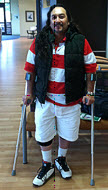
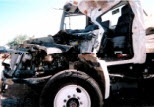
One of those patients is 49-year-old Carlos Lopez, a father of four who suffered an on-the-job injury back in August of 2009. Lopez, a food service truck driver, was on Interstate 10 headed to Texas when a car slammed into his truck causing it to roll. “I felt like I was in a tornado,” he said. Lopez’s legs were pinned beneath the steering wheel, and he was trapped for about half an hour until emergency medical services arrived and cut him out of the wreckage.

Lopez underwent therapy, but when he returned to work a month later, the pain continued. He endured it for years until it forced him to quit in January 2012. “The pain was unbearable. I would fall off the ramp at work and injure myself. I was physically not able to do my job anymore. Since my case had been closed, I was not eligible to receive any more help under worker’s comp,” said Lopez.

“My legs are uneven because of the problem with my right hip, and my left leg being forced to compensate. I live with constant, excruciating pain between my knee and hip. I’ve developed a hernia from my injuries, as well as a back problem.” Lopez now walks with double canes for support.

Lopez received word a few weeks ago that he had been selected for the program. “I felt so overwhelmed when I received that phone call,” he said. “I know the recovery process will be challenging, but I’m ready for it. I feel so blessed and will do whatever it takes to get back on my feet without my double canes.”

As part of the program, the surgeons from Tucson Orthopaedic Institute, and anesthesiologists from Old Pueblo Anesthesia, will donate their time and expertise. Hospitalists will be volunteering time to care for patients after their surgery. Tucson Medical Center is donating the space and necessary prescription medications. Stryker Orthopedics is providing the joints, and Gentiva will provide free home health services to assist these patients during their recovery.

These patients will have top-notch care provided to them at no cost from the minute they show up for surgery, all the way through their recovery process. This program will give these patients the ability to drastically improve their quality of life.

As released by Tucson Medical Center on December 4, 2013

Tucson Ortho Doctors Return to Ecuador for Second Year to Help Patients

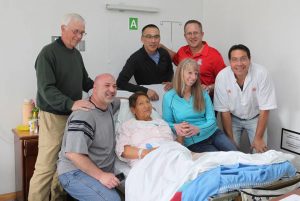
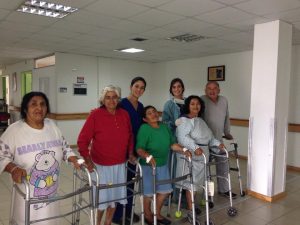
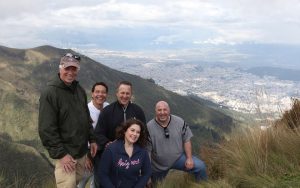
This November, Tucson Orthopaedic Institute surgeon, Luis Piedrahita, MD, returned to Ecuador with a team of volunteers to provide orthopaedic treatment to underprivileged patients. The humanitarian effort was set up by Dr. Piedrahita; this was the second year he organized the trip to Quito. He invited some of his Tucson Ortho colleagues, including Russell Cohen, MD and Murray Robertson, MD. Nurse practitioner, Melanie Daniel; TMC surgery scrubs, Jim Clowes and Bianca Hernandes; Stryker representative, Jordan Smith; OPA anesthesiologist, Jose Samson; and volunteersMarianna Caballero and Mike Balthazar also made the trip to volunteer their expertise. 

At Hospital Padre Carollo, the team screened about 25 patients for knee replacements and performed 15 total knee replacements over the course of 3 operating days. Stryker’s local branch manager, Tom D’Amore and representative, Jordan Smith, once again donated the implants and Tucson Medical Center donated much of the medical supplies used for surgery.

Dr. Cohen joined the group this year to help with the mission and to support Dr. Piedrahita’s worthy cause. The team laughed and also cried, and enjoyed each other’s company. The experience left them all feeling enriched and thankful for the chance to give back.

Following the trip, Dr. Cohen said, “The trip was incredible and the team was as efficient a team as I have ever worked with, each doing their part to support the greater cause.” He felt truly honored to take care of those in great need, who otherwise would never receive the assistance they needed.

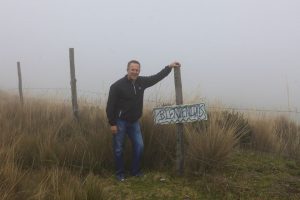
Below are some photos from the team’s time in Ecuador, which were shared by Dr. Cohen:


Stay Active with Safe Sports Practices and Proper Medical Care

We all know that regular exercise is an essential part of a healthy lifestyle. Exercise makes you look and feel good, promoting greater muscle strength, endurance, flexibility, weight control, and cardiovascular fitness.

However, too much of a good thing can lead to an injury that can sideline you from the activities you enjoy. You don’t have to be a competitive athlete to have a sports injury, which is simply an injury that occurs during sports or exercise. A sports injury can happen to anyone at any age; although they are more common as we grow older, and more often occur among women, due to differences in body structure. 
Sports injuries can involve any part of the body, but generally refer to an injury that involves the muscles, bones or a soft tissue, such as cartilage in the knee. These injuries usually occur from improper training or conditioning, insufficient warm-up and stretching before an activity, using the wrong equipment, or doing too much, too fast.

Sports injuries fall into two primary categories: acute and chronic. An acute injury involves a specific event that causes trauma, such as a fall or a collision. A chronic injury occurs with repetitive motions and excessive cumulative strain on the musculoskeletal system.

Prompt treatment of both acute and chronic injuries is important in avoiding further injury. Injuries left untreated or not allowed to fully heal can lead to recurrent injuries, or develop into more serious long-term problems, such as osteoarthritis.

It’s important to distinguish muscle soreness from injury in deciding whether to seek medical help. The traditional credo of rest, ice, compression and elevation is effective for home care. However, if you’ve tried these steps after injury and pain and swelling do not improve, contact your doctor. Signs that your injury needs medical attention include worsening or persistent pain, swelling, numbness or abnormal appearance.

If you suspect you’ve sustained a sports injury, a good place to start is with your primary care provider. He or she may consult with a sports medicine specialist to facilitate with diagnosis and treatment. Depending on your injury, you may receive care from an orthopedic doctor or a rehabilitative therapist. An orthopedic doctor specializes in the diagnosis and treatment of the musculoskeletal system; a physical therapist works in partnership with your sports medicine doctor to rehabilitate your injury and return you to athletics safely.

Treating a sports injury is a gradual process. Improving range of motion as pain resolves is the first step to help speed healing. Rehabilitation is based on a progression of activities to help build flexibility, endurance, and strength, as well as proper balance and body mechanics. In addition to exercise, your therapy may include various modalities including but not limited to: electrostimulation (mild electrical current to reduce pain and swelling and increase muscle strength), cryotherapy (ice packs to limit blood flow to injured tissues), heat, ultrasound and massage.

Arthroscopic surgery, an operation that employs small incisions to diagnose and fix joint abnormalities, has greatly enhanced physicians’ ability to repair athletic injuries without invasive surgery, resulting in less trauma and downtime for the patient. Other new advances being studied include tissue engineering, in which a patient’s own healthy cartilage or cells are transplanted to an injured area to speed healing.

Benefits of rehabilitative therapy include restoration of function, less pain, improved range of motion, a more timely and safe return to sports, and recreational activities. Other benefits include an improved a sense of wellbeing, cardiovascular fitness, strength, flexibility, balance, and muscle coordination.

Play It Safe

Practicing smart sports and exercise habits can prevent an injury on the front end. The National Institute of Arthritis and Musculoskeletal and Skin Diseases recommends the following techniques to avoid injury:

  • When doing knee bends, don’t bend your knees more than halfway.
  • Don’t twist your knees when you stretch; keep your feet flat.
  • When jumping, land with your knees bent.
  • Do warm-up exercises before playing any sport.
  • Always stretch before you play or exercise.
  • Cool down after hard sports or workouts.
  • Wear shoes that fit properly, are stable and absorb shock.
  • Exercise on the soft surfaces; don’t run on asphalt or concrete.
  • Run on flat surfaces.
  • Don’t be a weekend warrior, i.e., engaging in a week’s worth of activity in a day or two.
  • Learn to do your sport right. Use proper form to reduce your risk of overuse injuries.
  • Use the appropriate safety gear for the sport you are playing.
  • Build up your exercise level gradually. Know your body’s limits.

Sports Injuries

Part of treating a sports injury is being able to explain symptoms to your doctor. Here is a list of the most common types of sports injuries (from the National Institute of Arthritis and Musculoskeletal and Skin Diseases)

Sprain: A stretch of tear of a ligament, the band of connective tissues that joins the end of one bone with another

Symptoms: Tenderness or pain, bruising, swelling, inability to move a limb or joint, instability

Strain: A twist, pull or tear to a muscle or tendon, which is tissue that connects muscle to bone

Symptoms: Pain, muscle spasm and loss of strength

Dislocated joint: When two bones that come together to form a joint become separated, through impact sports, excessive stretching or falling

Symptoms: Severe pain, joint is visibly altered and moves unnaturally, or cannot be bent or straightened properly

Fracture: A break in the bone that can occur from either a quick, one-time injury (acute fracture) or from repeated stress to the bone over time (stress fracture)

Symptoms: Pain at the site and inability to bear weight (acute) or pain at the site that worsens with weight-bearing activity (stress)

Article written by William Prickett, MD, Tucson Orthopaedic Institute Sports Medicine Surgeon

Published on TusconLocalMedia.com, Wednesday, March 13, 2013

Ankle Replacement a Viable Option for Injuries

SIERRA VISTA – Three and a half years ago, Hereford-based handyman Michael Hill was in his backyard, working on his travel trailer, when he took a spill off of a six-foot ladder. “It wasn’t a far fall, but I fell wrong,” Hill said in January. That short fall would result in a fractured tibia, or the shin bone, just where it meets the foot and the ankle. “I just sheared a piece right off,” he said.

After a trip to the Sierra Vista Regional Health Center and two metal plates and 17 screws later, Hill thought he was on the road to recovery, but for months he was plagued by constant, sharp pain. The calcification resulting from the break was harder than the bone itself, and any movement was wearing out the cartilage in the joint. “I was in constant pain,” he said.

Determined to continue working, for a while, Hill simply grit his teeth and got back to taking jobs around the Sierra Vista area. “I do handyman work, so it’s constant walking,” he said. “Every time you got up to do something, there was a constant grinding” of the ankle. Some days, the pain was so bad, Hill would have to take the day off. On the worst days, he thought long and hard about even getting out of bed. “The pain would get to be so much, you’d quit early, or call and cancel a job because you just couldn’t get up,” he said.

About nine months after his initial surgery, Hill elected to go back under the knife in the hopes that removing the metal plates would offer him some relief, to little affect. Soon, more and more of his free time was spent on the Internet, researching injuries like his and looking for any possible solution beyond an ankle fusion, what he had been told was the only surgery local doctors would perform.

After three months of reading medical websites, visiting online forums and speaking with others who have experienced similar injuries, Hill knew that a fusion, which would dull much of the pain but result in very limited mobility, was not an option. “Ankle fusion was totally out of the question for me. At the time, I was 46. You’re too active at that age,” he said.

Eventually, his search led him to the website of Wright Medical Technology’s IN-BONE total ankle replacement, a prothesis that is implanted into the tibia in segments to form a long stem, requiring a smaller piece of the bone to be removed during surgery, and therefore retain much of its original strength.

The surgery entails the use of a combination of a specialized brace to steady the foot, allowing for more accurate x-rays and implantation of the prosthesis. “That’s how they get a proper alignment,” Hill said.

After learning as much as he could about the procedure, Hill set out to find a surgeon, and soon ended up in the office of Dr. Geoffrey Landis, a fellowship-trained foot and ankle orthopaedic surgeon with the Tucson Orthopaedic Institute.

“In Michael’s case, his options were really an ankle fusion versus an ankle replacement,” Landis said. “He was well aware of the options and the subsequent results of those options.” Landis added, “Thankfully, he worked very hard throughout his therapy to maintain motion in his ankle,” making him an even more appropriate candidate for ankle replacement as opposed to ankle fusion.

Over the last five to 10 years, ankle replacement surgery has progressed enough that it has become a more viable option on the scale of the more commonly seen hip replacement. “We now look at ankle replacement as a way to give people a more functional return to life along with pain relief,” Landis said.

In April of 2011, after months of living in debilitating pain and nearly two years after the initial injury, Hill went in for the ankle replacement surgery in Tucson. After a successful surgery with “little to no complications to speak of,” Landis said Hill’s subsequent rehabilitation and recovery have been a model success. “Here I am two years later and it’s the best move of my life,” said Hill, who is pain-free with 90 to 95 percent of his original mobility. “I can’t run, but that’s fine. I don’t plan on doing much of that anyway.”

Following 10 months of physical therapy sessions twice a week, his productivity is back to near the original level as well. “It’s easier to get around and do everything,” he said. “I’ve never broken a bone in my life until I got older. I don’t have anything to compare it to. All I know is I’m a hell of a lot happier.”

These types of ankle replacement surgeries are becoming more common, Landis said. He, himself, will perform about 15 to 20 of them every year.

Hill said he wanted to share his story because, before his injury and subsequent research, he had heard very little in the way of ankle replacement surgery. “Knee and hip replacement surgeries are so widely publicized, but you never hear about this,” he said. “I thought if word got out, more people could benefit.”

Written by Derek Jordan

As published in the Sierra Vista Herald, January 20, 2013

Helping Underprivileged Patients in Ecuador

I recently returned from a trip to Quito, Ecuador, along with staff from Tucson Orthopaedic Institute and other personnel, where we provided total knee replacements to patients with limited access to orthopaedic treatment. The group was created by Luis Piedrahita, MD, who has been involved with medical missions for 12 years and often participates with a similar group one or more times a year.

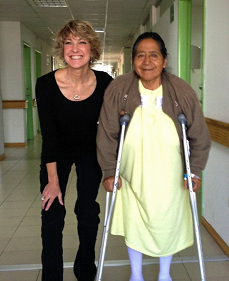
Lori Bryant, PT smiles with a patient

This trip was the first that Dr. Piedrahita coordinated on his own and he invited many colleagues from Tucson Orthopaedic Institute, including orthopaedic surgeon, Edward Petrow, Jr., DO, Laura Zimmerman, NP, and myself, Lori Bryant, PT. Zach Nandin, surgery technician at St. Mary’s Hospital, Sarah Gude, medical student, Jamison Trevino and Jordan Smith, from Stryker, also made the trip.

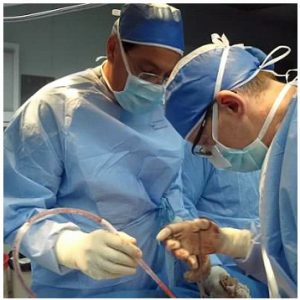
Luis Piedrahita, MD and Edward Petrow, DO performing surgery in Ecuador

Following a selection process, the team provided ten patients with knee replacements. All of the surgeries were performed in an operating room at Hospital Padre José Carollo. Stryker donated all of the implants, Tucson Medical Center donated much of the medical supplies, and OneStop Affordable Home Medical Equipment, a program of Jewish Family & Children Services of Southern Arizona, supplied all of the crutches.

Although the surgical conditions were very primitive and we had to improvise with limited supplies, the outcomes were extremely rewarding. The patients were incredibly grateful, breaking out in spontaneous applause when we arrived, and crying in gratitude after their surgeries for giving them the opportunity to walk once again.

 All of us that had the opportunity to go on this trip were given a chance to see what gratitude really looks like. These patients had so very little…no ice in the hospital, minimal pain control, and only one of the patients had his own cane.

Dr. Piedrahita hopes to repeat this trip on an annual basis, involving more people and providing a greater number of surgeries to those less fortunate living in our southern hemisphere.

I am honored and proud to work alongside my colleagues who donated their time and expertise to this extraordinary venture, and I encourage any of you who might be interested in visiting Ecuador to mark your calendars for the first week of November 2013. Hasta la vista!

Written by Lori Bryant, PT

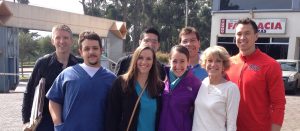
Front: Zach Nandin, Laura Zimmerman, NP, Sarah Gude, Lori Bryant, PT
Back: Edward Petrow, DO, Jamison Trevino, Luis Piedrahita, MD, Jordan Smith

Tucson Ortho Surgeon Offers Help to Local Patients in Need

Russell Cohen, MD, Tucson Orthopaedic Institute hip and knee surgeon, developed a program to provide free total joint replacement surgeries to local underserved patients with debilitating hip or knee arthritis.

This is the first program of its kind in Tucson and the idea came to Dr. Cohen because he has done similar programs in Vietnam and Haiti, with Operation Walk – a non-profit organization that sends volunteer surgeons to developing countries to perform joint replacements.

The first recipients of this program will take place September 29, 2012 – there will be six surgeries performed by Dr. Cohen, including two hip replacements and four knee replacements, and one of those will be performed by both Dr. Cohen and fellow Tucson Orthopaedic Institute surgeon, John Wild, Jr., MD.

1 3 4 5 6

Search

+